Two Massachusetts men were charged in a $7 million Supplemental Nutrition Assistance Program (SNAP) benefits trafficking case, the Department of Justice (DOJ) announced.
The DOJ on Wednesday identified the men as 74-year-old Antonio Bonheur, of Mattapan, and 21-year-old Saul Alisme, of Hyde Park.
Bonheur and Alisme, who were each charged with one count of food stamp fraud, also allegedly sold donated food that was meant for the nonprofit organization Feed My Starving Children.
Federal prosecutors alleged that Bonheur and Alisme fraudulently obtained millions of dollars’ worth of SNAP benefits through two small bodegas they operated in Boston, including Jesula Variety Store and Saul Mache Mixe Store.
“According to the charging documents, despite their limited size, inventory and food offerings, both stores allegedly exhibited extraordinarily high SNAP redemption volumes, far beyond what could reasonably be supported by legitimate food sales,” the DOJ said in a news release.
“Specifically, transaction data allegedly revealed that the stores had exceptionally large and anomalous average monthly SNAP redemption rates when compared to similarly situated businesses of the same size, type and location,” according to the DOJ. “It is alleged that the defendants’ monthly SNAP redemptions for Jesula Variety Store regularly exceeded $100,000 — with many months exceeding $300,000 and, at times, $500,000. By comparison, one full-service supermarket in the same area redeems approximately $82,000 per month in SNAP benefits.”
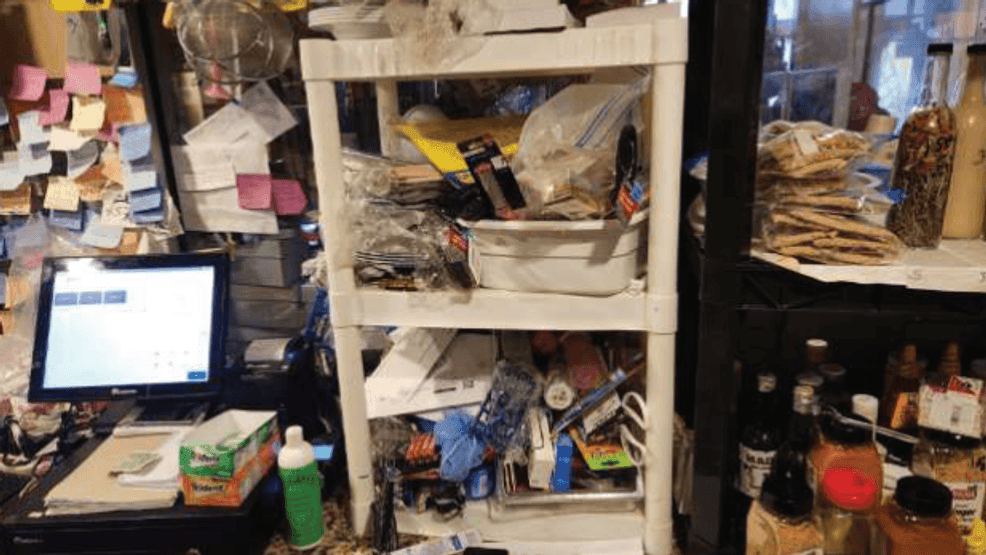
Federal prosecutors alleged that the men fraudulently obtained millions of dollars’ worth of SNAP benefits through two small bodegas they operated in Boston. (Photo: Department of Justice)
The men were also accused of selling “MannaPack meals,” which are donated food products intended for the nonprofit, which feeds hungry children overseas. The products, which are not authorized for retail sale, were paid for by donations.
“The defendants allegedly sold donated MannaPack meals in their stores for approximately $8 per package, profiting from food intended for humanitarian relief,” the DOJ said.
JOIN THE CONVERSATION (2)
If convicted on food stamp fraud, the men each face a sentence of up to five years in prison, three years of supervised release and a fine of $250,000.

 National Headline