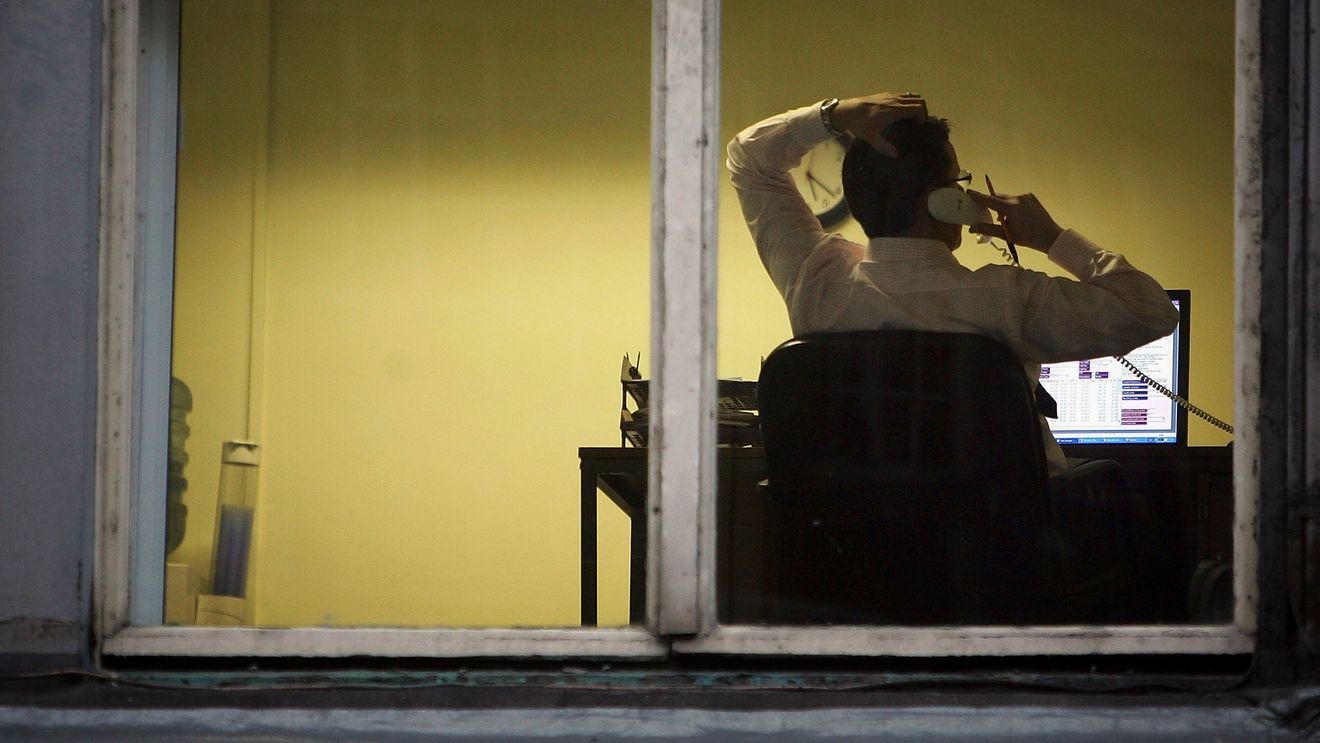
WASHINGTON (TNND) — The holiday season, often associated with family and joy, is proving to be a significant source of stress for many Americans. A recent survey by the American Psychological Association revealed that 89% of U.S. adults experience stress during this time, with 41% reporting higher stress levels compared to other times of the year. Financial concerns are the leading cause, particularly affecting households earning under $50,000 annually, where stress levels are notably higher than those earning $100,000 annually.
A national Johns Hopkins study surveyed 1,900 American adults this past spring about mental health crises, defined as overwhelming thoughts, feelings, or behaviors requiring prompt assistance. Young adults aged 18-29 reported the highest crisis rate at 15.1%, compared to 2.6% for adults over 60.
As winter approaches, many are already feeling the effects of shorter days, which can lead to a drop in mood. Harvard Health identifies this as seasonal affective disorder (SAD), a form of seasonal depression that appears in late fall and winter and lifts in spring. Symptoms include low mood, hopelessness, sleep problems, appetite changes, and sluggishness. SAD often adds carb cravings, low energy, and social withdrawal.
“Lack of light can throw off your circadian rhythm,” Harvard Health explains. “This can cause your brain to produce too much of the sleep hormone melatonin and to release less serotonin, the feel-good brain chemical that affects mood.”
Individuals in northern states and those with a family history of depression are at higher risk. However, Harvard suggests that artificial light can mimic sunlight and help prevent symptoms if used early in winter.

 National Headline