The Alex Marlowe Show
7:00 pm - 8:00 pm
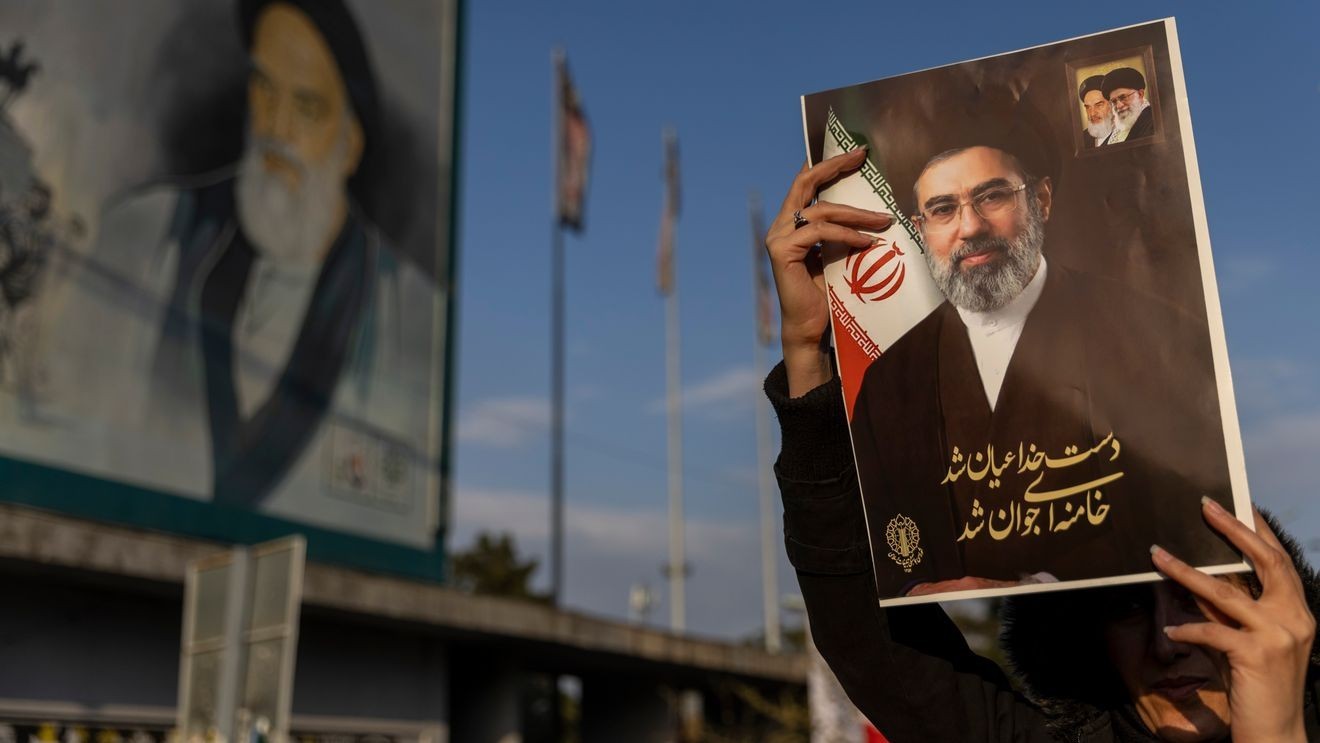
WASHINGTON (TNND) — A recently compiled classified assessment from the National Intelligence Council finds that even a large-scale U.S. military strike would be unlikely to topple Iran’s deeply entrenched military and clerical leadership. The report, confirmed to the Washington Post by multiple sources, was completed in late February, about a week before U.S.-Israel strikes in the region began.
“Even a large-scale assault on Iran launched by the United States would be unlikely to oust the Islamic republic’s entrenched military and clerical establishment, a sobering assessment as the Trump administration raises the specter of an extended military campaign that officials say has ‘only just begun,'” the Washington Post wrote.
The findings complicate the Trump administration’s stated objectives, which initially focused on curbing Iran’s nuclear capabilities.
In recent statements to NBC News and on TruthSocial, President Donald Trump suggested a broader goal: removing Iran’s leadership and installing a new ruler. Officials have indicated the military campaign may be extended, with Defense Secretary Pete Hegseth stating the conflict has “only just begun.”

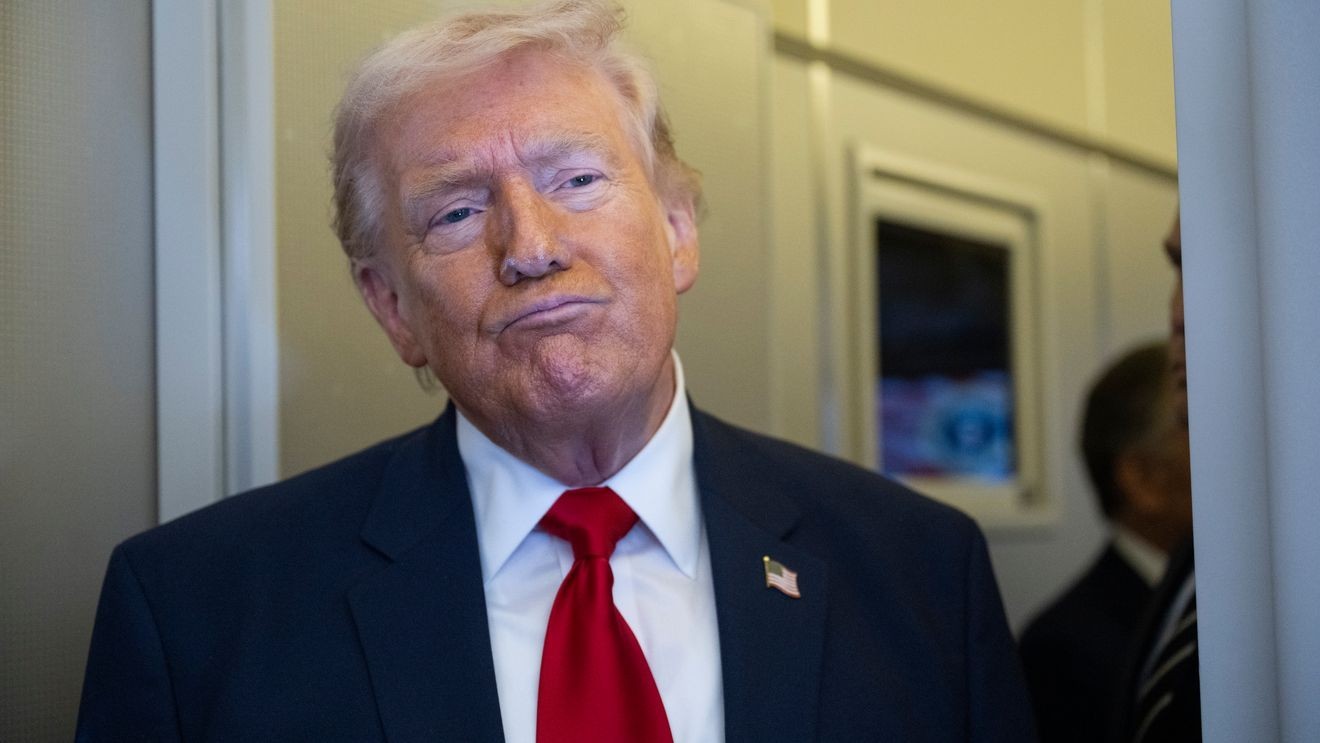
IN FLIGHT- MARCH 7: U.S. President Donald Trump speaks to members of the media traveling on Air Force One while heading to Miami on March 7, 2026. President Trump and other members of the government attended the dignified transfer of six soldiers from the 103rd Sustainment Command who were killed in action by an Iranian drone strike on March 1 in Port of Shuaiba, Kuwait during “Operation Epic Fury”. (Photo by Roberto Schmidt/Getty Images)
Airstrikes Alone Rarely Achieve Regime Change
Historically, airpower by itself has seldom led to regime change. Experts say bombing campaigns can damage military capabilities and weaken governments, but removing entrenched regimes typically requires ground forces, internal uprisings, or political collapse.
In Libya in 2011, NATO airstrikes helped weaken Muammar Gaddafi’s forces, but rebels on the ground ultimately seized control of the country.
During the 1999 Kosovo War, NATO launched an air campaign that forced Serbian President Slobodan Miloevi to withdraw troops. However, he remained in power until a domestic uprising removed him a year later.
U.S. airstrikes called Operation El Dorado Canyon against Libya in 1986 were at the helm of former President Ronald Reagan. They aimed at Gaddafi, but failed to remove him, yet he remained in power for decades afterward.
Even in World War II, regime change in Germany occurred only after massive ground invasions and occupation, not bombing through airstrikes alone.
Military analysts, including Robert Pape of the University of Chicago, emphasize that while airstrikes can degrade a regime’s military capabilities and infrastructure, they rarely achieve political change without other forces at work.
The intelligence assessment reported by the Post, and historical precedent, suggest that the U.S. faces significant challenges if it hopes to remove Iran’s leadership solely through military action. Analysts and lawmakers warn that Iran’s established succession systems and power networks would likely maintain continuity even after a large-scale assault.
For now, the Trump administration’s evolving goals and the intelligence report indicate that any attempt at regime change in Iran could be prolonged and far more complex than airstrikes alone.

 National Headline