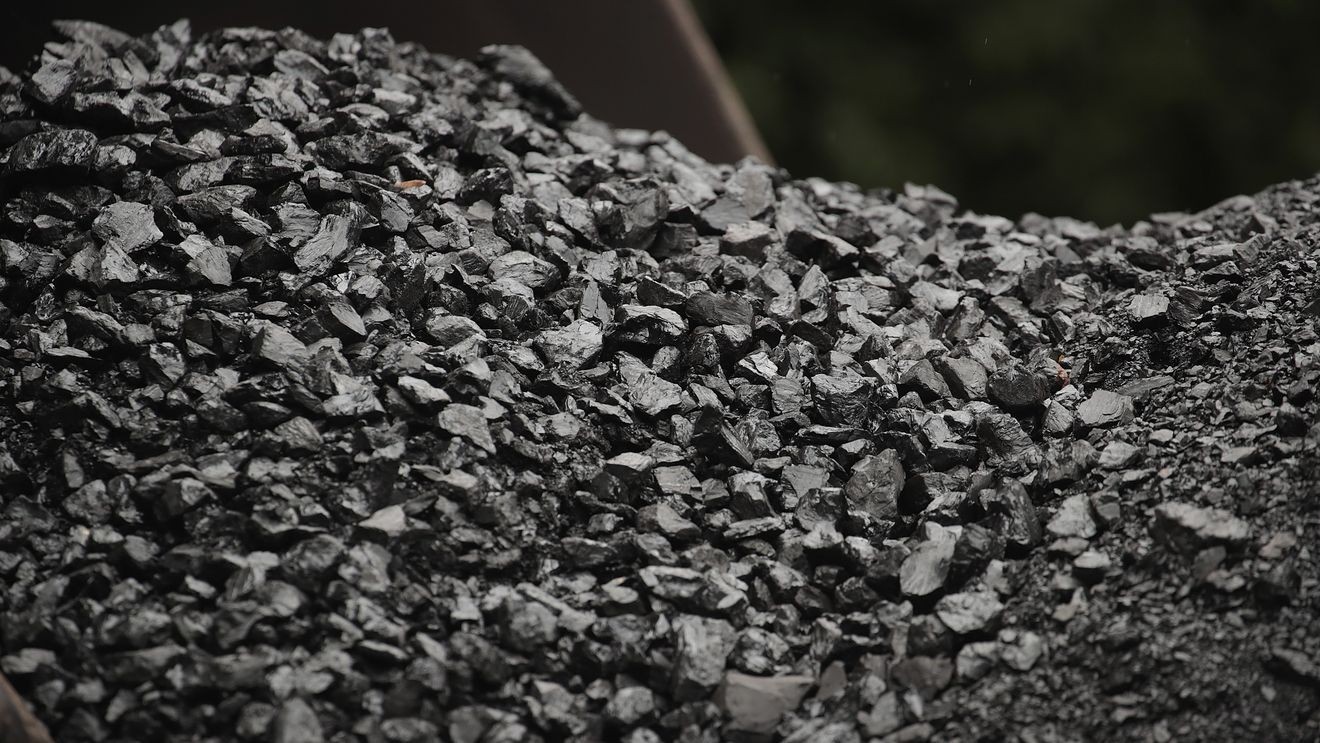
WASHINGTON (TNND) — President Trump is ordering the Pentagon to buy more electricity from coal-fired power plants, part of a broader effort to slow the industry’s decline and keep some aging plants online.
The move comes through an executive order directing the Defense Department to sign long-term power purchase agreements with coal facilities that supply military bases and other critical operations. A White House fact sheet says the goal is to ensure reliable, always-available electricity, often called baseload power, and to strengthen grid resilience and national security. The administration argues intermittent sources like wind and solar can’t always guarantee on-demand power during extreme conditions.
Experts told The New York Times that even if the military sourced all of its electricity from coal, it would equal only about three percent of U.S. coal-power capacity. That means the policy is unlikely to revive the industry as a whole, though it could help keep specific plants open — especially those located near military installations.
The Pentagon contracts are also part of a wider strategy. The Department of Energy recently announced roughly $175 million to extend the life of coal plants in several states, and the Tennessee Valley Authority has delayed the retirement of two large coal plants scheduled to close later this decade.
Together, those steps show the administration is using federal purchasing power, funding, and policy changes to slow coal’s decline.
Coal’s challenges are largely economic. Utilities have been retiring plants for years because natural gas, wind, and solar are often cheaper to build or operate. Federal energy data shows generators still plan additional coal retirements, even if the pace has slowed.
The administration argues coal is necessary for reliability, particularly during extreme weather when renewable output can drop. The White House says dependable energy sources are essential for military readiness and grid stability.
But analysts say modern reliability depends on a mix of transmission systems, storage, flexible generation, and market design, not just one fuel source, according to The New York Times.
Coal’s share of U.S. electricity has fallen sharply over time, reflecting the broader shift toward cheaper energy sources.
Experts say federal support could delay some plant closures, but it is unlikely to reverse the long-term decline. The industry’s future will likely depend less on federal policy and more on whether utilities see coal as economically competitive in a rapidly changing energy market.

 National Headline