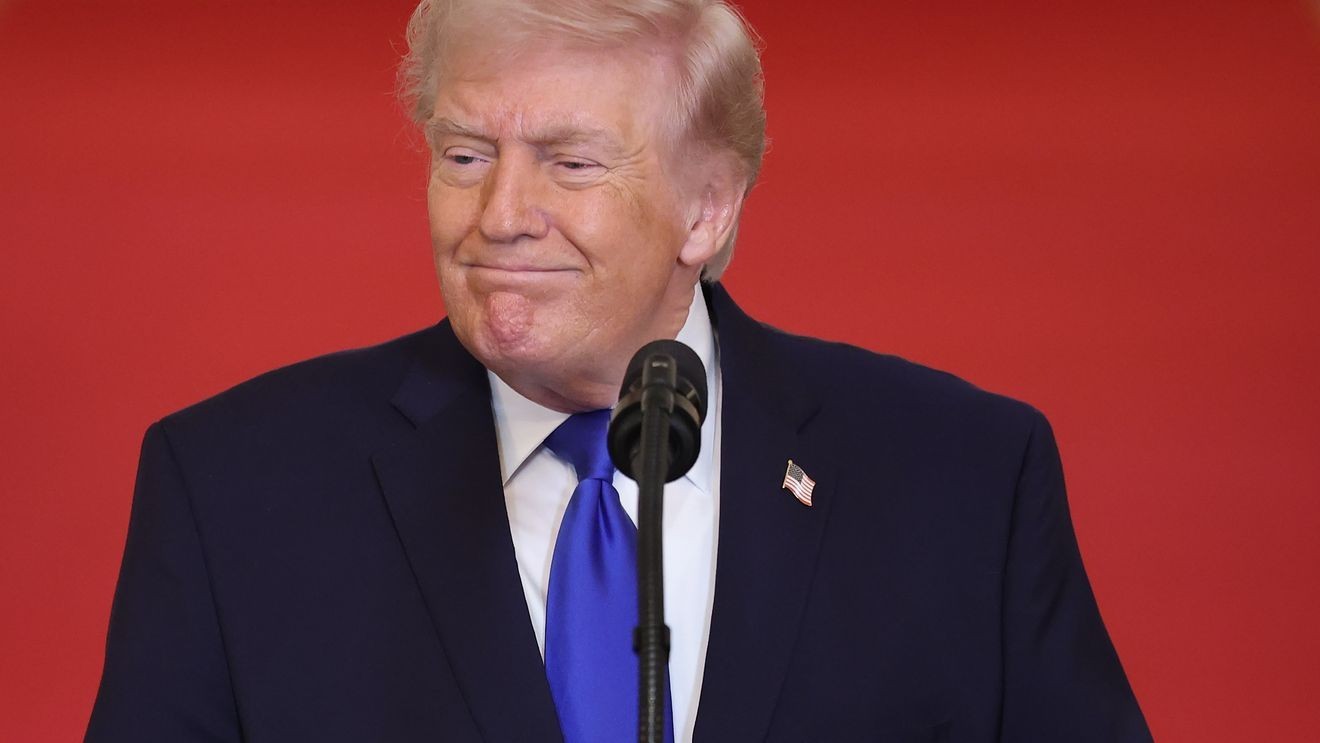
WASHINGTON (TNND) — President Donald Trump is set to deliver the first State of the Union address of his second term on Tuesday. The speech comes after a year in office impacted by sweeping tariffs that have rattled global markets, intensified immigration enforcement in American cities, persistent cost-of-living concerns, and rising tensions with Iran that‘ve stoked fears of a broader conflict.
In a preview video released by the White House on Saturday, the president is likely to focus on border security, public safety and restoring “law and order” – issues that’ve come to define his return to the White House and are expected to shape midterms in Congress.
Origin of the SOTU
The State of the Union is rooted in the Constitution. Article II, Section 3 requires the president to inform Congress “from time to time” about the condition of the country. George Washington delivered the first address in 1790 in New York, then the nation’s capital. Thomas Jefferson later shifted the tradition to a written message, arguing that the in-person speech felt too monarchical. That format lasted about a century until Woodrow Wilson revived the live address in 1913, transforming it into the modern political event Americans recognize today.

WASHINGTON, DC – FEBRUARY 04: U.S. President Donald Trump delivers the State of the Union address in the House chamber on February 4, 2020 in Washington, DC. Trump is delivering his third State of the Union address on the night before the U.S. Senate is set to vote in his impeachment trial. (Photo by Leah Millis-Pool/Getty Images)
Bombshell moments during the SOTU
Over time, the address has produced unforgettable moments.
In 2020, then-House Speaker Nancy Pelosi tore up Trump’s speech on camera. In 2009, President Barack Obama was interrupted by Rep. Joe Wilson shouting, “You lie!” In 1982, President Ronald Reagan began the tradition of spotlighting everyday Americans in the gallery, a practice that continues today.
Do Americans still watch?
While the spectacle remains, broadcast television audiences have declined, according to Statista.
Data from Nielsen Media Research show that in the 1990s and early 2000s, addresses routinely drew between 40 and 60 million viewers. In recent years, though, that number has fallen closer to 25 to 35 million on traditional broadcast and cable television. It’s unclear if this is because of a lack of interest or simply splintering media consumption in the digital age. As other Nielsen research reveals, streaming, YouTube and social media are viewed as much as traditional broadcast platforms.

 National Headline