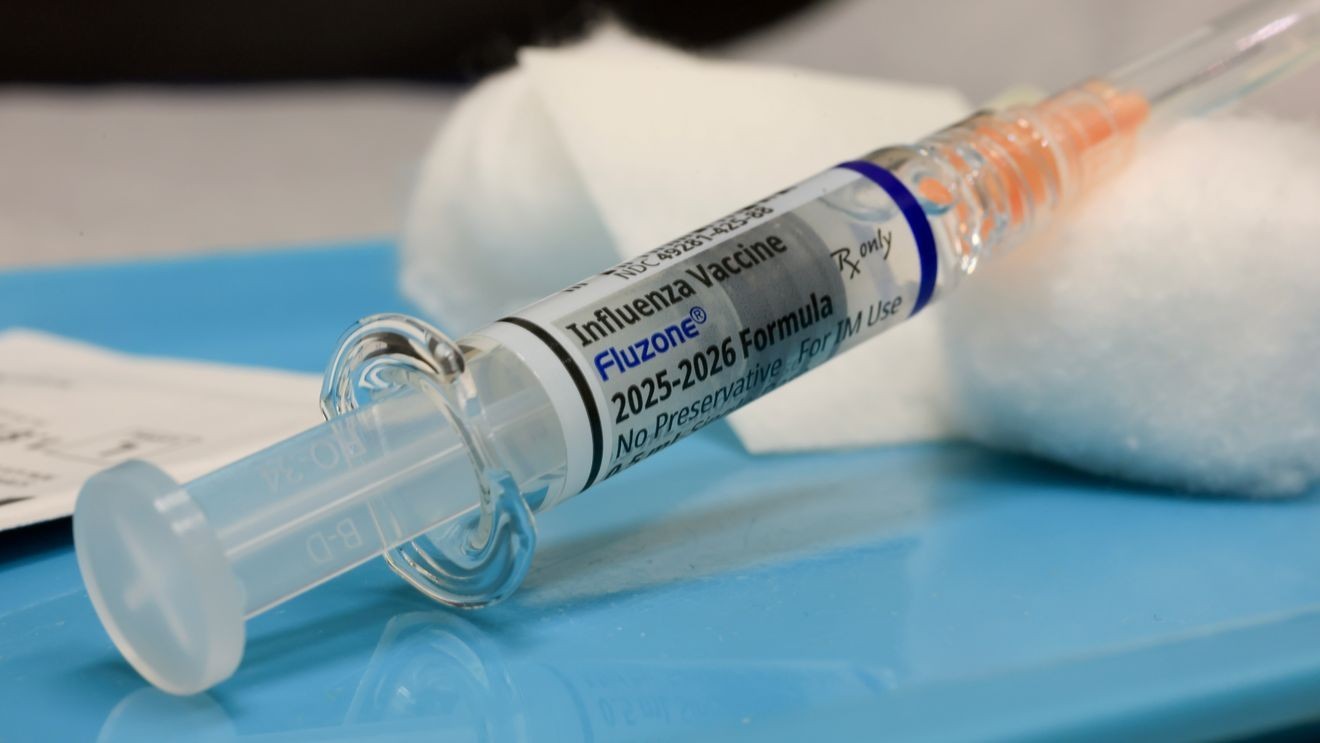
(TNND) — This flu season is shaping up to be among the most severe in years, and doctors say the flu shot, even if it’s not a perfect match for the dominant strain, is still the best protection against the virus.
The latest report from the Centers for Disease Control and Prevention shows 30 states report “very high” flu activity, based on outpatient visits for people with flu-like symptoms.
For the week ending Dec. 27, 8.2% of outpatient visits were for patients experiencing fever with a cough or sore throat.
That’s the highest share of outpatient visits for flu-like symptoms for this time of the season in CDC tracking that goes back nearly 30 years.
The CDC reported weekly increases in flu-related emergency department visits and hospitalizations, too.
The CDC said it estimates there have been at least 11 million illnesses, 120,000 hospitalizations, and 5,000 deaths from flu so far this season.
That includes nine flu-related pediatric deaths, coming off an especially deadly flu season for children last year. Last season claimed the lives of 289 children.
In the latest flu report, the CDC recommended that everyone 6 months and older get vaccinated. However, the CDC this week changed its recommendations for childhood vaccinations, including for the flu.
The new guidelines say children should only get the flu shot in consultation with their health care provider. Leading health groups have disputed the CDC’s updated advice for routine childhood immunizations.
“To back off on a flu recommendation in the midst of a pretty severe flu year seems to me to be pretty tone deaf,” Dr. Sean O’Leary, chair of the AAP Committee on Infectious Diseases, said in an online article from the group. “And that’s coming off an influenza year where we had the most childhood deaths from influenza in many years. It makes no sense.”
The AAP said 42% of children have been vaccinated.
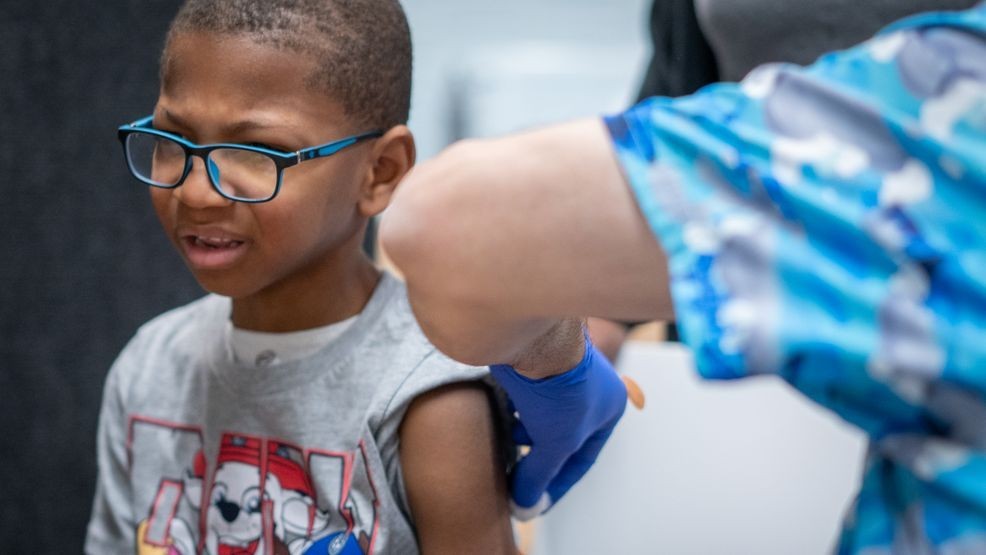
Photo by Jan Sonnenmair/Getty Images, file
Will this go down as one of the worst flu seasons on record?
“I think right now, all we can say is it just seems like this one is set out to be moderately severe and perhaps worse than last year, but it remains to be seen sort of when it’s going to peak nationwide and what that’ll look like,” Dr. S. Wesley Long, of Houston Methodist, told The National News Desk on Wednesday.
Respiratory virus season, which includes the flu, stretches from October to March or April.
Illnesses usually peak about halfway through.
And, while this season is pacing to be worse than recent years, Long said the picture will be more fully developed in another month.
Folks are just getting off holiday travel, but students are just getting back to school.
“And so, that’s another sort of time when there’s a lot of population mixing and people returning from travel from different parts of the country,” Long said. “And if they’ve been exposed somewhere else, and they bring it to an area of lower prevalence, you can see some spreading.”
Subclade K has emerged as the predominant strain of flu this season. It’s a variant of the H3N2 flu virus.
The particular variant emerged over the summer after the current vaccines were manufactured, Long said. And there’s some preliminary data suggesting that the virus and the vaccine aren’t matched particularly well.
But Long said that shouldn’t stop anyone from getting the shot.
There is an H3N2 virus in the vaccine, so the virus provides some immunity, he said.
“Now again, it’s kind of like everything we saw with COVID vaccines, where even as variants changed, being vaccinated against the flu and against H3N2 in general is going to provide you some protection against the more severe disease, more severe outcomes and death, even though it’s not a great match,” Long said. “Because you’re going to get some cross protection.”
And it’s not too late in the season to get vaccinated, either.
“It’s never too late,” Long said, adding that even a person already exposed to an infection might derive some protection from the shot.
Other than vaccination, Long offered familiar advice for people to lower their flu risk this season: avoid large crowds, wash your hands frequently, and ask your doctor about post-infection antivirals if you do get sick.
“If you are sick with any respiratory virus, please, do what you can to stay home from work or school or church,” Long said. “Just try to avoid infecting other people in your community if you can, just as a courtesy.”

 National Headline