WASHINGTON (TNND) — Minnesota has emerged as a flashpoint in an escalating battle between state leaders and the federal government, driven by sweeping fraud allegations, aggressive immigration enforcement and the fatal shooting of a civilian by a federal agent.
Watch the full report below for a breakdown of the fraud allegations, federal response and the events that put Minnesota at the center of a national clash.
Federal prosecutors estimate that as much as $9 billion may have been stolen from Minnesota’s social services and welfare programs, including food assistance, housing aid and Medicaid. The alleged fraud spans years but drew national attention after a viral video raised questions about suspicious funding tied to child care centers across the state.
The fallout was swift. Federal officials froze $10 million in child care subsidy funding to five Democratic-led states, including Minnesota, and launched aggressive audits through the Department of Health and Human Services and the Treasury Department. Congress soon followed, with the House Oversight Committee holding a contentious hearing that exposed sharp partisan divides and accusations of repeated failures in state oversight.
As scrutiny intensified, the Department of Homeland Security expanded its presence through Operation Metro Surge, deploying thousands of federal agents across Minnesota. Federal authorities say the operation has led to hundreds of arrests targeting undocumented individuals accused of serious crimes, including fraud, drug trafficking and child abuse.
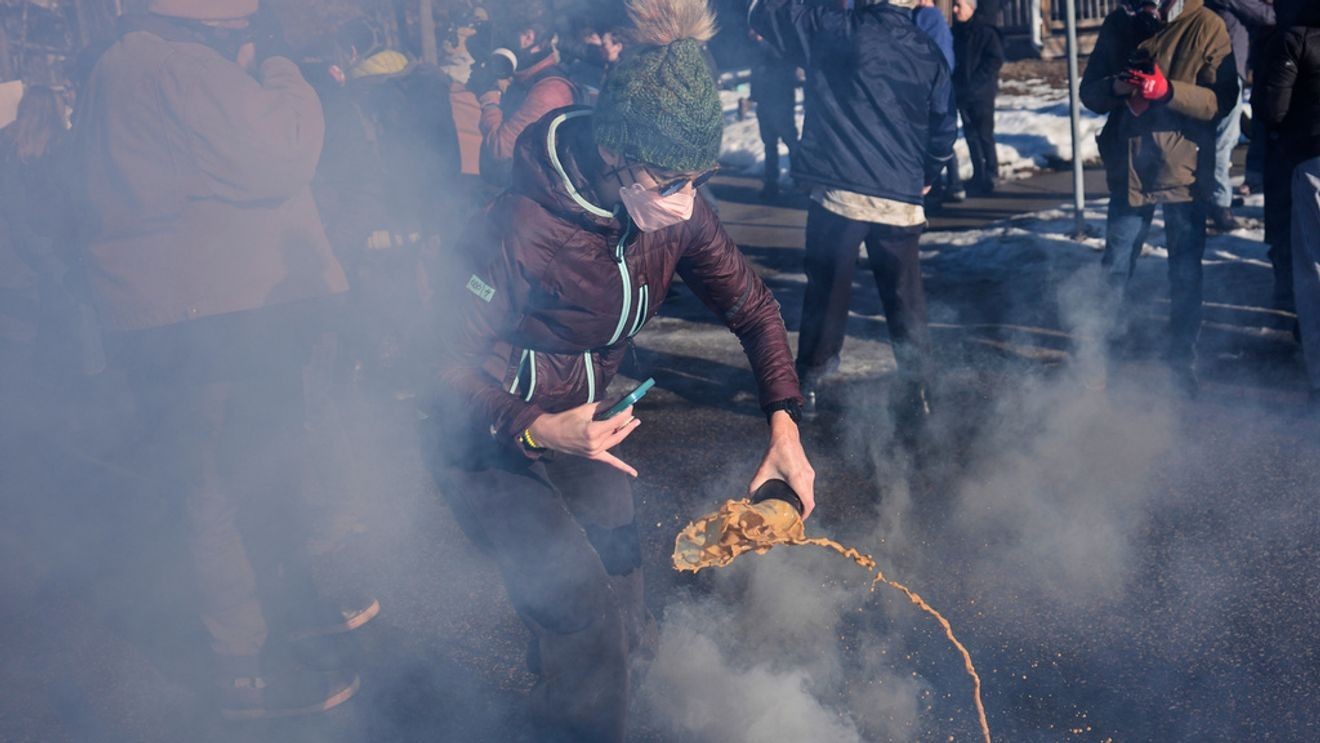
The expanded enforcement sparked protests and heightened tensions, culminating in the fatal shooting of Renee Nicole Good during an immigration operation in Minneapolis. Federal officials say ICE agent Jonathan Ross fired after Good used her SUV to move toward officers, describing the action as self-defense. Homeland Security officials later characterized the incident as domestic terrorism, a claim strongly disputed by state and local leaders.
Minnesota and the city of Minneapolis filed lawsuits seeking to block the federal operation, arguing it was unlawful and politically motivated. The Justice Department later announced it found no basis to open a criminal investigation into the shooting, a decision that prompted internal resignations within its civil rights division.
The political repercussions have been significant. Gov. Tim Walz announced he will not seek a third term, saying he must focus on governing rather than defending himself politically. Walz has acknowledged the seriousness of the fraud allegations while accusing federal officials of prejudging the case and politicizing enforcement.
President Donald Trump has accused Minnesota officials of allowing the state to become a hub for fraudulent activity, using that claim to justify the federal crackdown. Vice President JD Vance defended the officer involved in the shooting, calling the death a tragedy but one caused by obstruction of law enforcement.
Adding to the strain, Homeland Security Secretary Kristi Noem announced the end of Temporary Protected Status for Somali nationals, a move that could affect thousands in Minnesota, home to one of the nation’s largest Somali communities.
What began as a fraud investigation has evolved into a broader test of federal authority, state resistance and the limits of enforcement. The outcome in Minnesota may shape how power is exercised — and challenged — far beyond its borders.

 National Headline