After weeks of waiting, the Supreme Court ruled against the Trump administration in a decision addressing whether President Trump had authority to impose sweeping tariffs without congressional approval.
Advertisement
We have the tariffs decision. Chief Justice John Roberts rules against the President. https://t.co/iUUHGHU7GT
— Jonathan Turley (@JonathanTurley) February 20, 2026
At the heart of the issue was whether President Trump had such authority under the International Emergency Economic Powers Act (IEEPA), a law that allows presidents to take economic actions during a national emergency and to impose broad tariffs without Congress passing tariff laws.
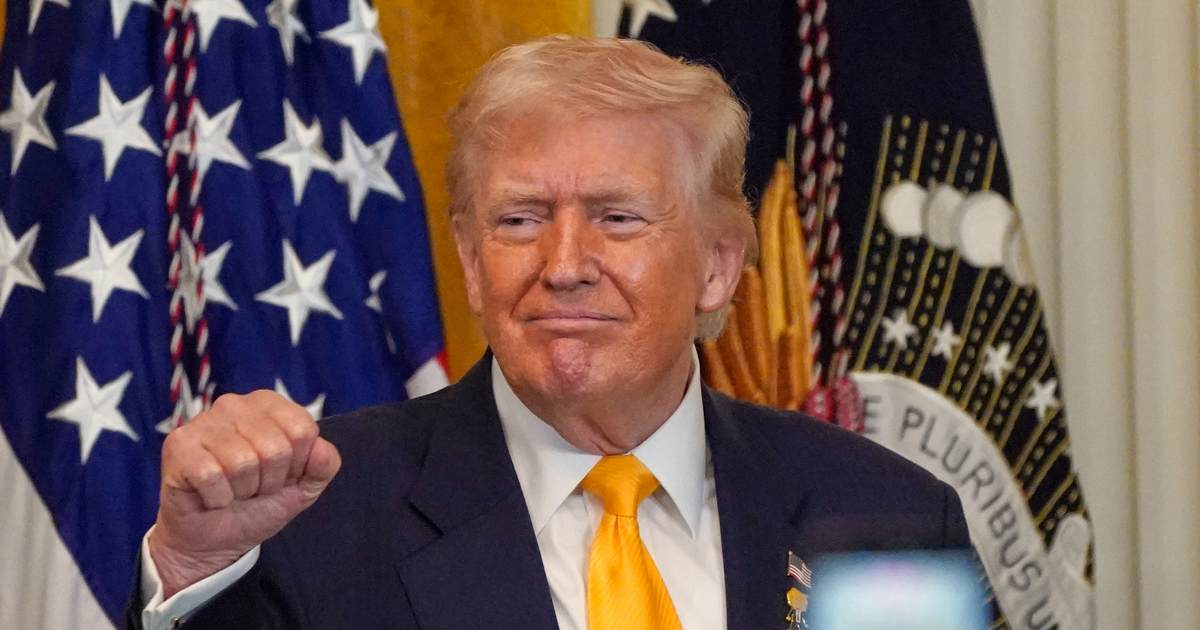
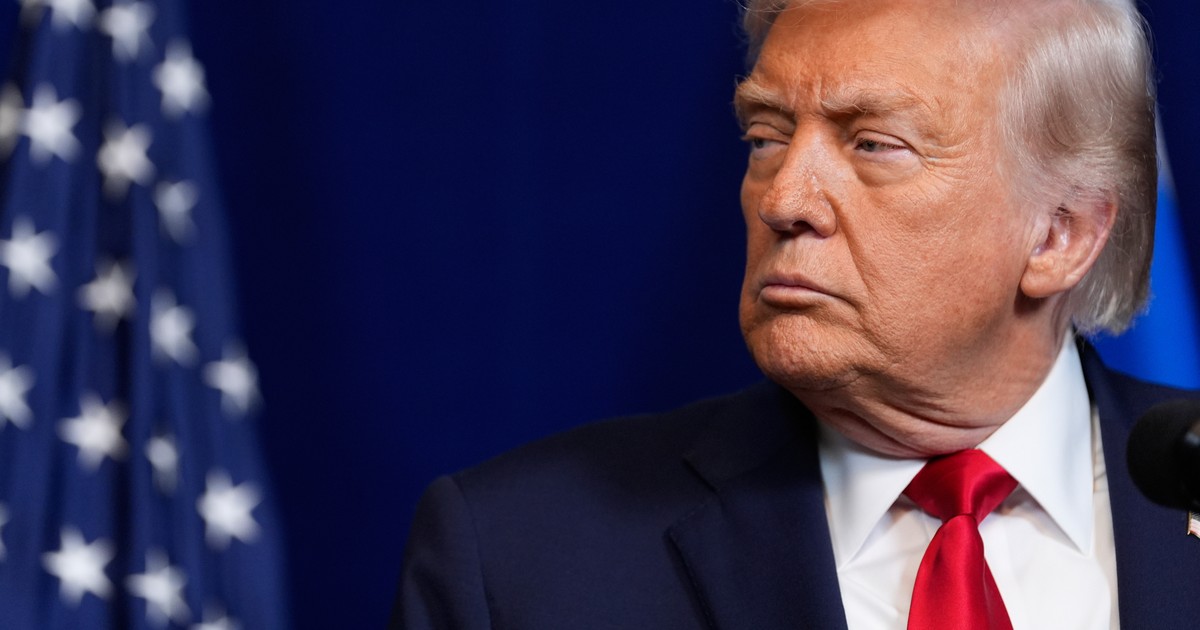
In a 6-3 decision, the Supreme Court ruled that President Trump exceeded his authority under the International Emergency Economic Powers Act (IEEPA) by imposing broad tariffs without congressional approval, placing new limits on the executive branch’s ability to use tariffs as a unilateral economic tool. You can read the ruling here.
The decision affirms critics’ arguments that tariffs function as taxes and that the Constitution vests the power to levy taxes in Congress, not the president. The ruling could significantly reshape trade policy by forcing future administrations to seek legislative approval before imposing sweeping tariffs under emergency powers.
Those critics said tariffs are a tax and that the power to levy taxes is a Congressional power, and that the Trump tariffs were an end-run around Congress. Some Republicans, including Reps. Kevin Kiley of California and Thomas Massie of Kentucky vowed to tank a procedural vote on a rule proposed by Speaker of the House Mike Johnson that would ban Congressional challenges to tariffs. On February 12, six Republicans joined Democrats to pass a resolution condemning President Trump’s tariffs against Canada. “Any Republican, in the House or the Senate, that votes against TARIFFS will seriously suffer the consequences come Election time, and that includes Primaries!” President Trump said on Truth Social around the time of the House vote.
Advertisement
The Trump administration argued that the IEEPA emergency powers are intentionally broad so the president can respond quickly to national emergencies, and that restricting his power would weaken leverage in negotiations and national-security disputes. That was the worry expressed by Treasury Secretary Scott Bessent, according to Reuters.
“What is not in doubt is our ability to continue collecting tariffs at roughly the same level in terms of overall revenue,” Bessent said at an Economic Club of Minnesota event. “What is in doubt, and it’s a real change for the American people, was the president loses flexibility to use tariffs, both for national security, for negotiating leverage.”
On February 9, Bessent said President Trump’s plan was working, telling Fox News, “The Trump economy is delivering for the American people, that we have strong growth, and the inflation is, in fact, coming down. The past three months, inflation is 2.1 percent, close to the Federal Reserve’s target. And a measure called trueflation, which is daily observations, now is below one percent. So inflation down, strong growth, stocks at a record high, and the lowest crime rate in over 100 years.
There were also concerns about how the market would react if the Supreme Court ruled against the tariffs, with Reuters reporting that the U.S. could face massive refund litigation costing up to $200 billion. President Trump himself warned that overruling his tariffs would cause economic disaster, telling reporters in November that, “There would be an economic disaster. It would be a national security disaster if we lost the case in the Supreme Court.”
Advertisement
The ruling may not end the policy debate over tariffs, but it redraws the constitutional boundaries for imposing them. Any future effort to implement sweeping trade measures under emergency authority will now face both legal and political scrutiny. But there are still avenues that the Trump administration can explore, including Section 122 of the Trade Act of 1974, which allows the president to impose temporary tariffs of up to 15 percent for up to 150 days without Congress, or Section 301 of the same act, which allows tariffs in the case of unfair trade practices by foreign nations.
Editor’s Note: Every single day, here at Townhall, we will stand up and FIGHT, FIGHT, FIGHT against the radical left and deliver the conservative reporting our readers deserve.
Help us continue to tell the truth about the Trump administration and its successes. Join Townhall VIP and use promo code FIGHT to receive 60% off your membership.

 National Headline