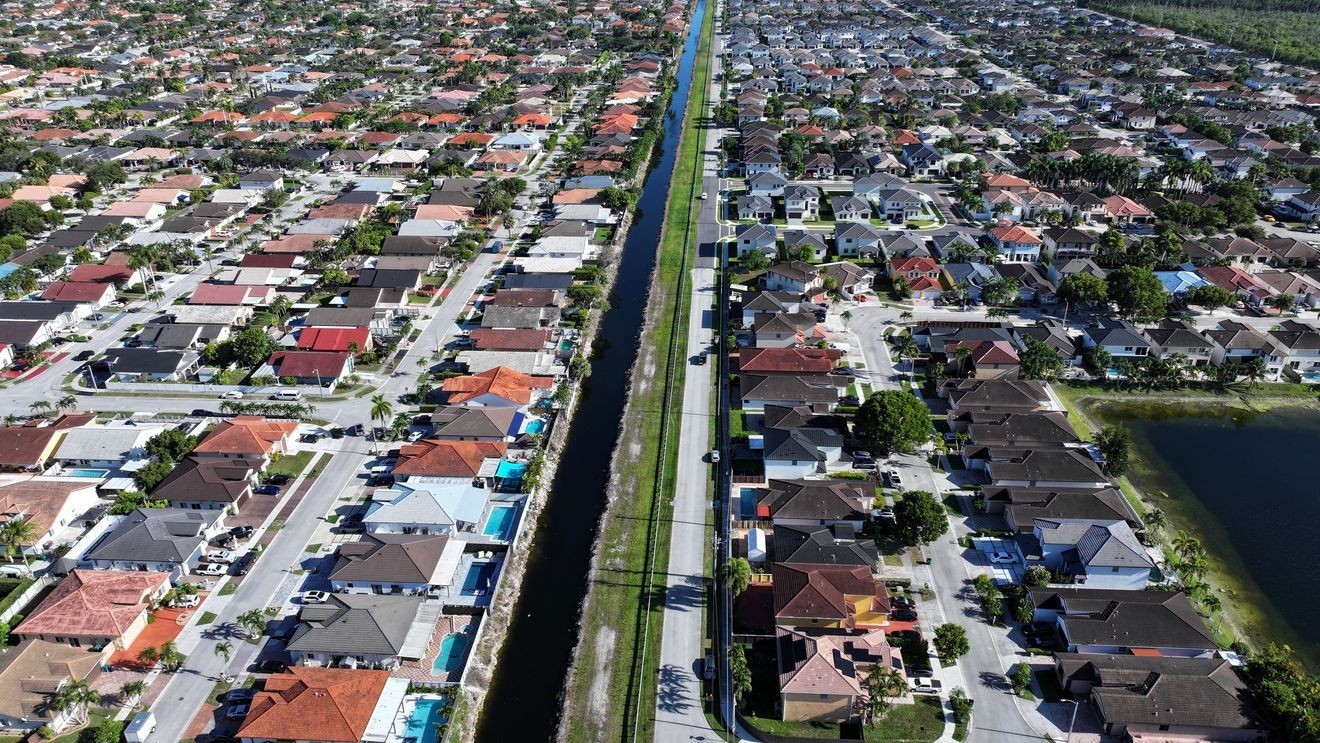
WASHINGTON (TNND) — Years of rising costs to buy a home, pay for insurance and finance the loan have left many would-be buyers stuck on the sidelines as the expenses of homeownership have outpaced incomes even with four straight years of sagging sales.
Many are growing more pessimistic about their chances of obtaining the American Dream of homeownership and being able to afford a middle-class lifestyle after years of inflation eroded purchasing power.
Home prices have soared nationally since the pandemic, when ultra-low interest rates sparked a rush of buyers to flood the market and try to outbid each other for a limited set of properties for sale. Prices were 55% higher in the third quarter of 2025 compared to the first quarter of 2020, according to the National Association of Homebuilders.
A recent NerdWallet survey found most Americans who were hoping to buy a home in 2025 were unsuccessful, opting to delay or cancel their purchase over concerns with the costs or being unable to find something that fits their needs. Just 29% who went into last year hoping to make a purchase bought or are in the process.
Struggles with rising costs don’t stop once contracts are signed and buyers move in. Property taxes propelled by growing valuations have kept moving higher, insurance is getting more expensive as the cost of labor and materials gets more expensive and more areas are hit by extreme weather events.
“Rising homeownership costs further complicate the affordability picture for buyers looking to get into the market while making current homeowners feel squeezed. A low interest rate on your current mortgage can only help so much if your insurance premiums are ballooning,” said Kate Wood, a housing and mortgage expert at NerdWallet.
Of those who have bought a home, 34% said they consider themselves “house poor,” meaning most of their income goes toward housing expenses. More than 60% said owning a home has been much more expensive than they thought it would be.
A November analysis from Zillow and Thumbtack found the “hidden costs” of homeownership — maintenance costs, insurance and property taxes — reached nearly $16,000 and are rising faster than incomes, highlighting what the true costs of owning a home are even for people who can afford the down payment and hefty mortgage.
The average homeowner spends almost $11,000 a year on maintenance, $2,003 on homeowners’ insurance and $3,030 in property taxes, adding up to an additional $1,300 per month in additional costs. Those expenses jumped by 4.7% compared to the year prior, while incomes only climbed by 3.8%, adding another squeeze to household budgets that are also being hit by continued inflation for other necessities like groceries and utility bills.
With inflation still running near 3%, mortgage rates unlikely to retreat much further from current levels of just below 6% and median prices hovering over $400,000, wishful buyers may be stuck waiting again in 2026.
There is some hope of modest improvements in affordability heading into 2026 with rates cheaper compared to a year ago, slowing growth in asking prices and wage increases providing more wiggle room in budgets. But hopeful buyers are still looking at some eye-popping totals to get into homeownership.
“Affordability may improve, but we’re talking about going from worse to bad,” Wood said. “The bottom line is that even when we’re talking about prices dropping, it’s a drop relative to where they are now — and where they are now is pretty darn expensive.”
The White House has put a recent emphasis on making the cost of homeownership more attainable facing pressure over the cost of living ahead of the 2026 midterms. President Donald Trump and other administration officials have floated policies aimed at lowering mortgage rates to allowing people to tap into retirement savings to come up with enough cash to afford a down payment.
Most of Trump’s proposals have been geared at giving buyers more purchasing power to combat higher prices and are not addressing what analysts say is the root of the issue: a lack of homes. Home construction plummeted after the financial crisis and has not yet recovered enough to meet demand, leaving the U.S. short millions of homes for people to buy that are keeping prices elevated even with a stalled market.
“The current state of the housing supply is best described as an irresistible force meeting an immovable object,” Edward J. Pinto, senior fellow and codirector at the American Enterprise Institute Housing Center, told House lawmakers during a hearing on affordability last week.
The central proposal thus far to expand housing supply is an executive order banning institutional investors from owning single-family homes, though analysts have questioned its effectiveness on a national scale, where investors only own a sliver of the total supply. It may lower costs in some markets with high shares of homes owned by investors like Charlotte and Atlanta.
It is difficult for the federal government to spur new construction, as the biggest obstacle for builders are zoning and land use restrictions set by thousands of local bodies across the country. Builders are also facing economic hurdles with high interest rates and increased costs for materials and labor that make it more challenging for projects to turn a profit.
Seeking to make it easier for construction, Trump suspended some of his tariffs on lumber, furnishings and other materials ahead of the new year.

 National Headline