The Savvy Investor
6:00 pm - 7:00 pm

Free markets are often difficult to discuss without slipping into abstraction, as is much of what we say about freedom. I write regularly about the virtues of economic freedom, but abstract arguments are easy to dismiss. Critics point to crony capitalism or systemic failures and treat the mere involvement of a market in a process as proof that it is guilty of bringing about the vices that characterize it.
But every now and then, a simple story makes the case more clearly than an abstract argument can.
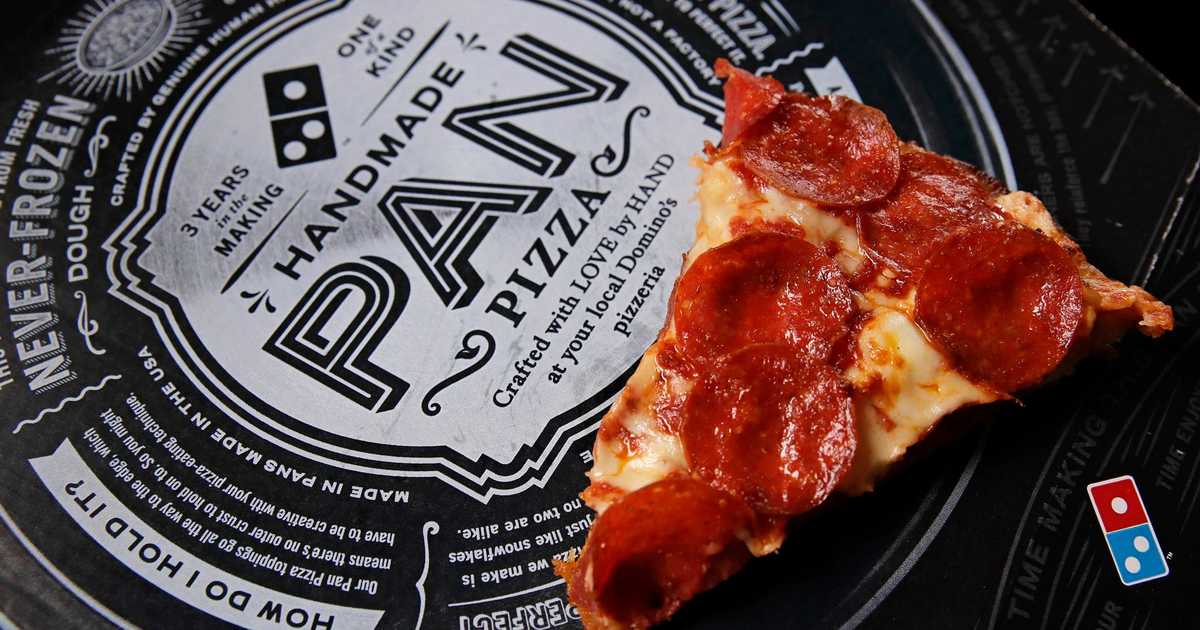
AJ Miller moved from Connecticut to San Diego in 2020 and soon found himself missing the East Coast pizza he had grown up with. So he taught himself to make it, documenting his experiments on social media. His pizzas combined New York’s thin, foldable slices with the crisp crust and charred edges of New Haven “apizza.” He did not have a commercial kitchen or a coal-fired oven. He learned to work with his apartment oven, a baking steel, and a broiler.
Then, in 2026, Miller lost his marketing job. What looked like bad luck became an opportunity to turn his hobby into a business, and Echo Apizza was born. What began with a text list of 75 interested customers grew into more than 3,500 people competing for the just 15 pizzas Miller makes a week. Orders are selling out in under 30 seconds, at just $25 to $30 a pie.
🇺🇸🇪🇺 This would be IMPOSSIBLE in Europe without 47 permits, 12 inspections, and a meeting with the mayor. Some guy in San Diego is making pizzas in his HOME OVEN and has a waiting list of 3,500 people. No restaurant. No delivery. No fancy equipment. His pizzas sell out in under a MINUTE, and you’re only allowed to buy ONE. Writer: Samuel https://t.co/JT7S1fFoQb
— Mario Nawfal (@MarioNawfal) November 9, 2026
His business is profitable and has room to grow, but Miller is content with his current pace, even as he considers expanding. He has taken a relatively simple idea, making good pizza in his own kitchen, and built a small business that people are eager to support.
Recommended
This is the kind of freedom a free market is meant to protect. His kitchen need not be limited to making just his own dinner. His equipment can become the tools of a trade, and a skill he developed for his own enjoyment can become a source of income. He can put what he owns to productive use without needing to build an elaborate operation. And the benefit is not his alone. Customers get a pizza they want, and Miller earns money making it for them. His gain comes from providing something other people value. The business may be small, but there is nothing insignificant about the freedom to support yourself by doing something useful for others, using your own skills and property.
At the heart of even the largest corporation is this simple principle: using your skills and property to make a living by providing something others value.
Free-market conservatives want that opportunity open to everyone.
As the economy has grown more complex, people have become more eager to regulate its perceived imperfections. Their attention may be on the biggest businesses, but the restrictions reach people like Miller, too, burdening small businesses and making it harder for new competitors to challenge established firms. Measures presented as holding those at the top accountable instead help keep them there. The more obstacles we create, the fewer people get the chance to do what Miller did.
When conservatives advocate for free markets, we recognize that a large corporation’s freedom to use its property, pursue an idea, and serve its customers is directly tied to Miller’s freedom to do the same. But the real measure of economic freedom is whether people like Miller can put those rights into practice. Too often today, doing what he has done means overcoming barriers that should never have stood in the way of a man selling pizza from his own kitchen.
 National Headline
