
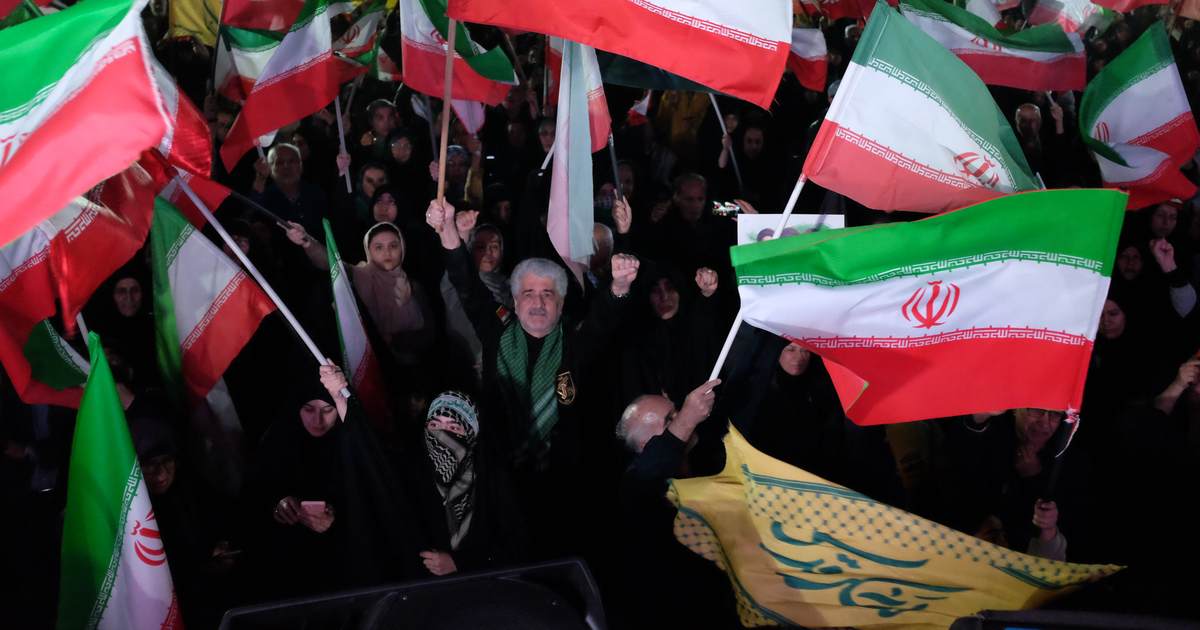
As the war in Iran continues, some are raising concerns about Iran’s ability to move against targets outside its borders — especially in Western nations.
The Financial Times reported that the Iranian regime has established a longstanding covert campaign to threaten, intimidate, and even launch physical attacks against its opposition in other countries.
Targets include dissidents, journalists, and others it views as threats. The article discusses a message sent from someone in Iran’s embassy in London calling for Iranians in the United Kingdom to join a movement based on national sacrifice.
After finding out about the message, British officials warned the embassy against such messages, saying they could inspire people to commit violent acts. The report details several different instances in which Iranian proxies have operated in the West. These include the stabbing of journalist Pouria Zeraati in Wimbledon and a plot to kidnap dissident activist Masih Alinejad in Brooklyn.
In 2024, US prosecutors charged an alleged IRGC member with trying to hire criminals to assassinate John Bolton, offering $300,000.
The same plot reportedly had a second job after Bolton. #Trump was also briefed on an alleged Iranian plot against him.https://t.co/2aSOXi89c7
— E Ibrahim (@FidzonTwit) May 5, 2026
It was also suspected that Iranian operatives sought to assassinate former national security advisor John Bolton. Western governments believe Iran has built secret networks in their countries for years. These groups are supposed to carry out attacks and intimidation campaigns against those who oppose the regime.
Nevertheless, the Financial Times points out that the regime may still lack the capability to carry out a major retaliatory attack against the West over the U.S.-Israeli bombing campaign against the regime. Experts quotes in the piece say Iran typically prefers indirect methods to achieving its objectives. But the regime’s security system was devastated after the airstrikes killed many of its top leaders.
NEW: Unsealed federal court indictments confirm that Iranian-American anti-regime activist Masih Alinejad was the target of an international kidnapping plot.
Multiple Iranian nationals secretly surveilled, photographed, and recorded Alinejad at her home in Brooklyn. pic.twitter.com/w3tAwjveJ0
— Kareem Rifai 🌐 (@KareemRifai) July 14, 2021
Former senior U.K. national security official John Raine told the Financial Times that Iran would “love to be able to take out a US capital asset, such as a base, a warship, a leadership figure.” He said this desire “is as much a religious obligation as an emotional response.”
After the war in Iran started, there were concerns that Iranian sleeper cells could be activated in the United States to carry out terrorist attacks against American citizens. People highlighted the risk that the Islamic Revolutionary Guard Corps (IRGC) and its proxies could seek revenge for the killing of its leaders and widespread devastation in the region.
 National Headline