The Savy Investor
6:00 pm - 7:00 pm
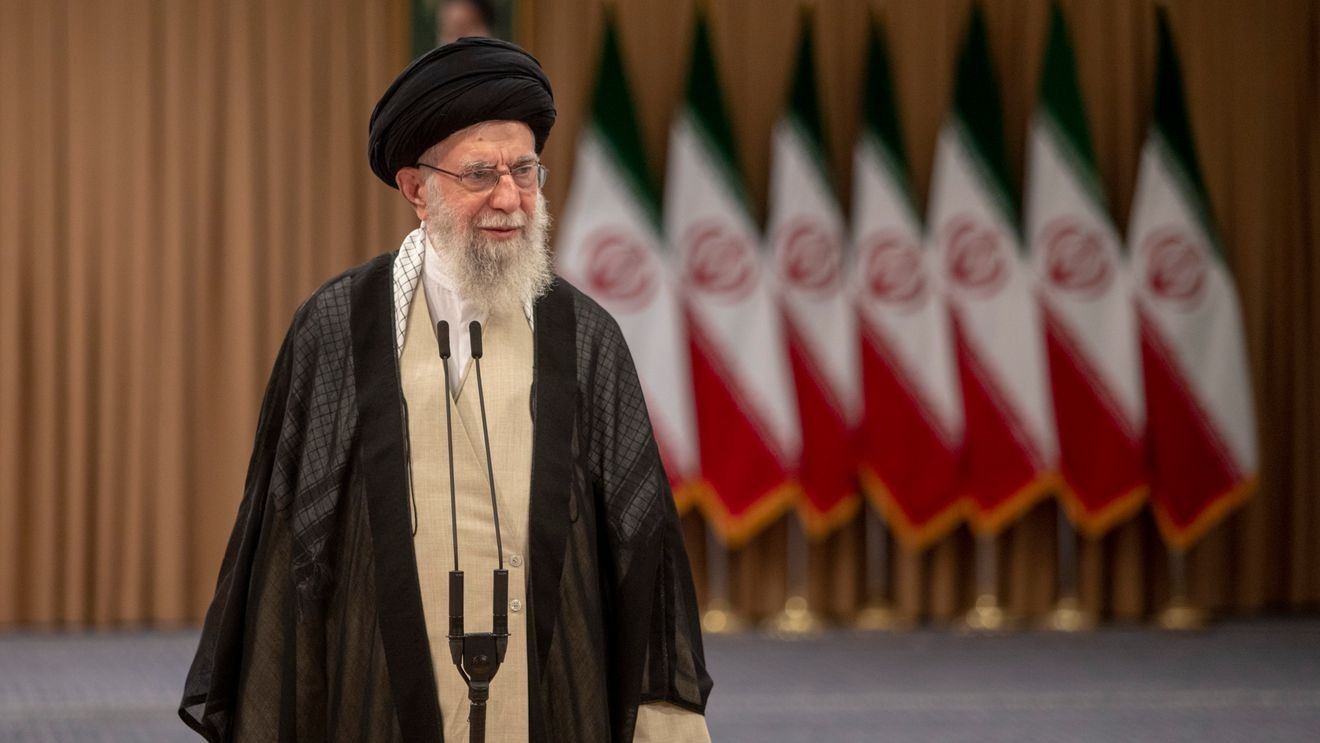
WASHINGTON (TNND) — Iran is confronting a surge of public anger and unrest as a deepening economic crisis fuels nationwide protests and heightens geopolitical tensions. Skyrocketing inflation, a plunging currency and spikes in the cost of basic goods have ignited demonstrations from Tehran to smaller provincial cities, marking some of the most sustained unrest since the 1979 revolution.
The protests were triggered in late December 2025 when the Iranian rial dropped to record lows against the U.S. dollar — more than 1.45 million rials to $1 on the free market — intensifying hardship for ordinary Iranians already grappling with inflation. (TNND)
The protests were triggered in late December 2025 when the Iranian rial dropped to record lows against the U.S. dollar — more than 1.45 million rials to $1 on the free market — intensifying hardship for ordinary Iranians already grappling with inflation. Official statistics show annual inflation running above 40 percent, while the prices of food staples have surged far beyond the reach of many families.
Shopkeepers and consumers have become emblematic of everyday struggles. In Tehran’s bazaars, traders closed their stores to protest unstable exchange rates and rising costs, actions that quickly spread into broader anti-government demonstrations. One 70-year-old shopper lamented that the price of a tray of eggs had jumped dramatically within a week, underscoring how rapidly essential goods are becoming unaffordable.
Empty storefronts and dwindling customers have become increasingly common. Local merchants report long hours with little to no sales as inflation erodes purchasing power, undermining consumer confidence and business activity.
The unrest has drawn international attention and provoked sharp rhetoric from global leaders. On social media, President Donald Trump publicly warned that the United States would intervene if Iranian security forces violently suppress peaceful demonstrators, a message Tehran’s military leadership roundly rejected as interference in internal affairs.
Amid the turmoil, intelligence reports suggest that Iran’s supreme leader, Ayatollah Ali Khamenei, has drawn up contingency plans to flee Tehran for Moscow with up to 20 close aides and family members if security forces fail to contain the unrest — a move reminiscent of the escape route taken by Syria’s Bashar al-Assad during his regime’s crisis in late 2024. al-Assad also fled to Russia.
The possibility of regime instability carries regional implications. Analysts warn that a collapse could send shockwaves through the Middle East, with neighboring Iraq and Gulf states poised to benefit in the short term, and Turkey potentially emerging as a long-term geopolitical contender. However, such a transition also risks heightened refugee flows, intensified rivalries and shifts in proxy networks across the region.
The situation remains fluid, with protests continuing and authorities showing little sign of yielding to demands for economic reform or political change.

 National Headline