Money, Riches and Wealth
6:00 pm - 7:00 pm
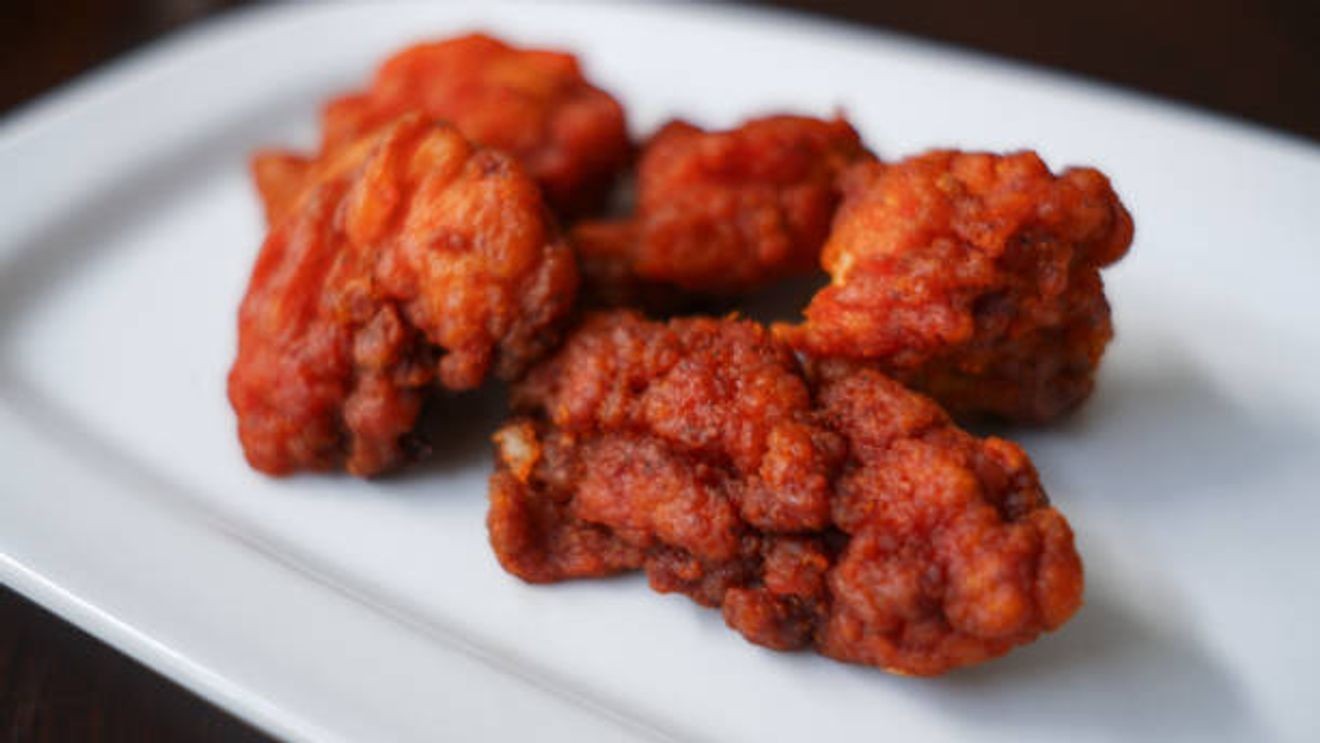
CHICAGO (WTVC) — A federal judge rejected a lawsuit this week that claimed Buffalo Wild Wings misled customers by selling “boneless wings” that are essentially chicken breast pieces.
The lawsuit was filed in 2023 by Aimen Halim, an Illinois man who argued that the name “boneless wings” amounted to false advertising because the product is not made from actual chicken wing meat. Halim sought up to $10 million in damages and asked the court to force the restaurant chain to change its marketing.
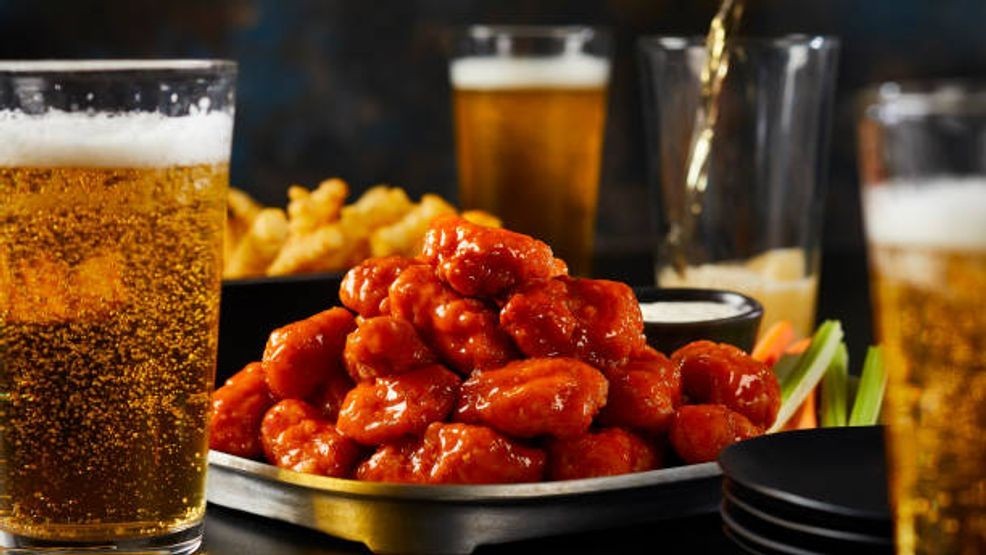
The judge also noted that Buffalo Wild Wings offers menu items such as cauliflower wings, which also do not contain actual wing meat, reinforcing his view that the term “boneless wing” is not deceptive. File photo: Getty Images.
But U.S. District Judge John J. Tharp Jr. sided with the restaurant, dismissing the case in a 10-page opinion Tuesday. Tharp said a reasonable consumer would not be misled by the term “boneless wings.” He noted that the phrase has been widely used in the restaurant industry for more than two decades and is understood to describe chicken breast pieces prepared like wings, not deboned wing meat.
“Words can have multiple meanings,” Tharp wrote, pointing out that the term “buffalo wing” refers to the sauce rather than indicating buffalo meat. He added that the plaintiff “did not ‘drum’ up enough factual allegations to state a claim.”
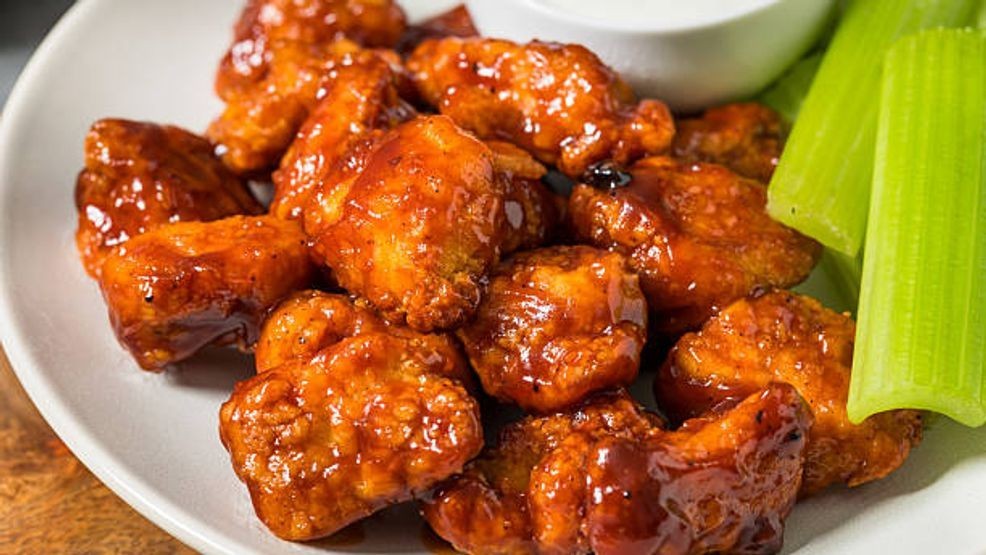
“Words can have multiple meanings,” Judge Tharp wrote, pointing out that the term “buffalo wing” refers to the sauce rather than indicating buffalo meat. He added that the plaintiff “did not ‘drum’ up enough factual allegations to state a claim.” File photo: Getty Images.
The judge also noted that Buffalo Wild Wings offers menu items such as cauliflower wings, which also do not contain actual wing meat, reinforcing his view that the term “boneless wing” is not deceptive.
Halim alleged the boneless wings are “more akin, in composition, to a chicken nugget rather than a chicken wing,” and argued that he would not have bought them had he known what they actually were.
In dismissing the lawsuit, Tharp said the plaintiff had standing because he plausibly alleged an economic injury, but he did not provide enough factual support to show that reasonable consumers were confused by the menu item’s name.
BE THE FIRST TO COMMENT
Halim has until March 20 to amend his complaint and try again, though the judge expressed doubt that he can offer additional facts to change the outcome.

 National Headline