Money, Riches and Wealth
6:00 pm - 7:00 pm
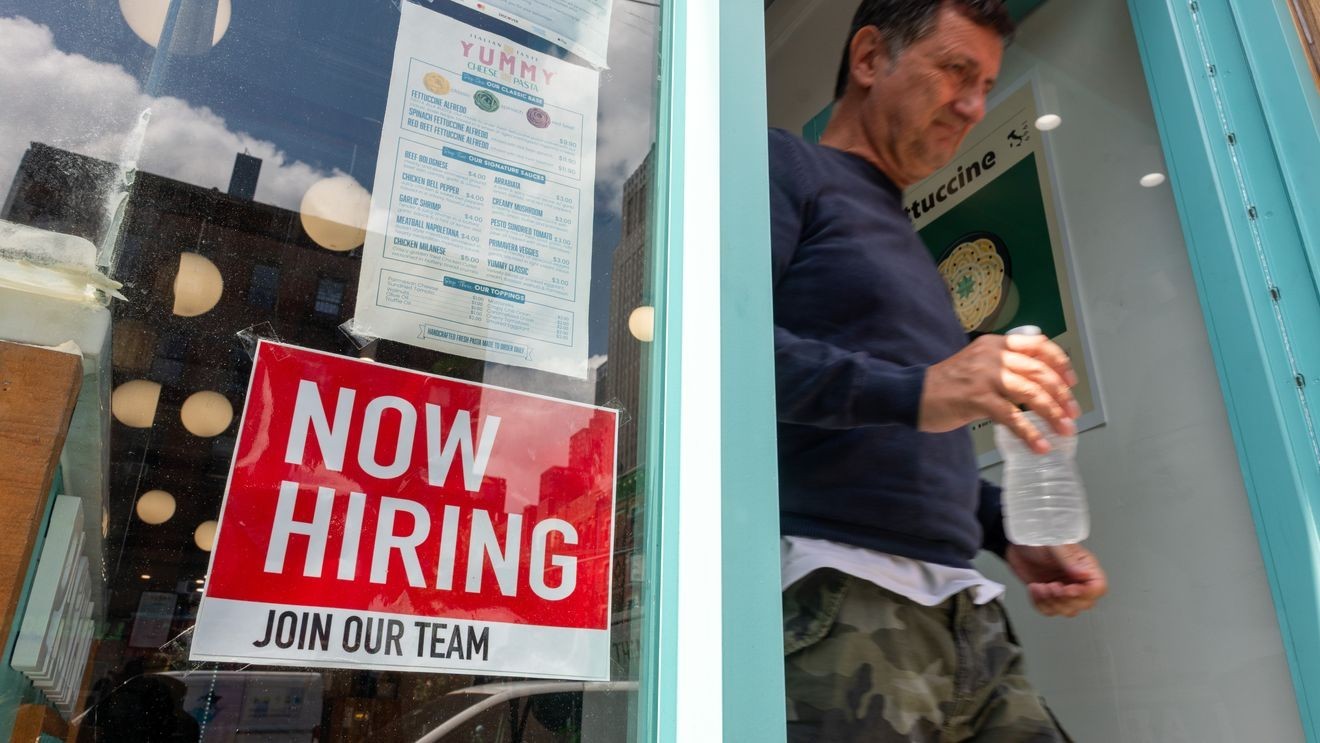
WASHINGTON (TNND) — January brought another slow month for hiring for private businesses with the labor market frozen in place over the last year that has kept most people in their jobs but created challenges for fresh graduates and people out of work to find employment.
Private-sector employers added just 22,000 jobs last month, according to payroll processor ADP. It was a slowdown from the previous month’s total of 37,000 that was also revised lower from an original estimate of 41,000.
January’s figures are another weak showing for a labor market that stumbled into 2026 after the worst year for job growth in more than a decade outside of the pandemic year of 2020. Employers have been in a holding pattern for more than a year in a low-hire, low-fire environment that has kept unemployment contained about also struggled to add new positions despite solid economic growth.
Wages were mostly steady from December, with people who stayed in their jobs seeing a 4.5% bump. Workers who changed jobs saw a 6.4% increase, down from 6.4% in December.
“While we’ve seen a continuous and dramatic slowdown in job creation for the past three years, wage growth has remained stable,” ADP chief economist Nela Richardson said.
By establishment size, small businesses with 20-49 employees posted the greatest losses with 30,000 jobs being cut. That was offset by a gain of 30,000 by businesses with 1 to 19 employees. Large businesses, classified as having 500 or more employees, also shed 18,000 positions. Mid-sized companies gained a total of 41,000 jobs.
Professional and business services had the biggest loss by sector with a loss of 57,000. Information companies also dropped 5,000 jobs. Both have been vulnerable to disruptions from artificial intelligence and a recent string of corporate restructuring initiatives as businesses look to cut costs.
Manufacturing continued its string of losses with 8,000 jobs cut during January, adding to a slow and steady decline for the industry. The sector has lost jobs every month since April, when Trump unveiled his “Liberation Day” tariffs, according to Labor Department data. The tariffs have protected some manufacturers from foreign competition but also raised prices for others with global supply chains. Higher interest rates and a slowdown in spending on goods have since the pandemic have also weighed on the sector.
Education and health services was the biggest creator of jobs with 74,000 positions, while financial services added 14,000 and construction grew by 8,000. Health care and social-assistance were also the fastest-growing sectors of the economy as measured by the Labor Department in 2025.
Government data on the January employment situation that was set to be released Friday has been delayed by the short-lived partial government shutdown that ended on Tuesday. Federal data is more closely watched by economists and the Federal Reserve because it is more encompassing than private measures of employment.
Economists are forecasting 60,000 jobs added when the January employment report is released with unemployment steady at 4.4%.
Whether the weakness in hiring will normalize has partially driven the divide among Federal Reserve officials on whether to continue cutting rates. The Federal Open Markets Committee left the benchmark rate unchanged at a range of 3.5% to 3.75% in January with all but two members voting in favor of holding with most officials wanting to wait and see how the three cuts to finish 2025 filter through the economy.
The FOMC’s post-meeting statement shifted its language on the labor market as facing less downside risks as officials see signals of stabilization in hiring and layoffs, a signal they are not as concerned about a rapid downturn for the labor market. They are trying to strike a balance between bringing down inflation that is above its target without putting additional strain on employment.
Economic data has not helped bridge that divide with hawks seeing stubborn inflation stuck around 3% and officials concerned about further employment deterioration seeing slowing hiring and risks of layoffs if fiscal policy doesn’t encourage more spending and investment.
Fed governor Christopher Waller, who dissented from the decision to hold, said in a statement after the meeting that the labor market is weak and the policy rate had not yet reached a neutral level where it does not encourage or constrain growth. He also said that last year’s weak hiring numbers are likely to be revised lower to show there was essentially no growth in employment.
“First, in contrast to the continued solid growth in economic activity, the labor market remains weak. Despite ticking down in its most recent reading, the unemployment rate has risen since the middle of last year,” Waller said. “Let this sink in for a moment—zero job growth versus an average of almost 2 million for the 10 years prior to 2025. This does not remotely look like a healthy labor market.”
Kevin Warsh, a former Fed governor who Trump has nominated to be the next chair once Jerome Powell’s term expires in May, has said he wants to lower interest rates but will walk into an FOMC that is largely skeptical about the need to with robust growth, historically low unemployment rates and heightened inflation.

 National Headline