LOS ANGELES (TNND) — A new study from the Hotel Association of Los Angeles County (HALA) suggests that a phased-in minimum wage increase in Los Angeles is creating significant financial pressure on the region’s hotel industry, leading to rising costs for guests, staffing challenges, as well as concerns about long-term economic impacts.
The research, which surveyed hoteliers and analyzed industry data, comes as the city continues to phase in a minimum wage that gradually rises above the California state rate to meet local cost-of-living benchmarks.
The survey was conducted in February by Hospitality Education and Research Organization (HERO), a project of HALA. It found that hotels lost 6 percent of jobs following the implementation of the Hotel Worker Minimum Wage Ordinance in September 2025.
Los Angeles Mayor Bass signed the ordinance into law just a few months prior in May.
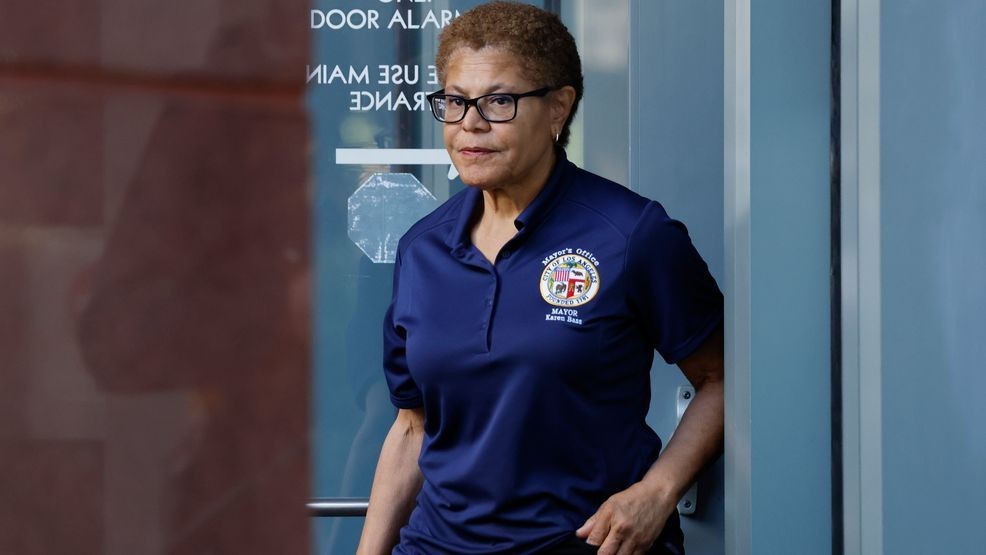
FILE – Los Angeles Mayor Karen Bass prior to speaking to media in support of journalist Don Lemon outside federal court on Jan. 30, 2026 in Los Angeles. (Photo by Mario Tama/Getty Images)
Now, according to the study, 62 percent of surveyed hotels said they plan to reduce staff hours during 2026, with 14 hotel restaurants expected to close in the next year.
It also noted that mandated labor costs are projected to rise nearly 90% between 2024 and 2028, and 58% of hotels expect to be unprofitable by the end of 2026.
“The bottom line is the city of Los Angeles has forced a wage and benefits package on hotels that is utterly unaffordable at a time when Californians and Americans are laser focused on affordability,” HALA President Dr. Jackie Filla told Fox News Digital earlier this week.
The media outlet also noted that the ordinance already resulted in a pay increase of $22.50 per hour in July 2025, adding that it will continue to increase incrementally until it reaches $30 by July 2028.
With minimum wage rates in Los Angeles now among the highest in the nation, many properties — especially smaller and independent hotels — said they are struggling to absorb the additional labor costs without cutting hours, reducing staff, or raising prices, per the survey.
The study found that many hotels have already raised room rates and ancillary service prices to offset higher labor costs. Researchers note that while some price increases reflect broader inflationary trends, the wage hike is a significant contributing factor, especially at budget and mid-price properties.
Travel industry analysts said higher hotel prices could ultimately affect tourism demand, particularly among cost-sensitive visitors.
To manage rising payroll costs, some hotels are accelerating investments in automation and technology, such as mobile check-in kiosks, self-service food and beverage options, and digital concierge services. While these changes are aimed at improving efficiency, critics argue they may reduce employment opportunities for entry-level workers.
While higher wages have increased earnings for some employees, the study notes that overall hours worked have declined at certain properties, raising questions about net income gains for staffers. Some workers reported reduced shifts or fewer benefits as hotels adjust staffing levels in response to higher costs.
The Los Angeles minimum wage increase was designed to reflect the city’s high cost of living and provide better pay for low-wage workers. Supporters of the policy argue that higher wages improve quality of life and reduce poverty.
However, the HALA study adds to a growing body of research suggesting that steep, rapid wage increases can have unintended consequences for employers and consumers in sectors sensitive to labor costs.

 National Headline