The Alex Marlowe Show
7:00 pm - 8:00 pm
WASHINGTON (TNND) — Democrats’ struggles with the party’s reputation continue to weigh on its standing with voters, but they still hold an advantage over Republicans ahead of the midterm elections to control Congress.
New NBC polling released this week found just 30% of voters view the Democratic Party positively, compared to 52% who view it negatively. Republicans, who are facing historical headwinds in hanging onto their slim majorities, fare slightly better with 37% of voters viewing the party positively and 51% who view it negatively. Republicans currently hold a narrow edge in both chambers, leaving little room for defections on votes and amplifying the stakes of the midterms.
But Democrats hold a 50-44 advantage over which party Americans would prefer to have control of Congress. The disconnect underscores an electorate fed up with both parties but wanting change from the one currently in charge.
“The American public is kind of tired of both parties, but Republicans are the ones in charge, so they’re going to get punished this time,” said Alison Dagnes, a political science professor at Shippensburg University. “If the Democrats get into power again, they’ll be the ones punished next time.”
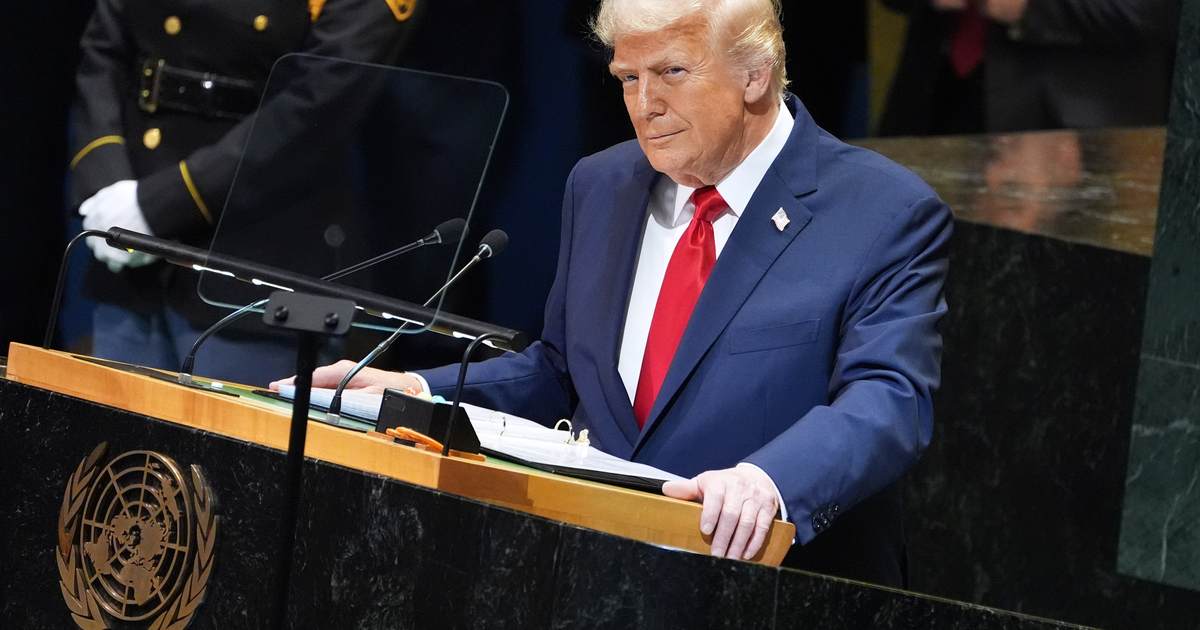
Voters have soured on President Donald Trump and Republicans over the last year, with both now holding approval ratings well underwater, particularly on issues like the economy, inflation and immigration. Forty-four percent said they approve of the job Trump is doing as president, in line with other surveys. A rolling average of Trump’s approval rating by the New York Times sits at 42%, an 11-point drop since he returned to office in January of 2025.
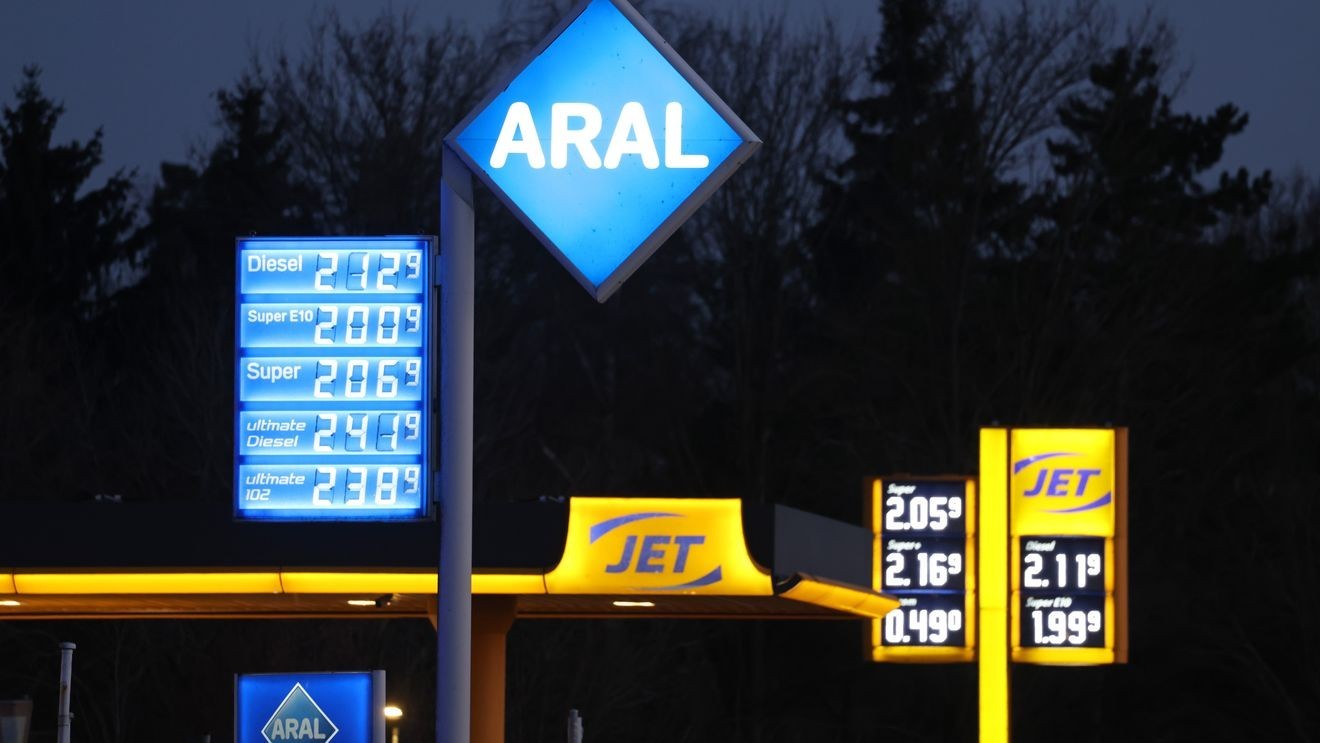
Republicans are heading into election season with a president whose approval ratings are slumping and a war in Iran that has been broadly unpopular with the electorate. Gas prices have quickly climbed 52 cents a gallon on a national average since the conflict started last weekend, adding to cost of living concerns that have favored Democrats since shortly after Trump took office.
The cost of living has been the top concern for voters after years of inflation running above 2% that has pushed household budgets and driven frustration toward Washington. Inflation has slowed in recent years but prices are still elevated compared to before the pandemic.
The findings are consistent with other recent polling, with Democrats’ approval ratings hitting record lows in the aftermath of the 2024 election losses that sent Trump back to the White House with Republican majorities in both chambers of Congress. Some of the party’s reputational issues stem from its own voters who have soured on Democrats’ perceived failures to stop Trump and Republicans from implementing their agenda.
Midterms have historically favored the opposing party to the White House, giving Democrats a chance to split closely divided chambers. The party is favored to retake control of the House by most election forecasters, but the Senate is a longer shot due to the map for this year that provides fewer opportunities for flips.
Democrats retook the House in the 2018 midterms during Trump’s first term in office and followed it by winning the White House and both chambers of Congress in 2020. Republicans flipped the House in the 2022 midterms and gained full control of Congress in 2024. The frequent shifts underscore how often control has changed over the last 10 years as voters reverse course within a single election cycle.
Off-year and special elections over the last six months have been a boon for Democrats with wins of GOP-leaning seats in statehouses, commission seats and the flip of Virginia’s governor’s mansion. Affordability and the cost of living have emerged as leading themes and issues Democrats have emphasized on the federal level.
The recent swings show an electorate driven by broader frustrations about the country’s direction, with many Americans having little trust in either party to correct course.
“We are going to keep swinging back and forth, because the American public is operating on a lot of vibes, not a shared commitment to fact, and whoever is in power is going to get the blame for the bad vibes as they come,” Dagnes said.
It comes as Americans have increasingly lost faith in the government to operate and are getting angrier about it. The nation has struggled to overcome its issues with bitter polarization that has ramped up threats to lawmakers and their families, spurred more congressional dysfunction and led to swings in the electorate between parties.
Voters are more pessimistic about the country’s ability to overcome its divisions to solve many of the issues it is facing as tight majorities in Congress lead to challenges completing basic tasks like keeping the government open. Members of Congress have frequently cited dysfunction in Washington and an inability to get things done as retirements have piled up at a record pace.

 National Headline