(TNND) — The Minnesota agency overseeing childcare centers said allegedly bogus businesses featured in a viral video from independent journalist Nick Shirley were found to be operating as expected last week.
The Minnesota Department of Children, Youth, and Families released the update a week after Shirley posted the video on YouTube and claimed to uncover around $100 million in fraud at Somali-run childcare centers that weren’t actually serving any kids.
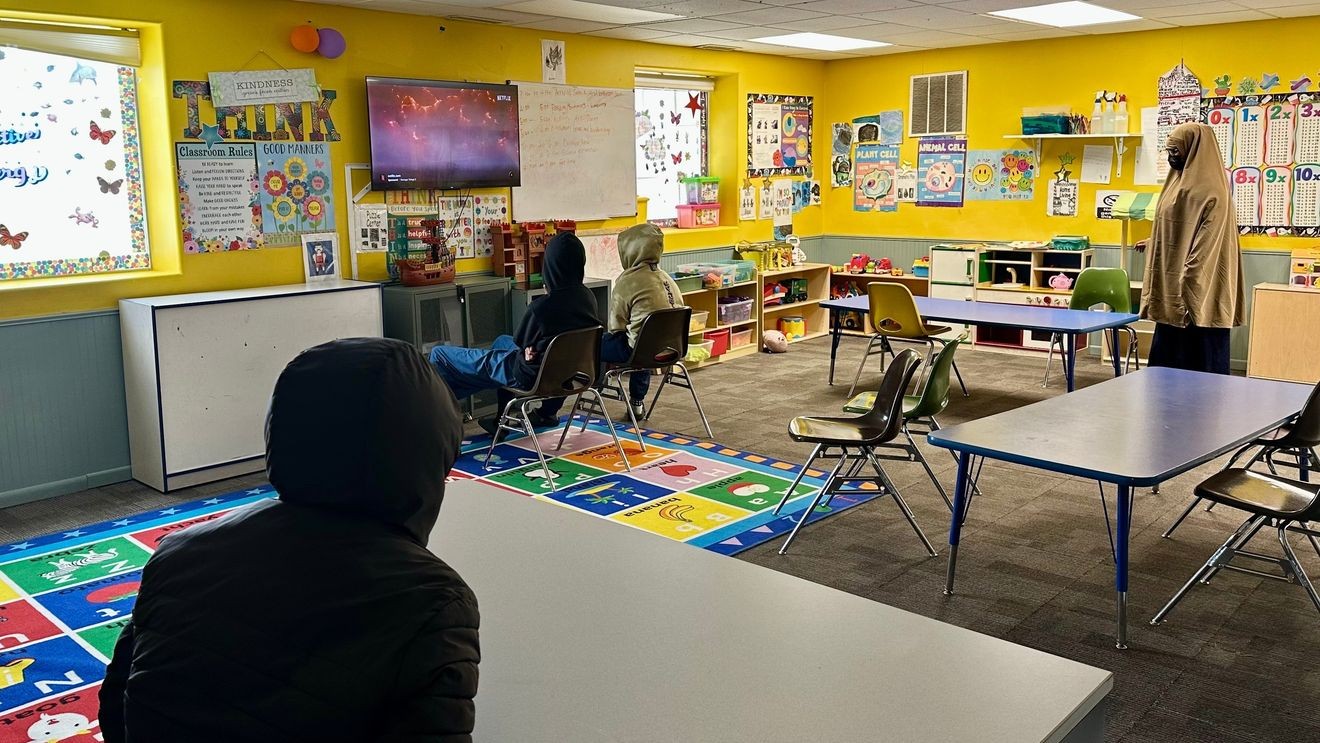
DCYF said its investigators were sent to nine centers referenced in the video.
Children were present at all sites except for one, the agency said. That final site wasn’t open for the day when inspectors arrived.
DCYF said it has ongoing investigations at four of the centers and 55 open investigations involving providers receiving Child Care Assistance Program, or CCAP, funding.
Investigations can range from a single compliance check to in-depth reviews, the agency said.
DCYF also released a list of CCAP funding received by the childcare centers referenced in Shirley’s video this fiscal year: Super Kids Daycare Center, $471,787; Future Leaders Early Learning Center, $3.68 million; Quality Learning Centers, $1.9 million; Tayo Daycare, $1.09 million; Minnesota Child Care Center, $2.67 million; Mini Child Care Center, $1.6 million; Sweet Angel Child Care, $1.54 million; ABC Learning Center, $1.04 million; and Minnesota Best Child Care Center, $3.4 million.
The agency said one mentioned business, the Mako Child Care Center, has been closed since 2022.
The claims made in Shirley’s video come amid ongoing formal, wide-ranging fraud probes in Minnesota.
Authorities say fraudsters have claimed billions of federal dollars, taking money meant to care for children and other vulnerable citizens.
First Assistant U.S. Attorney Joe Thompson said during a Dec. 18 news conference that the state had flagged 14 high-risk Medicaid programs, suspended payments for those programs and ordered a third-party audit.
Thompson said those 14 programs in Minnesota have cost $18 billion since 2018, and he said there’s reason to believe that more than half of that amount was fraudulent.
Even though high-ranking officials within the Trump administration have given Shirley kudos for his work, federal law enforcement officials haven’t corroborated Shirley’s claims in the video.
A CNN reporter interviewed Shirley in the field last week, asking him how he knew his claims were valid.
“How do I know that they’re true?” he responded to the CNN correspondent. “Well, … we showed you guys what was happening, and then you guys can go ahead and make your own analysis.”
Shirley said he encountered locked childcare centers with blacked-out windows and no kids around.
Skeptics of Shirley’s claims have said childcare centers are locked for safety, and they question whether he visited during normal operating hours.
Shirley told CNN that he went about 11 a.m. one day to a childcare center and “later” the next.
“The point of it is not whether or not I came at the right, at the right time of their operation hours,” he told CNN. “The point is that blacked-out doors. They can’t give you any information. You call that number? No one answers.”
Some fraud claims are simply allegations. Others have been proven.
And concerns over CCAP fraud go back years.
One business, Children’s Choice Center, pleaded guilty in a similar case in 2016 and was ordered to pay a fine and restitution.
In that case, state investigators set up surveillance cameras at one of the business’ childcare centers and found more kids were billed for through CCAP than those who actually attended.
Day after day during the surveillance periods in 2014 and 2015, 50, 60 even 70 more children were billed for than seen walking in the door.
SEE DOCUMENT: Below is a court document including the investigative findings from the 2015 case
Shirley said during an interview on the PBD Podcast that local journalists in Minnesota have been talking about the fraud, or alleged fraud, for years. Now, the story is reaching a national audience.
And, as a result, Health and Human Services Deputy Secretary Jim O’Neill announced his agency has frozen all childcare payments to Minnesota in an effort to root out fraud.
Federal officials say their efforts are targeted specifically at bad actors to protect both taxpayers and kids.
The Administration for Children & Families, an operating division of HHS, provides Minnesota $185 million in childcare funds each year.
An HHS spokesman said a more stringent federal verification process – requiring details like attendance records, licensing, inspections, monitoring reports, complaints and more – would help weed out fraud.
The payments being frozen come from the Child Care and Development Fund.
Those federal funds contribute to the CCAP, which is a state-federal partnership that supports affordable childcare for 23,000 children in Minnesota.
Counties administer CCAP funds in Minnesota.
Clare Sanford, the government relations chair for the Minnesota Child Care Association, a statewide association representing licensed childcare centers, said freezing federal funds has caused confusion and fear among childcare centers throughout the state.
Legitimate businesses are unsure if they’ll be swept up in the crackdown.
A DCYF communication sent to childcare providers, also late last week, seemingly did little to ease their anxiety.
“There’s still immense fear about that, because there’s still no clarity,” said Sanford, who also works for New Horizon Academy, a Minnesota-based childcare business operating in multiple states.
She said many centers, not just those accused of fraudulent activity, are also reporting a “major show of force” by law enforcement teaming with CCAP investigators.
“Obviously, if additional requirements are put on the state to supply things to the federal government, at some point we would expect providers to be asked to provide additional things to the state, but that hasn’t happened yet,” she said.

 National Headline