Money, Riches and Wealth
6:00 pm - 7:00 pm
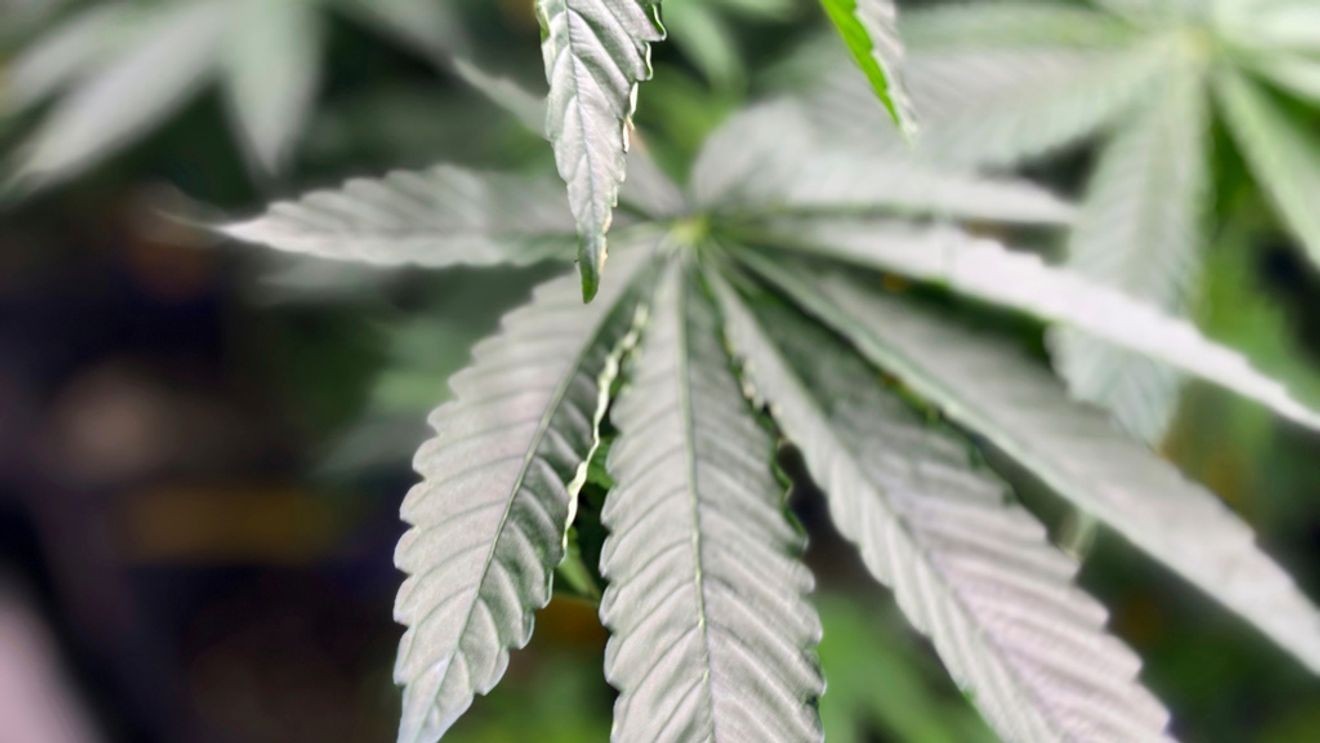
WASHINGTON (TNND) — The New York Times editorial board backpedaled its more than decade-old stance that legalizing marijuana “would bring few downsides,” and that it’s a “harmless drug that might even bring net health benefits.”
“The unfortunate truth is that the loosening of marijuana policies — especially the decision to legalize pot without adequately regulating it — has led to worse outcomes than many Americans expected,” the opinion board wrote in a piece titled “It’s Time for America to Admit That It Has a Marijuana Problem.
“It is time to acknowledge reality and change course.”
In 2014, the Times published a six-parts series arguing for a repeal on the federal marijuana ban, comparing the government’s treatment of cannabis to the prohibition on alcohol in the 1920s. The Times admitted that not all of their arguments in support of decriminalizing marijuana have stood the test of time.
“At the time, supporters of legalization predicted that it would bring few downsides. In our editorials, we described marijuana addiction and dependence as “relatively minor problems,” the Times wrote, noting that legalization wouldn’t lead to greater use.
“It is now clear that many of these predictions were wrong,” the Times wrote.
The Times referenced the National Survey on Drug Use and Health, showing that 18 million people in the United States use marjuna on an almost daily basis. The survey reflects a 12 million jump in Americans who engaged in daily use in 2012.
In addition to seeing a jump in users, the Times pointed out that the perception of marijuana being a “harmless drug” with no addictive features was false. The editorial board pointed out how many heavy users began to develop cannabinoid hyperemesis syndrome, which causes vomiting and stomach pain. Some habitual users have also developed marijuana-linked psychosis and chronic psychotic disorders such as bipolar disorder.
And the alleged health benefits of marijuana use for medical issues like anxiety don’t hold up, sourcing research studies.
“Yet many dispensaries claim, without evidence, that marijuana treats a host of medical conditions,” the Times wrote. “The government should crack down on these outlandish claims. It should issue a clear warning to dispensaries that falsely promise cures and then close those that do not comply.”
Although critical of the current federal regulation of marijuana; the New York Times is opposed to returning to an outright ban, opting instead for a regulation model mirroring alcohol and tobacco use. The board calls for a federal tax on marijuana, and putting a cap on THC levels in marjuana products, and taking serious action on medical marijuana.
“The larger point is that a society should be willing to examine the real-world impact of any major policy change and consider additional changes in response to new facts,” the board wrote. “In the case of marijuana, the recent evidence offers reason for Americans to become more grudging about accepting its use.”
The opinion piece comes as the Trump administration is seeking to reschedule marijuana from a Schedule I to Schedule III substance. President Donald Trump signed an executive order for the drug’s rescheduling last December.

 National Headline