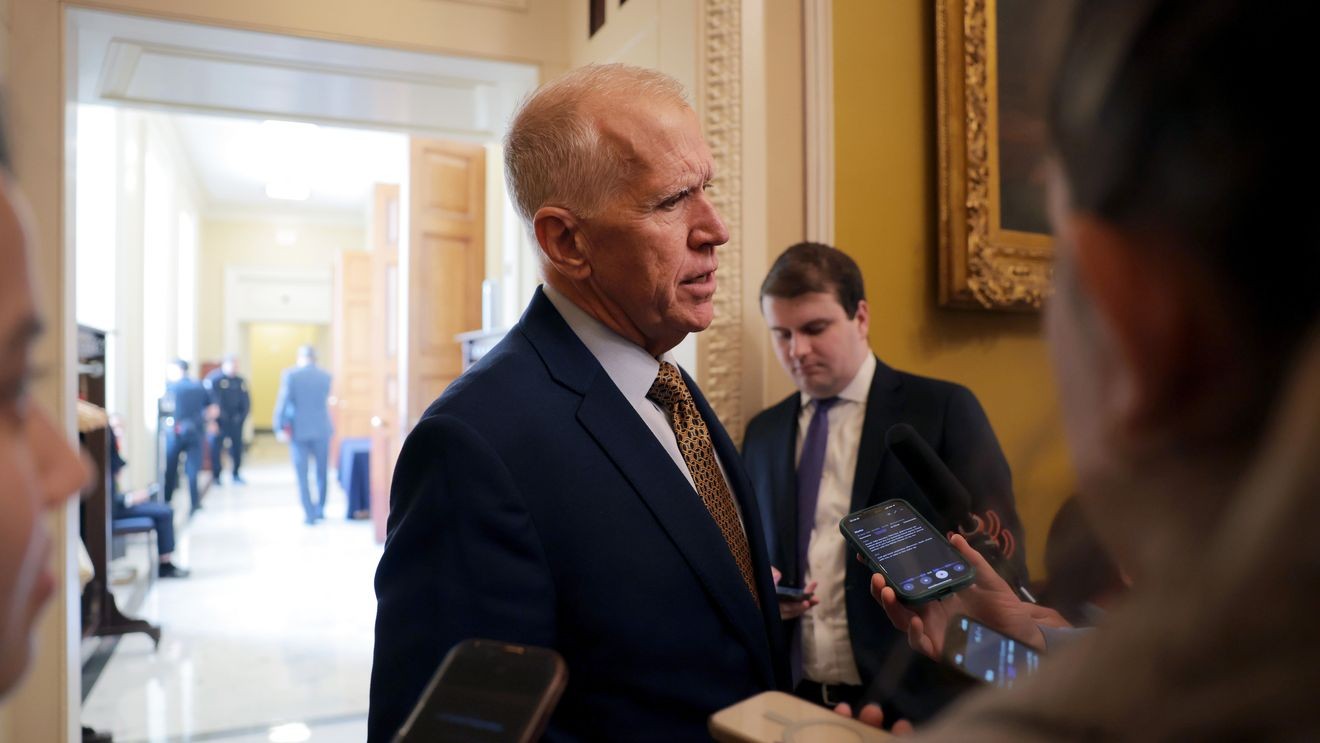
WASHINGTON (TNND) — Secretary of State Marco Rubio faced pointed questions from lawmakers on Wednesday as he defended the Trump administration’s operation to remove Venezuelan leader Nicolás Maduro and warned that additional military force remains an option if the country’s interim leadership fails to cooperate with the United States.
Testifying before the Senate Foreign Relations Committee, Rubio said the United States is not at war with Venezuela but made clear President Trump is prepared to act if U.S. objectives are undermined. (TNND)
Testifying before the Senate Foreign Relations Committee, Rubio said the United States is not at war with Venezuela but made clear President Trump is prepared to act if U.S. objectives are undermined. “We want to reach a phase of transition where we are left with a friendly, stable, prosperous and democratic Venezuela,” Rubio told senators.
The hearing marked Rubio’s first public testimony since a U.S. military operation earlier this month led to the capture of Maduro. Rubio argued Maduro’s removal was essential to making progress on long-stalled reforms. “He was an impediment to progress,” Rubio said, citing the release of political prisoners, reforms to Venezuela’s oil industry and the reduction of Iranian, Russian and Chinese influence in the country.
While lawmakers from both parties praised the military’s execution of the operation, Democrats sharply criticized the administration for failing to consult Congress beforehand. Sen. Chris Coons of Delaware said committee members were previously told military action was not being considered, even as preparations were underway. “If there was time to practice, there was time to consult,” Coons said.
Rubio said the mission could not be briefed earlier because it was not considered feasible until late December.
The secretary also outlined an interim plan for Venezuela’s heavily sanctioned oil sector. Under the proposal, proceeds from oil sales would be tightly controlled by the United States and used to fund basic government operations and long-term refinery reforms. Rubio described the plan as temporary and said Venezuelan officials have been cooperative.
Beyond military and economic issues, Rubio confirmed the administration is moving to reestablish a U.S. diplomatic presence in Venezuela, including reopening the U.S. embassy and appointing an ambassador for the first time since 2019.
After the hearing, Rubio met at the State Department with Venezuelan opposition leader Maria Corina Machado, who is seeking U.S. backing as Venezuela charts a political transition. Rubio and President Trump have so far stopped short of formally endorsing her.
Another flashpoint during the hearing was the decision to temporarily leave Maduro’s vice president, Delcy Rodríguez, in power. Rubio said the move is aimed at maintaining short-term stability, though Democratic Sen. Chris Murphy warned the lack of a clear transition timeline risks undermining the administration’s goals.
Rubio said a full transition cannot take “forever,” but cautioned it has been less than four weeks since Maduro’s removal. He said clearer answers would come once U.S. personnel are fully established on the ground.

 National Headline