WASHINGTON (TNND) — In a Senate hearing on Wednesday with executives from Tesla and Waymo, lawmakers appeared bullish on the future of autonomous vehicles in the United States and signaled they’re eager to modernize regulations to foster safer technology and outcompete China. Getting the American public onboard with this novel mode of transportation will be its own battle entirely.
The Senate Commerce Committee is considering reauthorization of the nation’s surface transportation programs and has been lobbied by industry leaders to create a national framework for autonomous vehicles that include standards aimed to, in part, build public trust. (TNND)
A poll by AAA last year found only 13% of drivers trusted self-driving vehicles. A whopping 61% said they were afraid of them and 26% were unsure.
That trepidation about this emerging technology was nowhere to be found during Wednesday’s hearing before the Senate Committee on Commerce, Science and Transportation titled “Hit the Road, Mac: The Future of Self-Driving Cars,” led by Sen. Ted Cruz, R-Texas.
“Like it or not, they’re here. And they will be central to the future of roadways,” Cruz said.
Sen. Cynthia Lummis, R-Wy., said she is “super excited” about autonomous vehicles and the protections they could afford drivers in her home state, where long drives are part of everyday life.
“I’m quickly entering the era when I might be a little old lady who wants the freedom to still be able to drive when maybe she should not. And I just want a button in a car that if I don’t know where I am, or I’m not as sharp as I was behind the wheel, that I can push a button in the car that says ‘grocery store’ and another button that says ‘home,'” Lummis said.
The committee is currently considering reauthorization of the nation’s surface transportation programs and has been lobbied by industry leaders to create a national framework for autonomous vehicles that includes standards aimed to, in part, build public trust.
“We are no longer alone in the quest to have self-driving vehicles. We now have strategic competitors, most notably the People’s Republic of China, that are bound and determined to be the global leaders when it comes to autonomous vehicles. But without a federal policy framework, we are asking our innovators to fight with one hand behind their back,” said Jeff Farrah, CEO of the Autonomous Vehicle Industry Association.
Setting national standards than can be effectively upheld by the National Highway Traffic Safety Administration is much easier said than done. As Ranking Member Sen. Maria Cantwell, D-Nev., pointed out, NHTSA saw major staffing cuts by the Trump administration’s Department of Government Efficiency last year.
Those efforts, coincidentally, were led by Tesla CEO Elon Musk, whose ambitions for his company’s autonomous technology may now rely on the manpower of this federal agency.
“At one point last year, the office of automation just had four people,” Cantwell said.
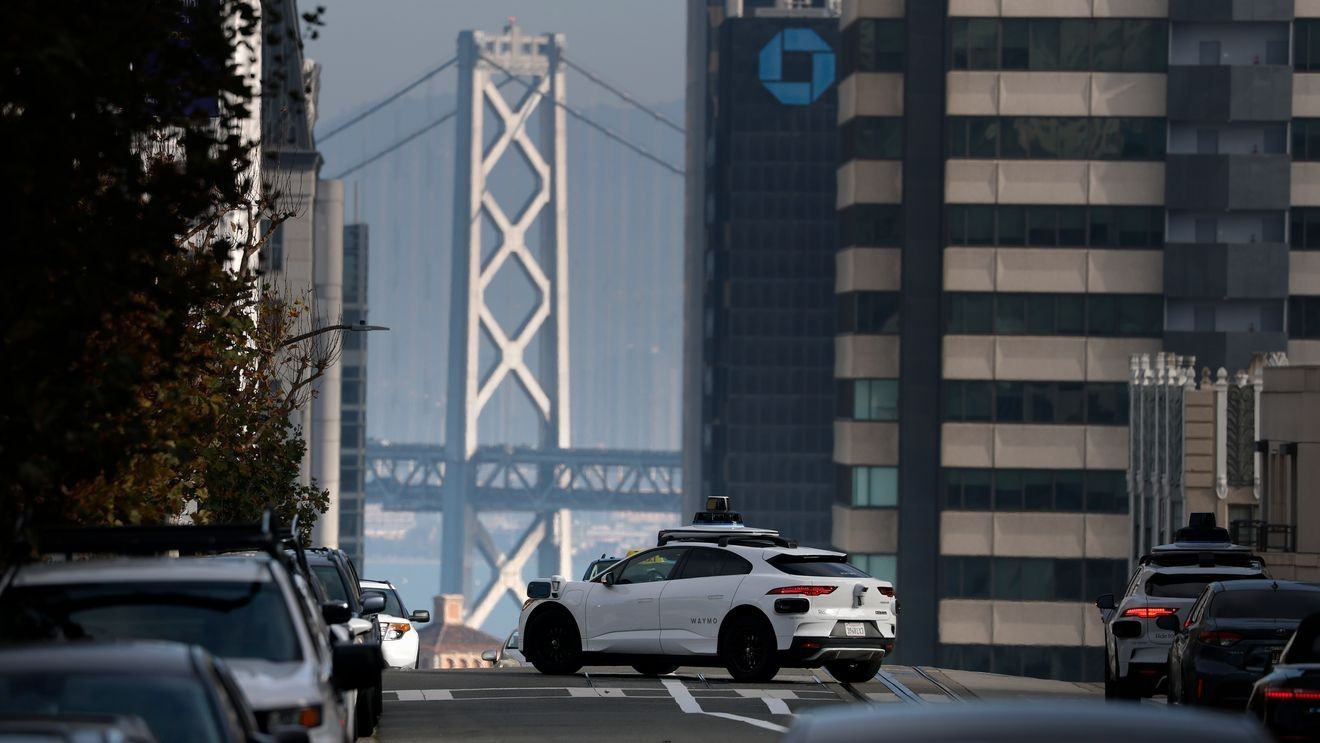
Despite high-profile traffic violations and incidents involving pedestrians, Waymo Chief Safety Officer Mauricio Peña told the committee their driving technology was less likely than a human driver to be involved in a crash. Waymo’s fully autonomous commercial service operates more than 400,000 rides per week across half a dozen cities, Peña said.
“We’re trying to overcome human error,” Farrah said.
Musk has gone even further, claiming self-driving cars are “essentially a solved problem at this point.” Tesla recently announced it will discontinue its Model S and X to dedicate more resources to its Cybercab operations and other artificial intelligence projects.

 National Headline