WASHINGTON (TNND) — Senate Majority Leader John Thune says the Senate will take up the SAVE America Act when lawmakers return to Washington next week, setting the stage for a high-profile debate over voter identification and election access ahead of the midterm elections.
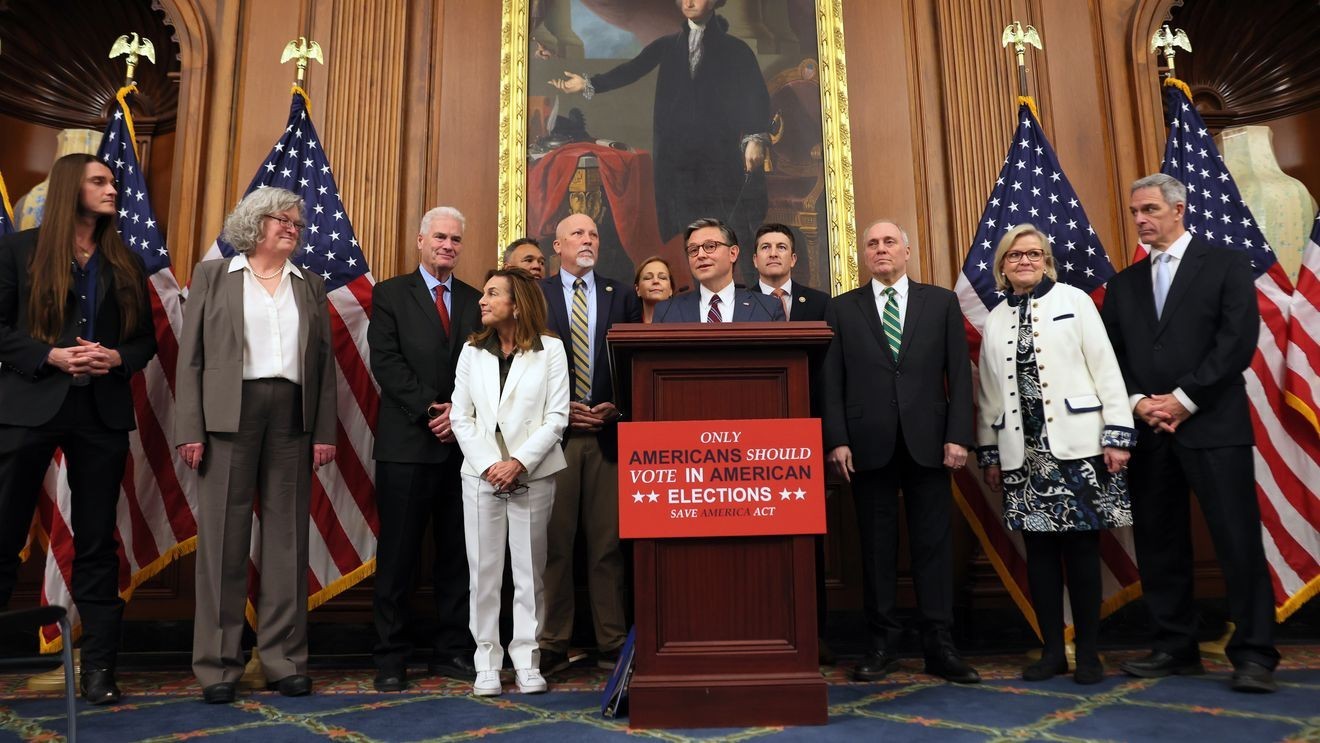
Republicans said they have secured the simple majority needed to advance the legislation after Sen. Susan Collins, R-Maine, announced her support.{ } (TNND)
Republicans said they have secured the simple majority needed to advance the legislation after Sen. Susan Collins, R-Maine, announced her support. The bill would require voters to present government-issued photo identification at the polls and provide proof of U.S. citizenship when registering to vote in federal elections.
Supporters argue the measure would strengthen election integrity and restore public confidence in the voting process. Democrats, however, are lining up in strong opposition, warning that the proposal could disenfranchise millions of eligible voters by creating additional barriers to participation.
One of the central criticisms focuses on married women who have changed their last names. Rep. Lauren Underwood, D-Ill., argued that discrepancies between birth certificates and current legal names could prevent married women who change their names from meeting the bill’s documentation requirements, potentially impacting tens of millions of voters nationwide.
Republicans counter that the legislation includes safeguards designed to address those concerns. Rep. Chip Roy, R-Texas, one of the bill’s authors, says voters whose documents do not match would be allowed to sign an affidavit affirming their identity under penalty of perjury.
Senate Minority Leader Chuck Schumer has sharply criticized the measure, calling it discriminatory and arguing it would disproportionately affect low-income voters and communities of color. Schumer has compared the proposal to historical voter suppression efforts, warning that millions of Americans could lose access to the ballot under stricter ID requirements.
Republicans, however, point to Schumer’s past statements supporting identification requirements in other contexts. In a 1996 floor debate, Schumer argued that requiring documents such as a driver’s license and Social Security card was an effective way to verify eligibility for government benefits.
Public opinion appears to favor voter identification requirements. A Pew Research Center survey conducted last August found that 83 percent of Americans support requiring photo ID to vote. Thune says that level of support is a key reason Republicans want the bill brought to a vote, even if it ultimately falls short of the 60 votes needed to overcome a filibuster.
If the SAVE America Act fails to advance, President Trump has floated the possibility of addressing voter ID requirements through executive action.

 National Headline