Money, Riches and Wealth
6:00 pm - 7:00 pm
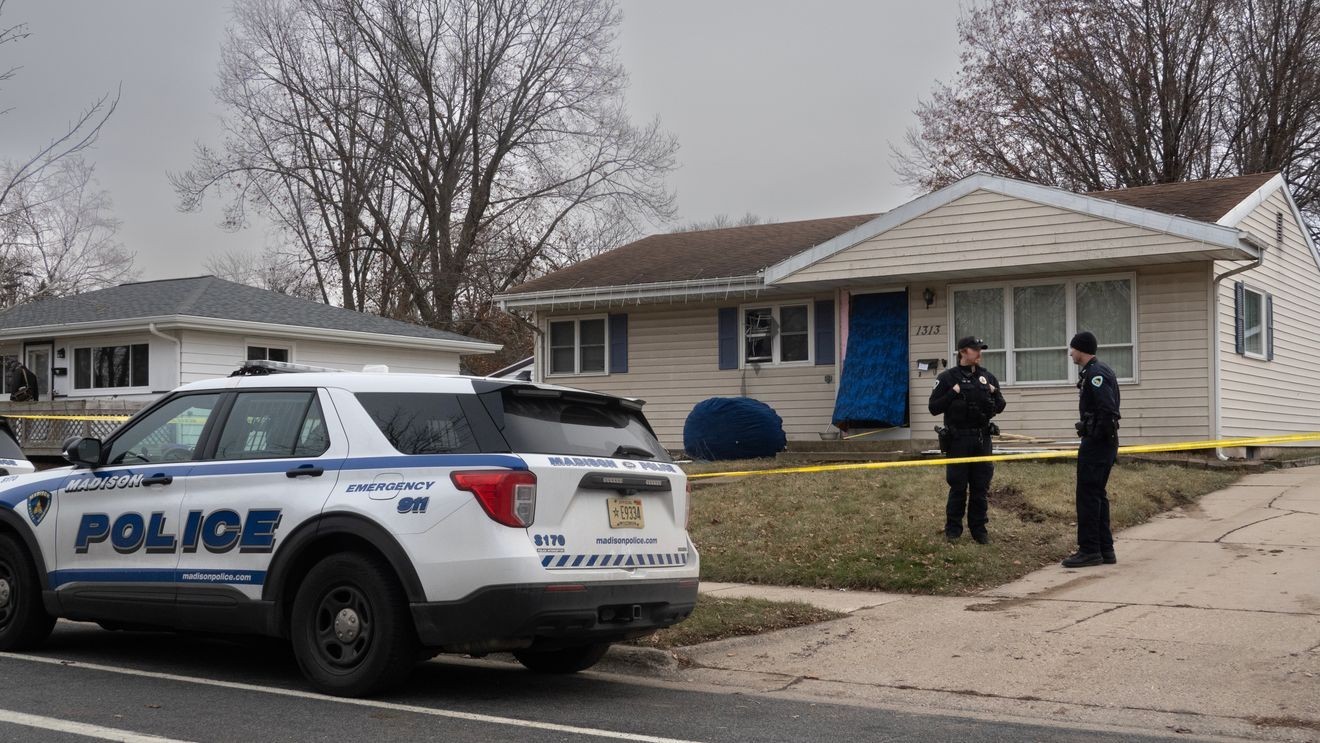
WASHINGTON (TNND) — The U.S. Supreme Court on Wednesday ruled that police officers may enter a home without a warrant under the Constitution’s “emergency-aid” exception — only when they have an objectively reasonable basis to believe someone inside is seriously hurt or faces an imminent threat.
The ruling reinforces limits on warrantless searches under the Fourth Amendment.
The decision came following Case v. Montana, a case arising from a confrontation between law enforcement and a Montana man after officers entered his home without a warrant during a welfare check.
The ruling addresses how much certainty police must have before invoking the emergency-aid exception, which allows officers to bypass the warrant requirement in urgent situations.
The case stemmed from a police response to a reported welfare concern involving William Trevor Case. Officers entered his home without a warrant, believing someone inside might be in danger. During the encounter, Case emerged armed and was shot by police. He was later convicted of assault on a peace officer.
Case challenged the warrantless entry, arguing it violated the Fourth Amendment, which generally protects against unreasonable searches and seizures inside the home. Montana courts upheld the officers’ actions, concluding the entry was justified under the emergency-aid exception.
The Supreme Court was asked to determine whether police must have probable cause that an emergency exists before entering a home without a warrant, or whether a lower standard — an objectively reasonable belief of an emergency — is sufficient.
In its opinion, the Court reaffirmed that the emergency-aid exception does not require probable cause in the traditional criminal sense, but does demand more than speculation or generalized concern. Officers must have specific, articulable facts supporting a reasonable belief that immediate action is necessary to protect life or prevent serious harm.
The Court emphasized that the exception is narrow and cannot be used as a pretext for investigation or routine entry into private homes.
The ruling provides guidance to courts and law enforcement nationwide on the constitutional boundaries of emergency responses, balancing public safety concerns with strong protections for the home under the Fourth Amendment.
Legal analysts said the decision clarifies when officers may act quickly to render aid while reinforcing that warrantless entries remain the exception, not the rule.
The case now returns to lower courts for further proceedings consistent with the Supreme Court’s guidance.

 National Headline