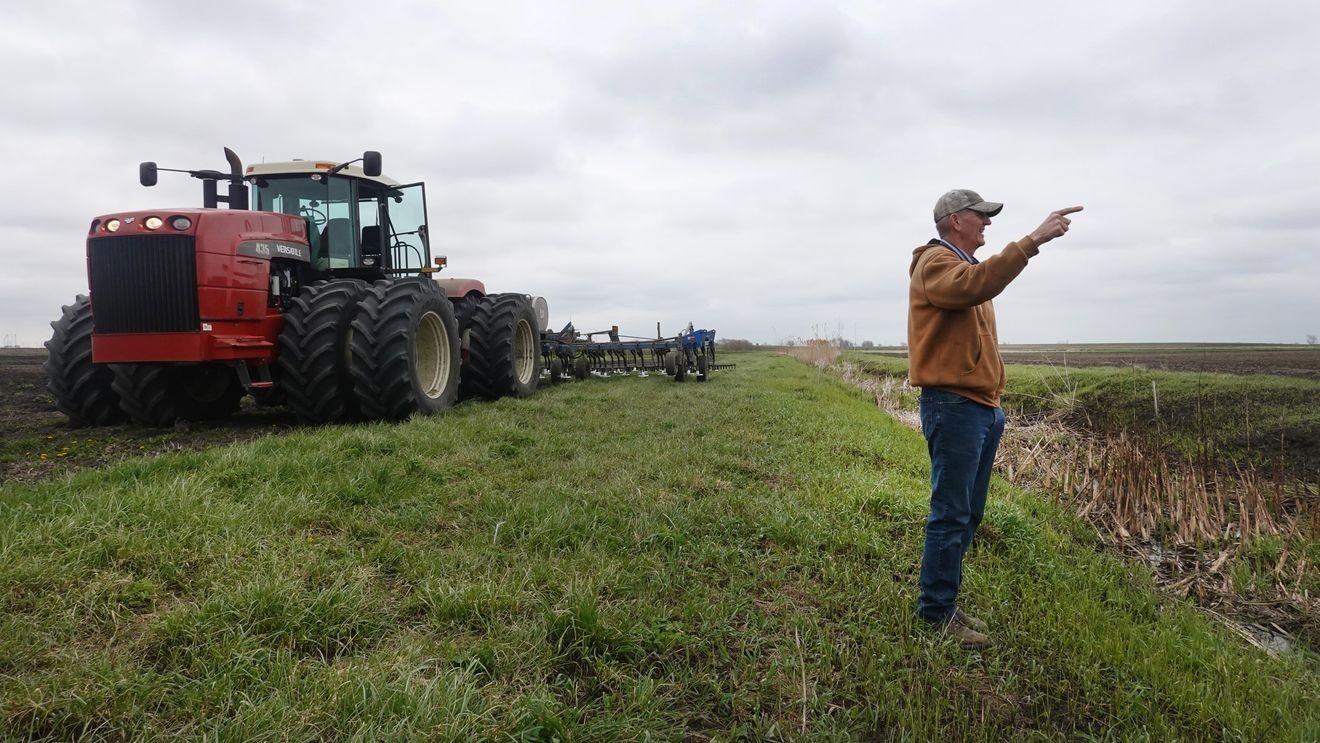
As farmers head into a critical planting season, disruptions in the Strait of Hormuz are adding new pressure to an already difficult farm economy, according to Corey Rosenberg, CEO of the Fertilizer Institute.
As farmers head into a critical planting season, disruptions in the Strait of Hormuz are adding new pressure to an already difficult farm economy, according to Corey Rosenberg, CEO of the Fertilizer Institute. (TNND)
Rosenberg told The National News Desk that planting season is a “very narrow window of a few months” when farmers can get crops in the ground, making fertilizer “really critical to getting those crops started.” He said farmers are also dealing with “very low, commodity prices,” and that any additional pressure makes conditions “very difficult.”
Rosenberg said many farmers planned by committing to their fertilizer needs in advance, and that much of that supply is already in inventory. But he said the remaining “last 20 to 25%” has not arrived in the United States yet and still must be imported.
He said about 40% of all urea must pass through the Strait of Hormuz, and that “there are dozens of vessels that are loaded and are not getting through.” Rosenberg said the industry estimates it needs about “two more million metric tons of urea” to meet spring demand, and that some growers are “starting to really scramble,” particularly those who did not make prior commitments and now need fertilizer.
Rosenberg said there are limited alternatives because fertilizer is “a requirement,” adding that fertilizer is responsible for about 50% of all crop yields.
JOIN THE CONVERSATION (1)
On potential impacts for consumers, Rosenberg said fertilizer is a globally traded commodity influenced by supply and demand, similar to oil and gas. But he said consumers would not see the effects immediately. Instead, he said the impact would come later in the year as the crop season continues through the fall and harvest results show how much yield was affected, influencing prices for food and other products made from crops such as corn, soybeans and cotton.

 National Headline