The Alex Marlowe Show
7:00 pm - 8:00 pm
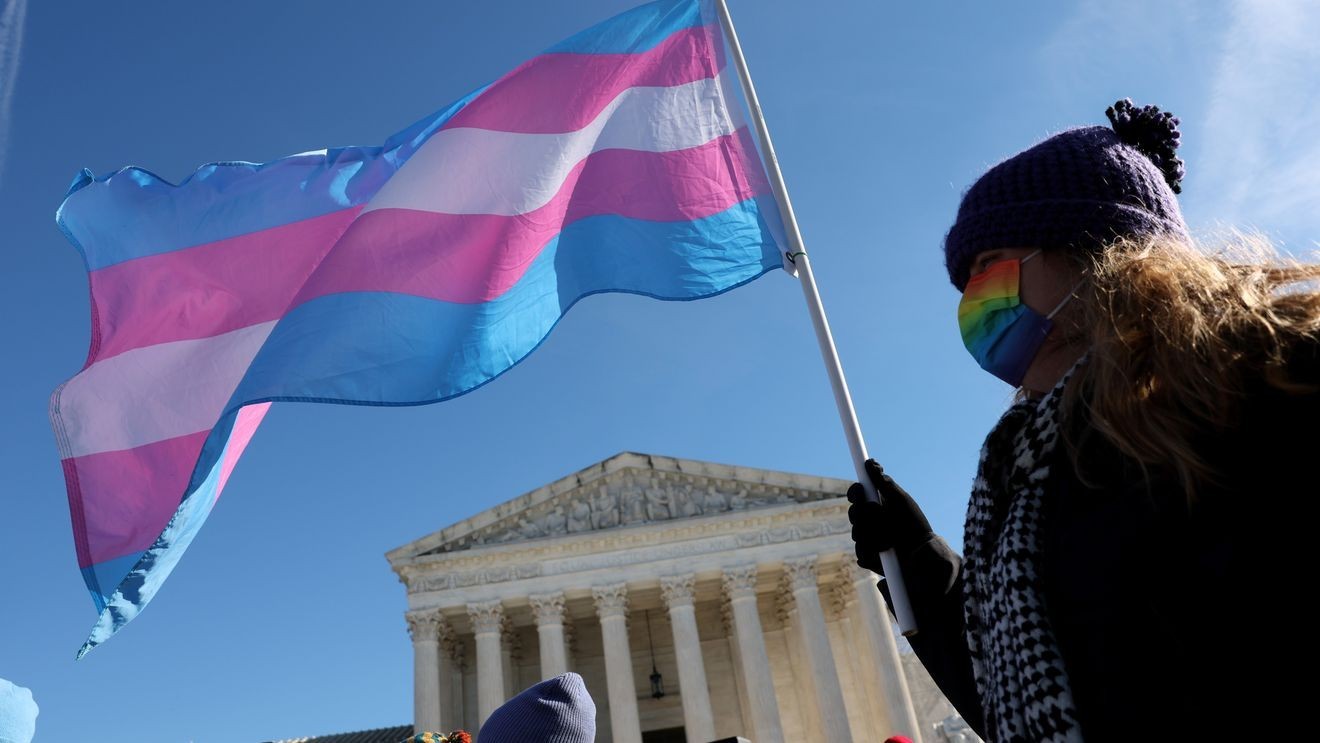

WASHINGTON (TNND) — On Tuesday, the Supreme Court will hear arguments in two closely watched cases from Idaho and West Virginia centered around whether these two states’ laws prohibiting transgender athletes from competing in women’s and girls’ sports are constitutional.
The cases before the justices stem from personal challenges brought by transgender athletes. In West Virginia, Becky Pepper Jackson, a high school student who competes in track and field events such as shot put and discus, sued the state in 2021 after being barred from girls’ teams. Becky has publicly identified as a girl since elementary school and has taken puberty blockers which prevented them from undergoing male puberty.
The Idaho case involves Lindsay Hecox, a former college runner who challenged her state’s ban in 2020 after being prohibited from trying out for women’s teams. Hecox later asked to withdraw from the case, saying they no longer wished to compete and didn’t like the attention the lawsuit brought them. However, Idaho officials have fought to keep the lawsuit alive.
Federal courts have blocked both laws, finding that they are in violation of federal civil rights protections. Now, West Virginia and Idaho’s attorney generals are asking the Supreme Court to reverse those rulings and allow the bans to take effect. The Court’s decision could influence similar laws passed in 25 other states.
Supporters of the bans argue that separating sports strictly by biological sex is necessary to preserve fairness and safety in women’s athletics. They argue that sex and gender identity are not interchangeable, particularly in competitive sports, and that allowing transgender girls to compete against biological girls could undermine equal opportunities for female athletes and undermine Title IX.
Medical research has shown that testosterone associated with male puberty typically leads to increased muscle mass, and larger hearts and lungs. Jackson’s legal team argues that these factors do not apply to them, as they never experienced male puberty and are on estrogen hormones.
The Trump administration has openly supported restrictions on transgender athletes. In February 2025, President Trump signed an executive order directing federal agencies to withdraw funding from schools that allow transgender athletes to compete in girls’ and women’s sports, framing the policy as a measure to protect fairness for female athletes. Shortly afterward, the NCAA announced it would bar transgender women from participating in women’s sports, ending years of attempts to balance inclusion with competitive equity.

 National Headline