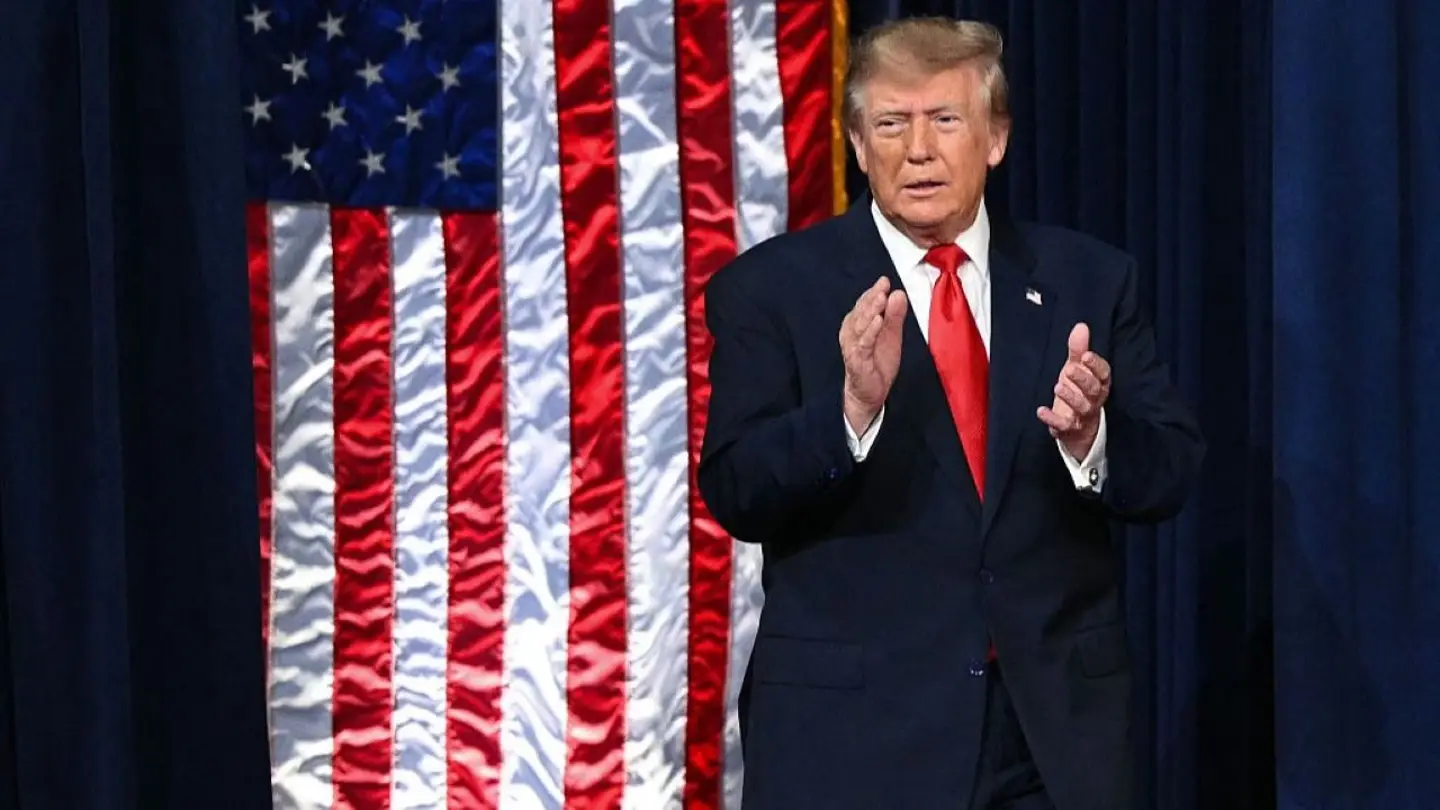
In tight battleground districts across the country, several GOP candidates are airing advertisements and taking policy stances that draw clear daylight between themselves and the White House.
Distance in Ad Campaigns:
Rep. Jen Kiggans (R-VA) is running ads labeling herself “one of the most bipartisan members of Congress,” explicitly emphasizing where she has bucked President Trump on issues like offshore wind policy.
Rep. Mike Lawler (R-NY) released an ad showcasing his willingness to fight both political parties, complete with a video clip of President Trump referring to him as a “pain in the a–” over local tax deduction negotiations.
Rep. Tom Kean (R-NJ) makes virtually no mention of President Trump or party branding on his campaign website, framing himself strictly as an “independent leader standing up for New Jersey.”
Policy Clashes:
The Iran War: A growing contingent of battleground Republicans—including Reps. Marianette Miller-Meeks (R-IA) and Tom Barrett (R-Mich.)—have broken ranks to vote for war powers measures or call for a swift end to U.S. involvement in the Middle East conflict.
Data Centers: Lawmakers like Barrett and Senate candidate Mike Rogers (R-MI) have opposed federal overreach regarding local data center expansion, pushing back against White House rhetoric on the issue.
Agricultural Policies: Iowa Representatives Miller-Meeks and Zach Nunn have opposed the administration’s plan to import foreign beef, with Nunn introducing bipartisan legislation to suspend the directive and protect domestic cattle producers.
GOP strategists note that distancing oneself from the top of the ticket during midterm election cycles is a standard political tactic for vulnerable incumbents, mirroring similar strategies used by Democrats during the 2022 midterms.
Official Statements:
Republican National Committee (RNC): Spokeswoman Natalie Baldessarre emphasized that the party remains unified behind key legislative goals—such as tax cuts and border security—while acknowledging that individual candidates must run localized races tailored to win their respective districts.
The White House: Administration officials maintain that President Trump remains the driving force and primary motivator for the Republican coalition, pointing to economic gains, tax policy, and job growth as the primary issues defining the election.

 National Headline