
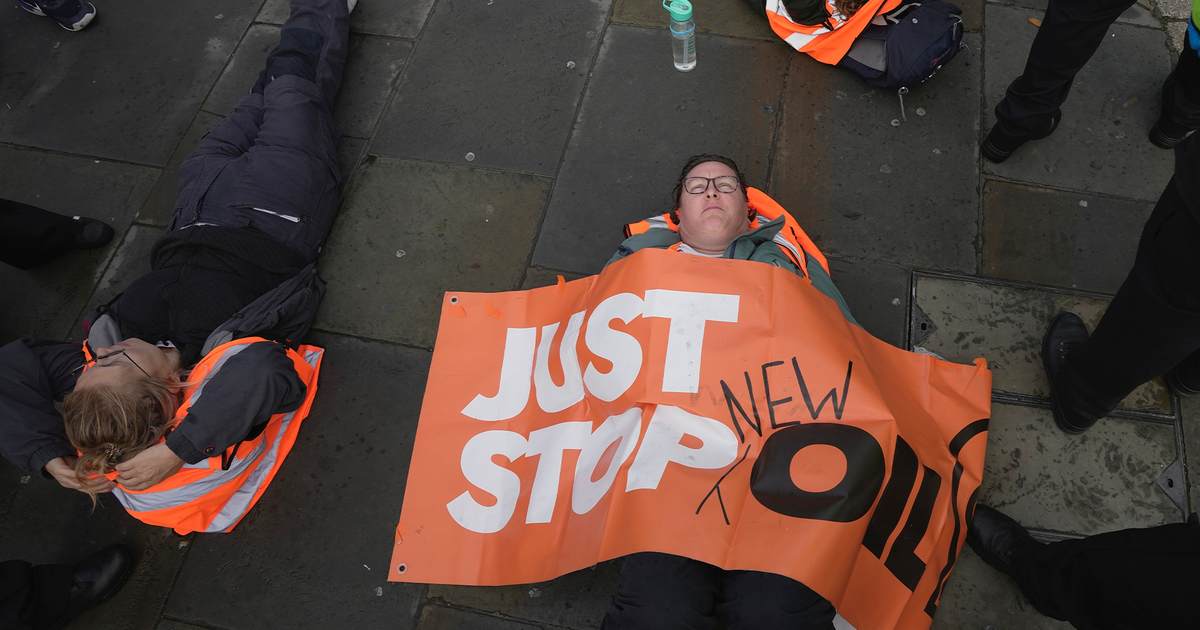
To many people, the growing backlash against data centers feels familiar. It resembles the anti-fossil-fuel movement that spent decades portraying domestic energy production an inherent threat to communities and the planet. In doing so, activists helped make it harder for the United States to build pipelines, power plants, refineries, and other infrastructure needed to sustain an advanced economy. The comparison matters increasingly more because data centers now occupy a similarly central role in America’s economic and strategic future.
Advertisement
The movements share an uncomfortable resemblance in a number of key ways. Neither is entirely the spontaneous grassroots uprising it is made out to be. The campaign against data centers has drawn support from a network of left-wing activist groups, some with documented ties to organizations and funders linked to Chinese Communist Party-aligned interests.
NEW: BPI research reveals that a Marxist-Leninist group with documented ties to China has been a critical mobilizer in efforts that have blocked or delayed $23.6 billion in AI investment in the US.
Its scalps include 10 data center moratoria, 1 permanent data center ban, and 4… pic.twitter.com/CdiKboRciz
— Sam Lyman (@SamLyman33) June 30, 2026
And, like the anti-fossil-fuel movement, it begins by treating new industrial capacity as presumptively harmful. Legitimate local concerns over water use, electricity demand, land use, and community impact are transformed into a broader anti-growth crusade. The strategy is also familiar: use regulation, litigation, political pressure, and ever-escalating environmental claims not to secure workable safeguards, but to stop projects outright.
“It’s a playbook we’ve seen before,” Larry Behrens, a communications director at Power The Future, said.
“I think Americans saw this with the Dakota Access Pipeline. They see this with oil or natural gas production within the United States. This seemingly grassroots organization pops up, but yet they’re all wearing the same T-shirts. They’re all singing the same playbook, and they’re only carrying the same signs, and so when we see that, we see that that’s not really a grassroots organization that money is coming from somewhere, and in this case, against data centers.”
Recommended
Advertisement
“What they do is they send their money through a maze of organizations, deliberately trying to mask what it is being used for and seeing that the tentacles reach in from far and are made to look local,” Behrens said.
As for what truly drives the movement, Behrens and others argue that it is fundamentally rooted in anti-growth.
“It’s the same thing that they’ve always opposed, any real progress they’re going to be against, anything that strengthens America, they’re gonna be against, and when it comes to data centers, the reason they’re against them is absolutely clear because it represents American jobs, and it has to be supported by American energy,” Behrens added.
“And those are two things that the environmental left just absolutely cannot stand. And they’re gonna use delay or distracting tactics. They’re gonna use tactics like saying it’s about the water, it’s about land use. But lo and behold, when it comes time to grow cannabis, they’re more than happy with the water use. When it comes time to plaster solar fields across farmland, they don’t care about land use. When it comes time to put their solar fields across an endangered species area, they don’t care about that endangered species. It’s never what they say it’s about, it’s always against progress and production for American energy and American workers really.”
The anti-data-center movement is no longer confined to the left either. A version of the same impulse has spread to the American right, less ideological in presentation, perhaps, but often similar in effect. Many conservatives understandably distrust backroom deals, resent Big Tech, and do not want local communities treated as afterthoughts. But distrust of corporations should not become distrust of growth itself.
Advertisement
Misinformation, fear, and genuine local concerns have been mixed into a broad opposition to the infrastructure that will shape America’s economic and strategic future. That is how the country made energy development needlessly difficult for decades. It should not repeat the mistake by treating the engines of the next industrial era the same way.
Editor’s Note: Do you enjoy Townhall’s conservative reporting that takes on the radical Left and woke media? Support our work so that we can continue to bring you the truth.
Join Townhall VIP and use promo code FIGHT to receive 60% off your membership.

 National Headline