The Scott Jennings Show
8:00 pm - 10:00 pm
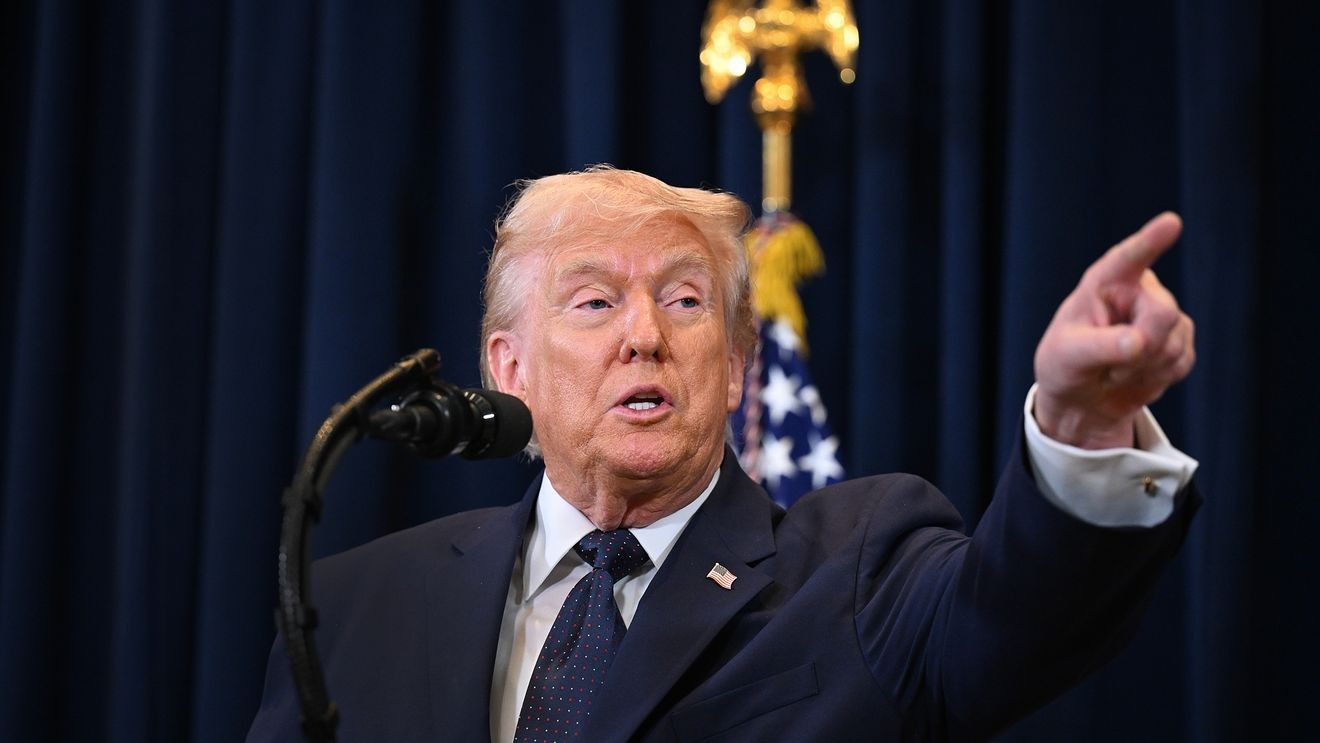
WASHINGTON (TNND) — President Donald Trump says the government in Cuba may be nearing a breaking point, warning the communist country is running on “fumes” as it grapples with widespread blackouts, food shortages and a deepening energy crisis.
The island nation — located just 90 miles from Florida — has been pushed to the brink in large part because of U.S. policy. (TNND)
Speaking on Monday, Trump suggested the country’s leadership could soon face dramatic change.
“It may be a friendly takeover, it may be a not so friendly takeover,” Trump said. “It really doesn’t matter.”
The island nation — located just 90 miles from Florida — has been pushed to the brink in large part because of U.S. policy. The Trump administration recently cut off one of Cuba’s most important sources of oil: shipments from neighboring Venezuela.
For years, Cuba relied heavily on subsidized Venezuelan oil to power its aging electric grid. But that supply dried up after the United States removed Venezuelan leader Nicolás Maduro from power earlier this year, triggering a chain reaction that has left Cuba struggling to keep the lights on.
“They have no energy. They have no money. They’re in deep trouble on a humanitarian basis,” Trump said.
Administration officials have not hidden their broader goal. Secretary of State Marco Rubio, a Cuban American who is leading the administration’s pressure campaign against Havana, recently made clear the U.S. would welcome political change on the island.
“Regime change? Oh no, I think we would love to see the regime there change,” Rubio said during a Capitol Hill hearing in late January.
The growing economic crisis is now spilling into the streets. Videos circulating online show students staging protests at a university in Havana — rare scenes in a country where the communist government has maintained tight control for decades.
Political dynamics in the United States also play a role in the administration’s hardline approach. Cuban Americans have long been a loyal voting bloc for Trump. A Florida International University Cuba Poll conducted ahead of the 2024 election found 68% of Cuban American voters planned to support him.
Trump has often highlighted his close ties with the community.
“Cuban-American business people — some of them are among the most successful in the country,” Trump said. “A lot of them are friends of mine because I’ve been fighting this battle with them for a long time.”
What happens next remains uncertain. Experts say any negotiations between Washington and Havana could force major concessions from Cuba’s government — including rapid economic reforms, an expanded private sector and possibly the release of political prisoners or even democratic elections.
For now, however, Cuba’s leadership appears determined to hold onto power as the crisis deepens.

 National Headline