Two executives are facing another indictment in Ohio for a bribery scandal after a previous trial ended in a hung jury.
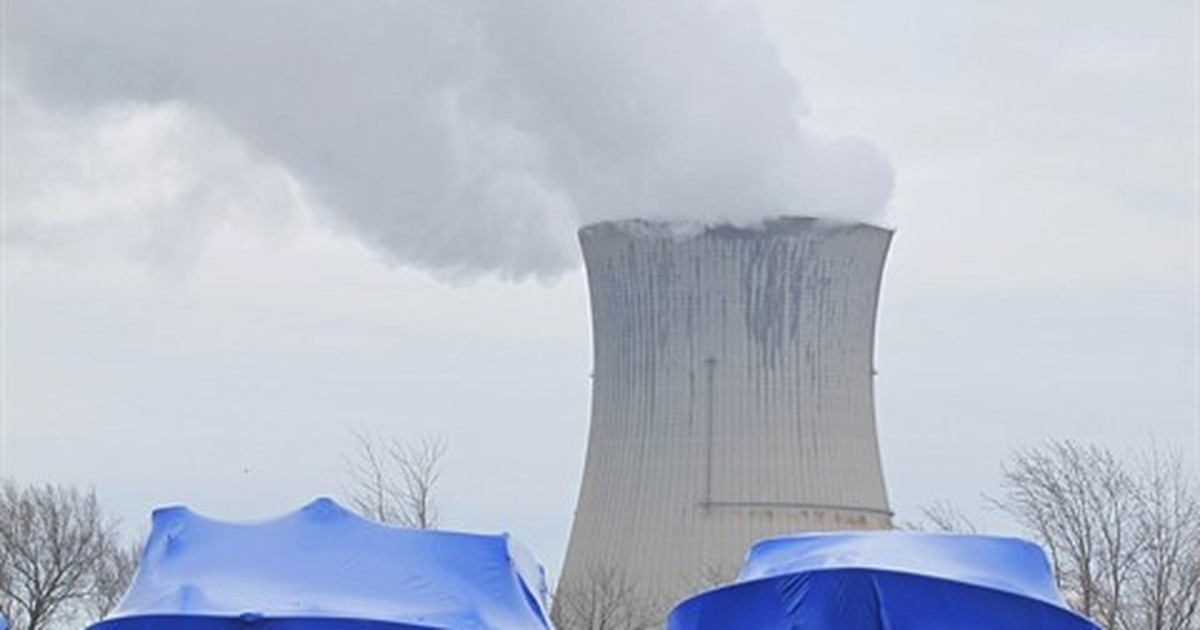
Charles “Chuck” Jones and Michael Dowling with FirstEnergy Corp. are once again facing 22 felony counts tied to a scheme to facilitate millions of dollars in bribes to secure a bailout worth over $1 billion for the company’s nuclear plants.
Ohio Attorney General Dave Yost recently announced the reindictment of the two defendants after acknowledging that 10 of the 12 jurors in the previous trial believed the executives were guilty. He also noted that the new charges include additional information that was uncovered during a civil lawsuit against the company.
Jones, the former CEO, and Dowling the former senior vice president of external affairs, now face one count each of engaging in a pattern of corrupt activity, bribery, conspiracy, and telecommunications fraud. Jones faces two additional counts of obstructing justice while Dowling is looking at 14 additional counts of tampering with records.
The prosecution alleges that the two men directed payments meant to influence state officials and protect legislation that forced Ohio’s electricity customers to subsidize the company’s nuclear operations.
The alleged scheme involved over $60 million funneled through dark money nonprofit organizations to help Larry Householder become speaker of the Ohio House and then pass House Bill 6. The measure creates a new surcharge on customers’ electricity bills to go toward nuclear power plants affiliated with FirstEnergy Corp.
Justice shall be served. Oh, yes!
FirstEnergy execs reindicted after trial ends in hung jury https://t.co/NtjWH5bKeX
— Dave Yost (@DaveYostOH) June 5, 2026
The Associated Press reported that the company paid $4.3 million to lobbyist Sam Randazzo in 2019, shortly before he was appointed as chairman of the Public Utilities Commission. Prosecutors claim the payment was meant to gain favors including help with drafting and advancing the proposed legislation.
Householder, who was sentenced to 20 years in prison after being convicted on federal racketeering charges, used the money to get allies elected and to fund a campaign advocating against a voter effort to recall the law.
The scandal has already cost Ohioans hundreds of millions of dollars in higher electricity bills. Last year, the Public Utilities Commission ordered FirstEnergy to refund about $186 million to customers and pay $64 in civil penalties.
Yost said “FirstEnergy was hijacked by two scheming executives who sought to control the regulator that influenced the company’s stock prices.”
This is why the government should not be allowed to pick winners and losers in any industry. This case exemplifies how government subsidies and unnecessary regulation of utilities creates a plethora of incentives for corrupt behavior. When politicians and bureaucrats possess the authority to force utilities customers to pay higher rates to prop up another industry, it’s no wonder that some greedy executives might try to game the system.
 National Headline