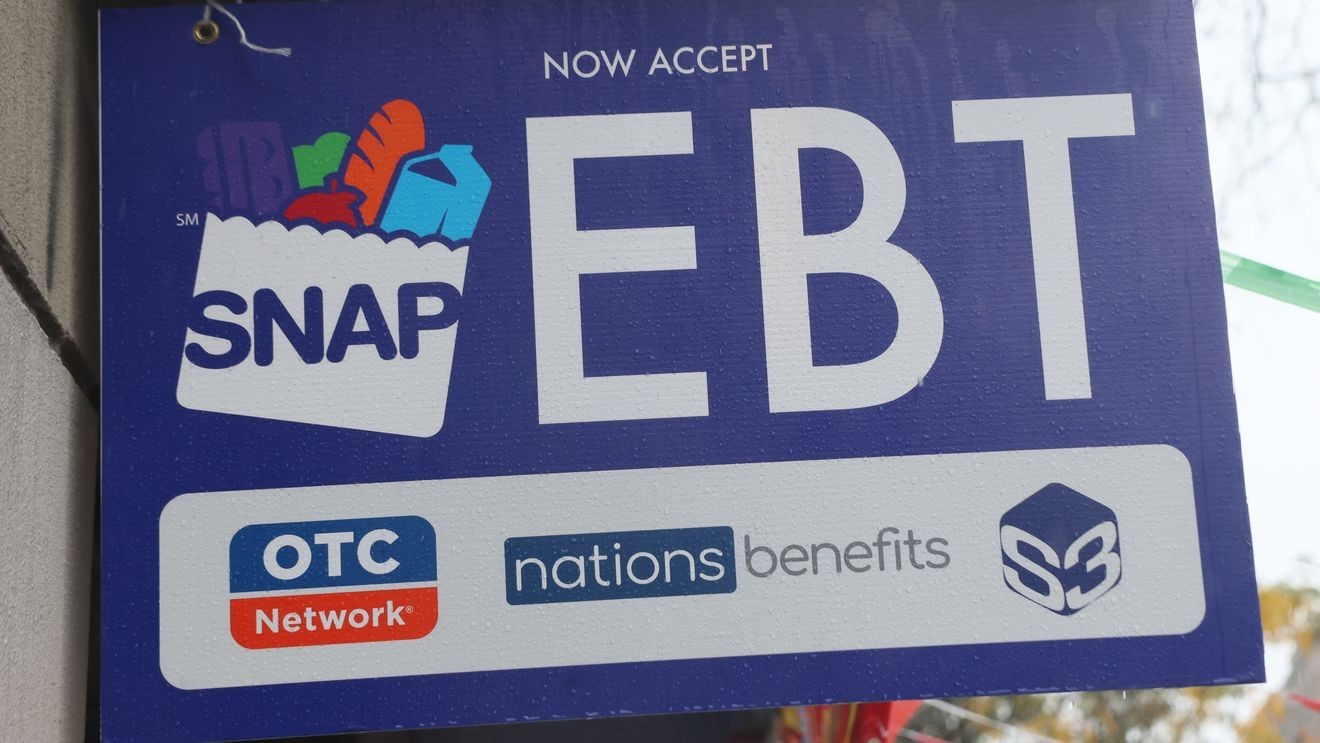
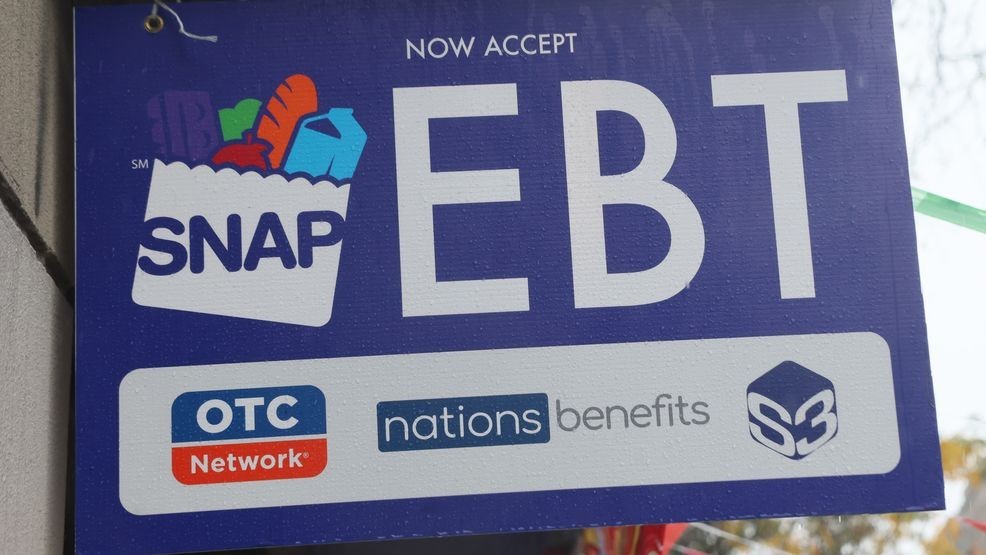
WASHINGTON (TNND) — To ring in the new year, five states are prohibiting Supplemental Nutrition Assistance Program (SNAP) benefits from being used to purchase soda, soft drinks and candy.
Indiana, Iowa, Nebraska, Utah, and West Virginia will be the first among 18 states to roll out food restriction waivers for sugary drinks and candy on January 1. The remaining 13 states will be implementing their waivers later in the year.
Each waiver will last for an initial two-year period. States are required to study and report on how the restrictions affect participants, retailers, and overall program outcomes, according to Patrick Penn, acting administrator for the Food and Nutrition Service.
“The success of these projects will hinge on the collaborative efforts of SNAP state agencies, retailers, and FNS,” Penn wrote in a memorandum.
“FNS applauds the many state agencies and thousands of retailers that have been engaged in preparing for these bold projects thus far, and we are excited to continue this important work.”
The waivers are part of the Trump administration’s “Make America Healthy Again” initiative, led by Health and Human Services Secretary Robert Kennedy Jr. alongside Agriculture Secretary Brooke Rollins. The effort aims to curb chronic health conditions like obesity and diabetes by reducing access to “junk food” through the roughly $100 billion federal nutrition program, which serves about 42 million people nationwide.
Kennedy has argued that the current system undermines public health.
“We cannot continue a system that forces taxpayers to fund programs that make people sick and then pay a second time to treat the illnesses those very programs help create,” Kennedy said in a statement in December.
These changes represent a sharp break from long-standing federal policy. Since the creation of the modern food stamp program in 1964, SNAP benefits have generally been valid for nearly all foods and beverages except for alcohol, tobacco, and hot prepared meals.
While supporters frame the waivers as a public health measure, retailers and anti-hunger advocates warn of unintended consequences.
Industry groups including the National Retail Federation predict longer checkout times and increased frustration for shoppers as cashiers and customers navigate the new restrictions. Retail trade associations estimate that compliance could cost stores $1.6 billion upfront, with ongoing losses of roughly $759 million each year.

 National Headline