(TNND) — Retail expert Deborah Weinswig is bullish on the sector heading into 2026, even though 2025 saw 12% more store closures than last year.
Weinswig, the CEO and founder of Coresight Research, expects grocers to be more aggressive about expansion after several years of sitting idle following the pandemic.
She said dollar stores continue to see strong returns on their investments.
So-called “off-pricers,” stores like Burlington, T.J.Maxx and Ross Dress for Less, continue to gain significant market share.
And some concepts that span all types of retail – retailers selling shelf space to other brands, retail as a service, and the monetization of customer data – have retailers poised to grow their physical footprints, not just their online presence, in the coming year.
“It’s not necessarily about a size of box, because we’re talking about 10,000 square feet with the dollars and 35,000 square feet with off-price and like 50,000 with the grocery,” Weinswig said. “So, the consumer is willing to shop different sizes and drive different distances with gas prices where they are. It’s more about the experience that’s offered. Being in stock is really important.”
This year saw 11% fewer store openings than last year, but Coresight Research is tracking more planned openings than closings in the coming year.
The firm has tracked 566 planned closures and 1,118 planned openings announced by retailers for 2026 so far.
However, there are parts of retail that could struggle.
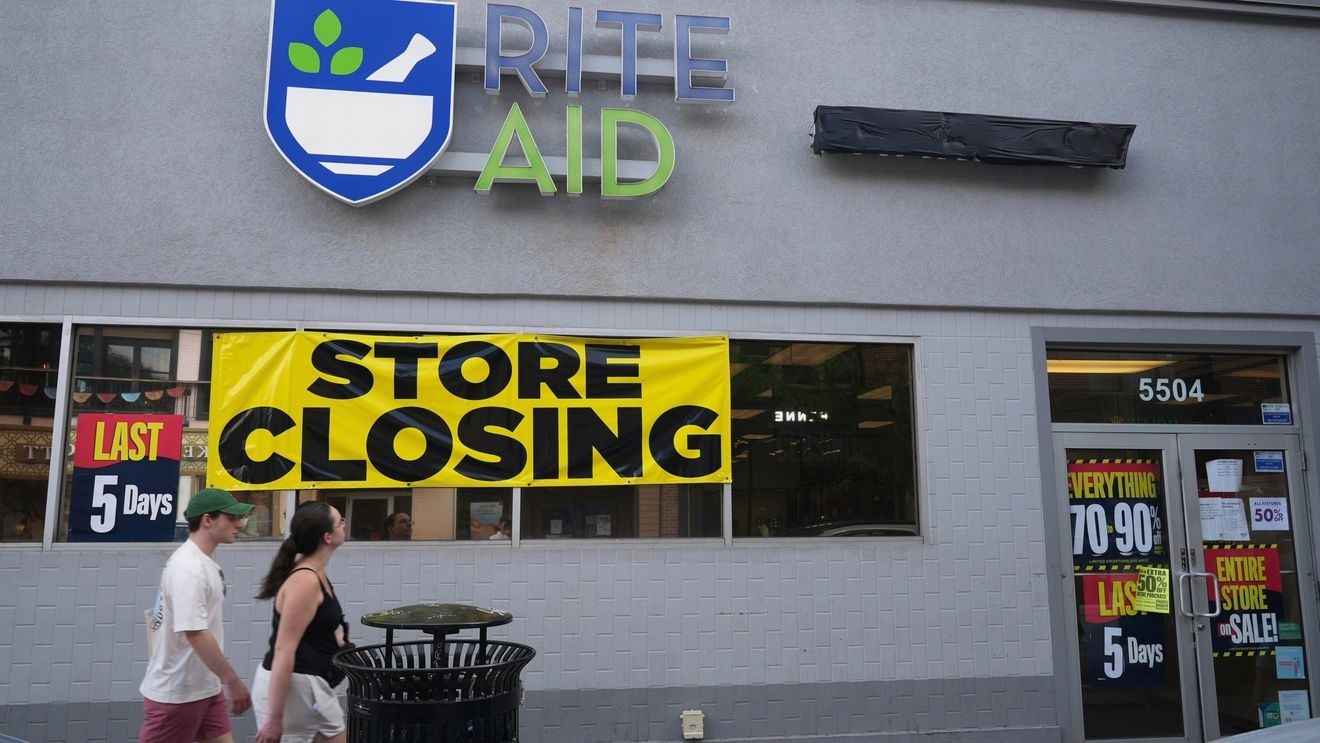
After Rite Aid shuttered its stores this year, Weinswig said she expects more pharmacy closures in 2026.
She said the pharmacy format needs to be retooled.
Pharmacy operating costs are too high, and they’re becoming too reliant on the lower-margin sales in the actual pharmacy than the consumer product sales in the front of the store.
Consumers are more price sensitive, Weinswig said. And there are cheaper places to stock up on toiletries and snacks.
Rite Aid topped the list of major store closures this year.
Coresight Research tracking shows the drugstore chain closed nearly 1,300 locations while going out of business this year.
Joann, Party City, Big Lots, Claire’s, Walgreens, 7-Eleven, Forever 21, CVS and Dollar General rounded out the top 10 list of most locations closed.
Joann, Party City and Forever 21 also went out of business.
Dollar General also topped the list of most store openings, with 611 compared to its 271 closures. Dollar General operates over 20,000 stores nationwide.
Weinswig said artificial intelligence is helping retailers like Dollar General be more responsive to market dynamics.
Underperforming locations are replaced with better performers.
AI is helping retailers optimize costs.
“And so, we’re starting to see faster decisions getting made in retail,” she said. “I think better decisions getting made that are a little more science and a little less art.”
Data is making retailers better operators, but retailers are also finding ways to sell their data to other companies interested in understanding consumers better.
Weinswig said the big closures this year might’ve been avoided if new AI tools had come along sooner.
Rite Aid, Joann, Party City and others lost discipline around expenses, she said. They kept stores open for longer than they should have instead of adjusting their portfolios.
“I think it’s truly about discipline. … It was more tactical than strategic,” Weinswig said. “It’s just that sometimes the tactical can eat your lunch. And I think in this case, it ultimately did, unfortunately.”

 National Headline