(TNND) — Federal agencies are surging personnel to Minneapolis in the wake of a viral video, in which YouTube personality Nick Shirley alleges he visited Somali-run childcare centers pulling in big bucks from the government without actually serving children.
However, FBI Director Kash Patel said he surged personnel and investigative resources to Minnesota to dismantle large-scale fraud schemes even before Shirley’s video was posted late last week.
Patel said the FBI dismantled a $250 million fraud scheme that stole federal food aid meant for vulnerable children during the pandemic. Patel said that case led to 78 indictments and 57 convictions.
“The FBI believes this is just the tip of a very large iceberg,” Patel said via X. “We will continue to follow the money and protect children, and this investigation very much remains ongoing.”
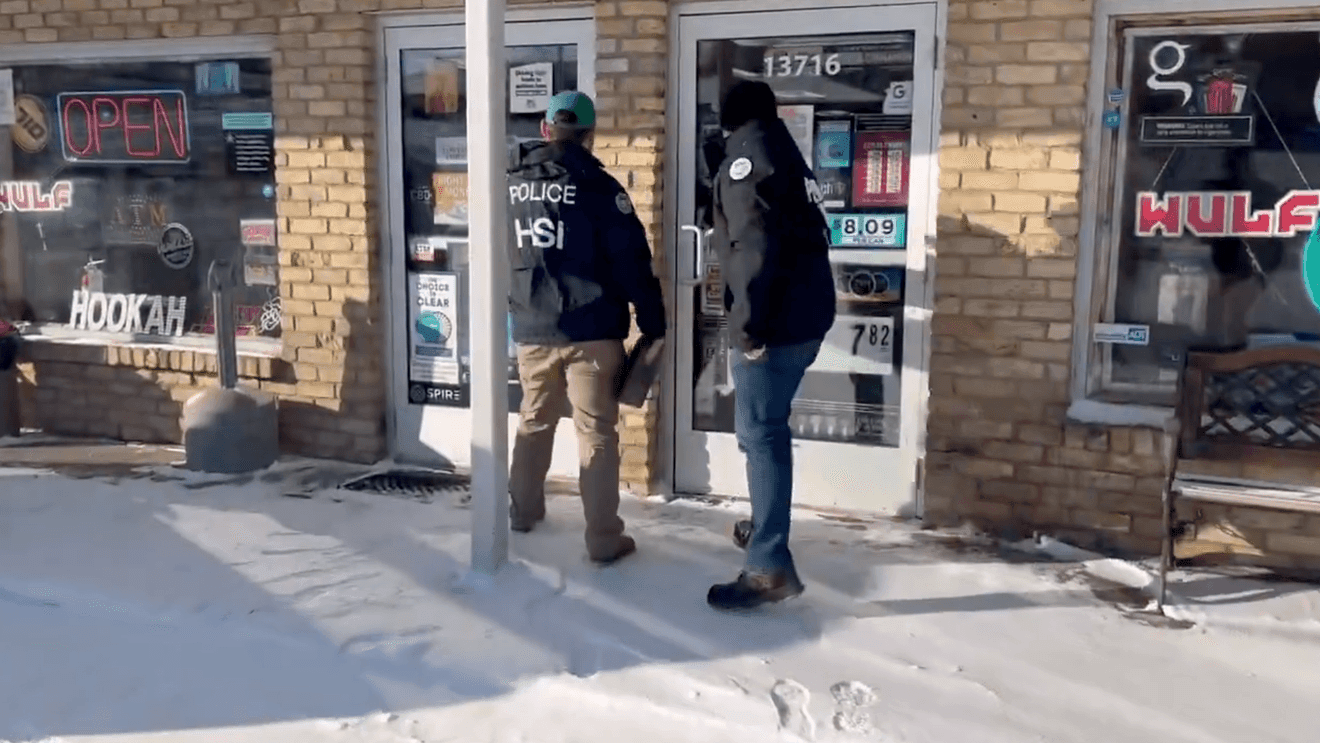
Homeland Security agents are going to the suspected fraud sites in Minnesota, the agency said.
And a federal prosecutor said recently, while announcing new charges in the ongoing fraud schemes, that the state has flagged 14 high-risk Medicaid programs, suspended payments for those programs and ordered a third-party audit.
First Assistant U.S. Attorney Joe Thompson said those 14 programs in Minnesota have cost $18 billion since 2018, and he said there’s reason to believe that more than half of that amount was fraudulent.
“The fraud is not small. It isn’t isolated. The magnitude cannot be overstated,” Thompson said during a Dec. 18 news conference. “What we see in Minnesota is not a handful of bad actors committing crimes. It’s a staggering industrial-scale fraud. It’s swamping Minnesota and calling into question everything we know about our state.”
One of the newest defendants received $6 million in Medicaid funds based on fraudulent claims to a program meant to provide one-on-one therapy to children with autism, Thompson said.
Abdinajib Hassan Yussuf, 27, allegedly paid kickbacks to parents in the Somali community to have their children diagnosed with autism spectrum disorder and enroll in his program.
Two other defendants in a Housing Stabilization Services fraud scheme allegedly came from Philadelphia to pluck $3.5 million in fraudulent Medicaid payments from Minnesota because they heard it was “easy money,” Thompson said.
As for Shirley’s viral video, KARE TV in Minnesota reported that the state commissioner in charge of childcare centers sent inspectors to double-check the facilities.
Minnesota Department of Children, Youth, and Families Commissioner Tikki Brown reportedly said several of the centers have been under ongoing investigations, but none of the investigations uncovered findings of fraud. And she said a state inspector visited each of the day cares seen in Shirley’s video within the last six months. She said the inspectors found children present.
Chris Edwards, a federal budget expert at the Cato Institute, a libertarian-leaning think tank, said he’d be “a little cautious” with Shirley’s claims.
But Edwards, an advocate for smaller government, did say Minnesota has a big problem with fraud.
“It’s huge,” Edwards said. “I mean, Minnesota is not a big state, and this is a lot of money for a fairly small state.”
Federal aid programs run by states are vulnerable to fraud, because state administrators don’t have a strong incentive to be frugal with the taxpayer money, Edwards said.
“It’s federal money. It’s free. The money is free to the states,” he said.
The automated nature of the claims process and the massive size of federal programs also contribute to the fraud risk, Edwards said.
“There’s too many government programs, and the fact that the feds are providing so much of the funding, it’s just a recipe for this sort of trouble, combined with the fact that with computers now, the programs can be looted very quickly and rapidly, and it takes auditors years to sort of catch up,” he said.
Turning Medicaid into a block grant, giving states a fixed amount of money, might help, Edwards said.
But the best solution would be to leave it to states to fund the welfare programs, he said.
States, which must balance their budgets, would keep better track of their own dollars, he said.
“And so, the state policymaker, whether Republican or Democrat, knows that if spending is going up rapidly on some program, they’ve got to … trim other programs,” Edwards said. “So, there’s just a natural incentive for them to be more frugal with locally raised money.”
Edwards said the federal government should take what it’s learning in the ongoing Minnesota fraud investigation and apply it to the other 49 states, looking for some of the same sort of patterns of abuse.

 National Headline