ATLANTA — President Donald Trump is asking a judge to order the Fulton County District Attorney’s Office to pay more than $6.2 million in legal fees and costs after Georgia’s election interference case against him was dismissed.
The request follows a state law passed by Georgia lawmakers last year that allows defendants to seek reimbursement if a prosecutor is disqualified for improper conduct and the case is later thrown out. Under that law, a judge must review any fee request and determine whether the amount is reasonable. Any approved payment would come from the prosecutor’s office budget.
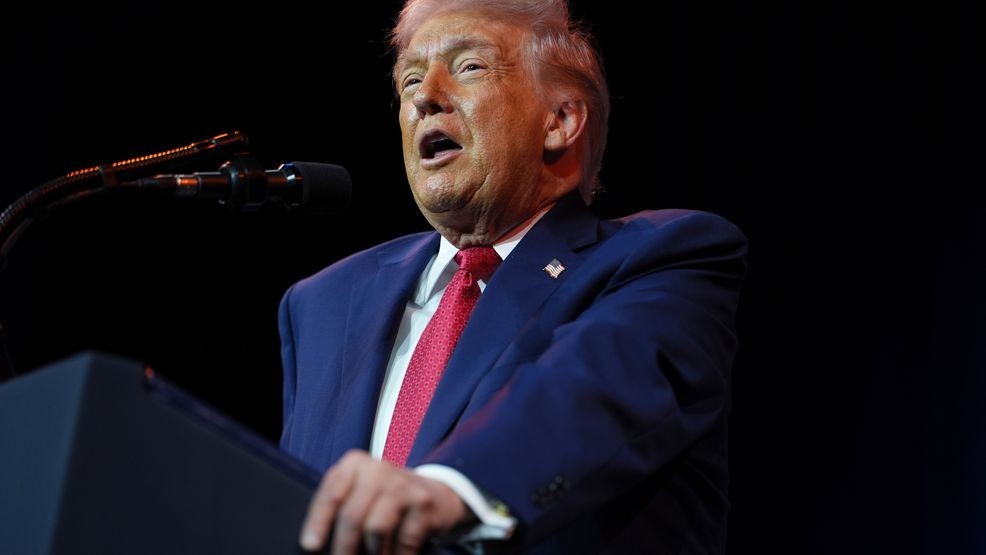
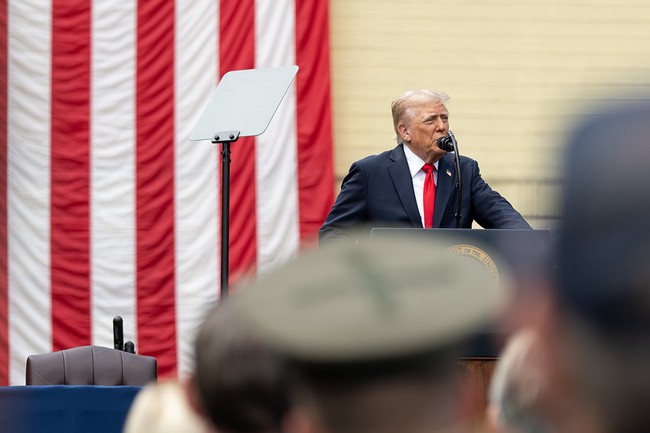
President Donald Trump speaks to House Republican lawmakers during their annual policy retreat, Tuesday, Jan. 6, 2026, in Washington. (AP Photo/Evan Vucci)
Trump’s motion, filed Wednesday, seeks $6,261,613.08.
Fulton County District Attorney Fani Willis and her office were removed from the case after the Georgia Court of Appeals ruled there was an appearance of impropriety tied to Willis’ romantic relationship with the special prosecutor she appointed to lead the case. A replacement prosecutor dismissed the case in November.
Willis had gotten an indictment against Trump and 18 others in August 2023, accusing them of violating Georgia’s anti racketeering law by taking part in a wide ranging effort to overturn Trump’s narrow 2020 election loss to Democrat Joe Biden in Georgia. Prosecutors pointed to actions including Trump’s call to Secretary of State Brad Raffensperger, where he urged the state’s top elections official to help find enough votes to change the outcome. Four defendants later pleaded guilty.
“In accordance with Georgia law, President Trump has moved the Court to award reasonable attorney fees and costs incurred in his defense of the politically motivated, and now rightfully dismissed, case brought by disqualified DA Fani Willis,” Trump’s lead Georgia attorney Steve Sadow said in a statement.
A spokesperson for Willis declined to comment on Trump’s filing. Her office has previously asked to be heard in court on any fee requests connected to the case.
In a motion filed last month responding to a similar request from another defendant, Willis’ office raised concerns about the constitutionality of the law that allows defendants to seek repayment.
“The statute raises grave separation of powers concerns by purporting to impose financial liability on a constitutional officer, twice elected by the citizens of Fulton County, for the lawful exercise of her core duties under the Georgia Constitution,” the motion says.

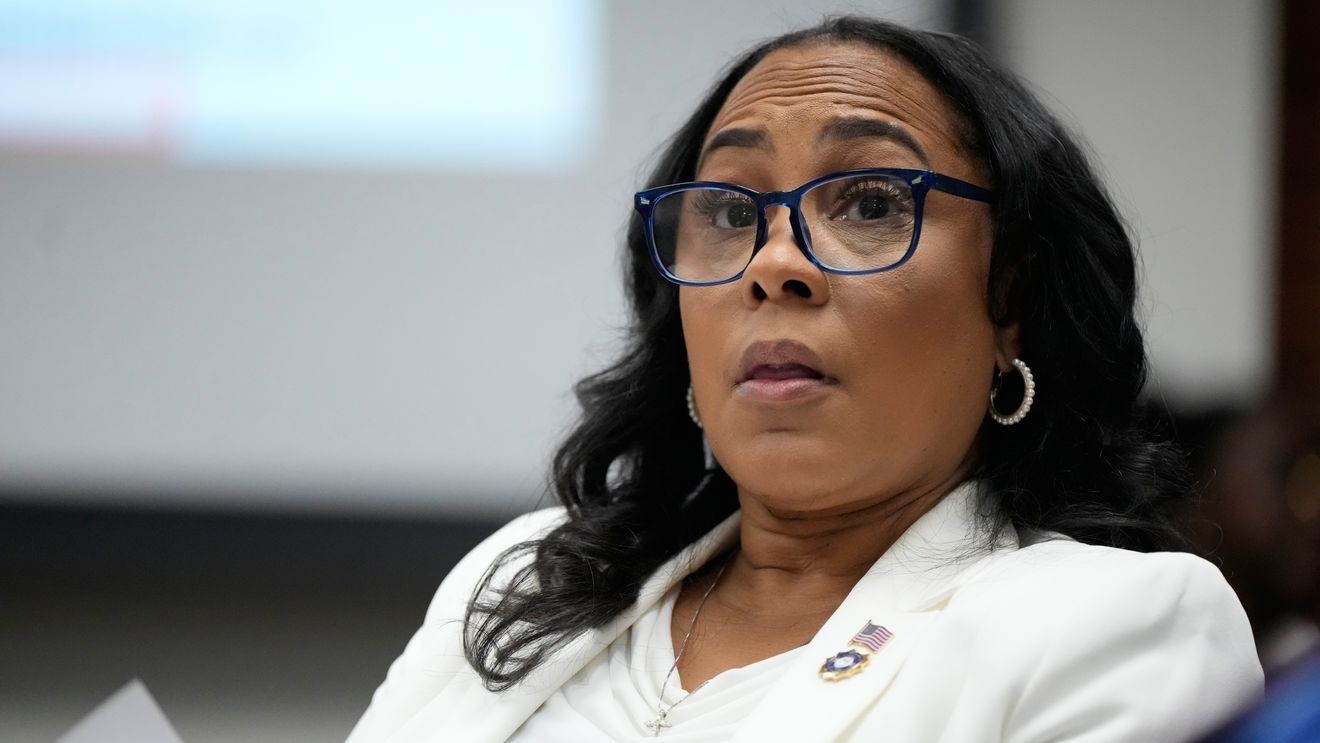
Fulton County District Attorney Fani Willis leaves the Georgia State Capitol after questioning from a Georgia State Senate panel about her prosecution of President Donald Trump on Wednesday, Dec. 17, 2025, in Atlanta. (AP Photo/Brynn Anderson)
The filing also argues the law violates due process by retroactively imposing a new fee shifting system that could place a heavy financial burden on county taxpayers.
Willis’ office has maintained the prosecution was not political and followed years of investigation. The motion notes that a special grand jury reviewed evidence and recommended charges before a regular grand jury returned the indictment.
Defense attorneys first sought Willis’ removal in January 2024 after revealing her relationship with special prosecutor Nathan Wade. They argued Willis financially benefited when Wade used money earned from the case to pay for vacations the pair took together.
Willis and Wade testified during a February 2024 hearing, saying their romantic relationship began after Wade was hired and that they split expenses. Fulton County Superior Court Judge Scott McAfee later criticized Willis for a lapse in judgment but ruled she could stay on the case if Wade stepped aside. Wade resigned hours later.
That ruling was appealed. In December, the Georgia Court of Appeals removed Willis from the case, citing an appearance of impropriety. The Georgia Supreme Court declined to hear her appeal.
The case was then assigned to Pete Skandalakis, executive director of the Prosecuting Attorneys’ Council of Georgia, who dismissed it less than two weeks later.

 National Headline