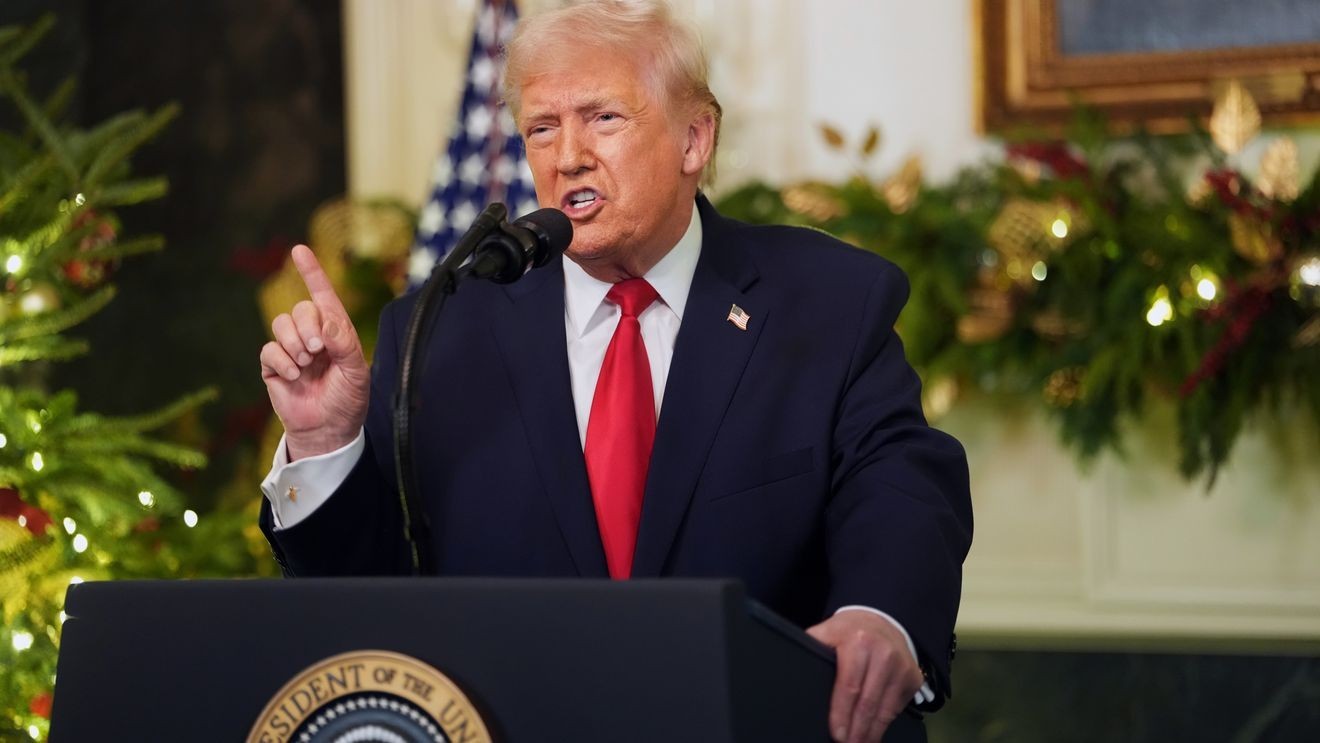
TNND — President Trump signed an executive order Thursday easing restrictions on marijuana. The order will expedite the reclassification of marijuana from a schedule I drug to a schedule III drug, but stops short of fully legalizing the use of cannabis. Trump suggested from the oval office, the move could open the door for more research and expanded medical uses.
This reclassification order will make it far easier to conduct marijuana-related medical research, allowing us to study benefits, potential dangers, and future treatments,” Trump said.
Despite medical and recreational cannabis having been legalized in dozens of states, the DEA has classified marijuana as a schedule I drug since 1970. Its highest classification, used for drugs like heroin, LSD and ecstasy. Trump signed the order just a day after dozens of GOP lawmakers in both the House and Senate wrote him separate letters, urging him not to change the classification.
The only winners from rescheduling will be bad actors such as Communist China, while Americans will be left paying the bill,” the letter from Senate Republicans read in part.
Despite the opposition, some are getting on board with the order. Sen. Richard Blumenthal (D-CT) called the action “a realistic step.”
I think that the rescheduling would probably be a realistic step toward recognizing what the state of the law is in the states,” Blumenthal said Thursday.
Meanwhile, Republican Senators also spoke out Thursday. Sen. Lindsey Graham (R-SC) called marijuana a dangerous drug and Sen. Cynthia Lummis (R-WY)a drug she doesn’t want in her state.
Medical marijuana seems to have a lot of promise, but just, you know, I think it’s a dangerous drugs, and I’m not so sure that’s a good decision, but we’ll see how it plays out,” Graham said. “My state has neither recreational nor a medical marijuana, and quite frankly, I like it that way,” Lummis added.
Regardless of the classification, marijuana will still be illegal for recreational use at the federal level. But it could lower the tax burden for state licensed marijuana dispensaries, since federal law doesn’t allow businesses that sell schedule I substances from taking some tax deductions.

 National Headline