The Scott Jennings Show
8:00 pm - 10:00 pm
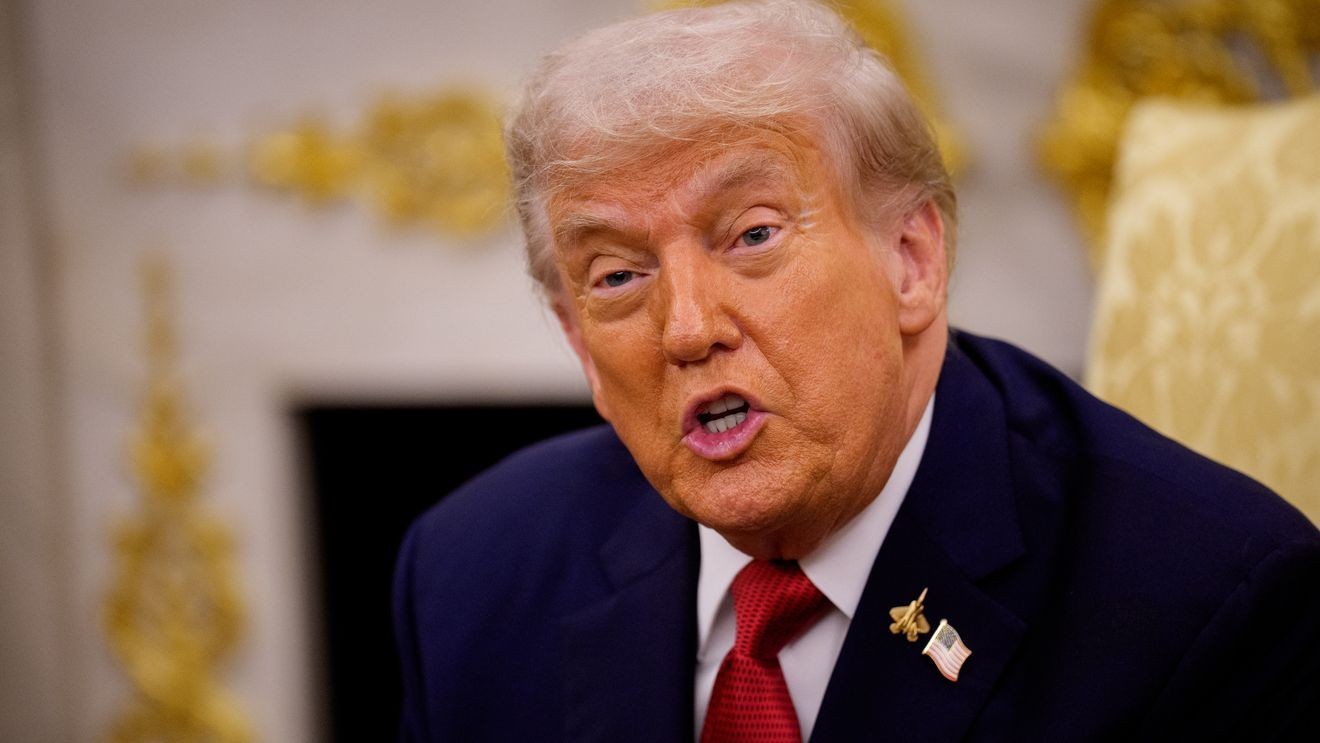
WASHINGTON (TNND) — President Donald Trump has unveiled a series of new policy proposals in recent weeks aimed at lowering the cost of living facing a frustrated public with the midterms approaching and endangering his slim Republican majorities in Congress if dynamics don’t shift in their favor.
Trump has pushed his administration and Congress to take up all sorts of new policies aimed at improving household finances through tariff-funded rebate checks to changes to the mortgage market and notching deals with drug companies for some prescription drugs.
It comes as the November midterms come into focus later this year with Republicans hoping to retain their slim margins in both chambers in what has historically been an unfavorable environment for the party in power. Democrats have focused their messaging against the administration over voters’ frustrations on progress dealing with the cost of living, which has escalated rapidly since the pandemic and stretched budgets to the limit.
Voter outrage over the economy during the Biden administration helped put Trump back in office, but those feelings have turned against the president nearly a year into his first term. His approval ratings on his handling of the economy and inflation have slumped as his second term has gone on, creating a challenging political predicament for the White House and congressional Republicans to navigate.
The White House has tried to shift the narrative to Trump’s successes so far with promises of more to come but is meeting a skeptical response with inflation still hovering near 3% and the job market showing signs of weakness and helping crystallize views of a struggling economy. The influx of new policies aimed at lowering costs is a shift from an earlier approach that the economy’s woes are former President Joe Biden’s doing and the outrage from voters could be chalked up to a Democratic-led “con job” to hurt him politically.
“There are facts on Donald Trump’s side that he can point to,” said Chris Devine, an associate professor of political science at the University of Dayton. “But there’s only so much you can do to change the underlying reality for people. In the end, I don’t think you can convince them that what they’re experiencing is not happening.”
The mix of policies that Trump has proposed recently are not all achievable through executive actions and would require Congress to get on board, an uncertain bet in an election year where lawmakers are already struggling to pass a budget after a record length shutdown last year.
Trump has hinted at a sweeping housing affordability initiative to be unveiled in full during an international summit later this month that included restrictions on private equity groups buying single-family homes as the nation faces longstanding supply crunch that has helped push up the cost of homeownership. He has also pushed to lower housing costs through the purchase of some $200 billion in mortgage bonds by Fannie Mae and Freddie Mac and directed the administration to look into other policies like 50-year mortgages and “portable” loans to allow people to keep their lower interest rates when they purchase a new property.
On Friday, Trump said in a social media post that he was calling on credit card companies to cap their interest rates at 10% effective on Jan. 20, though it’s unclear how he would get them on board or whether legislation mandating it could get through Congress. The average interest rate on a credit card is around 20%, according to Bankrate.
“The thing to remember about President Trump is that he made his way to the Oval Office, in part through his showmanship as a businessman and as a television star, and what matters most to him is the headline, whether you actually end up delivering and what you promised on next week’s episode might matter less than the fact that people tune in,” Devine said. “Sometimes he certainly delivers, there’s no question about that. But there are other times where some things seem designed more to create an impression than actually changed policy.”
The White House has made progress in some of the issues facing consumers with inflation cooling faster than expected, gas prices going down with promises to lower them more, lower prices for some groceries, mortgage rates and average rents declining and tax cuts to come because of the One Big Beautiful Bill Trump signed into law.
Trump and other officials have also said the U.S. economy will start to reap more benefits from his expansive use of tariffs and subsequent trade deals as more time passes for the policy to take effect and reverse what they say was a disastrous situation handed to them by the Biden administration. But the tariffs that have been a centerpiece of his economic agenda are at risk of being overturned by a looming Supreme Court decision on whether the president went beyond his authority to impose them.

 National Headline