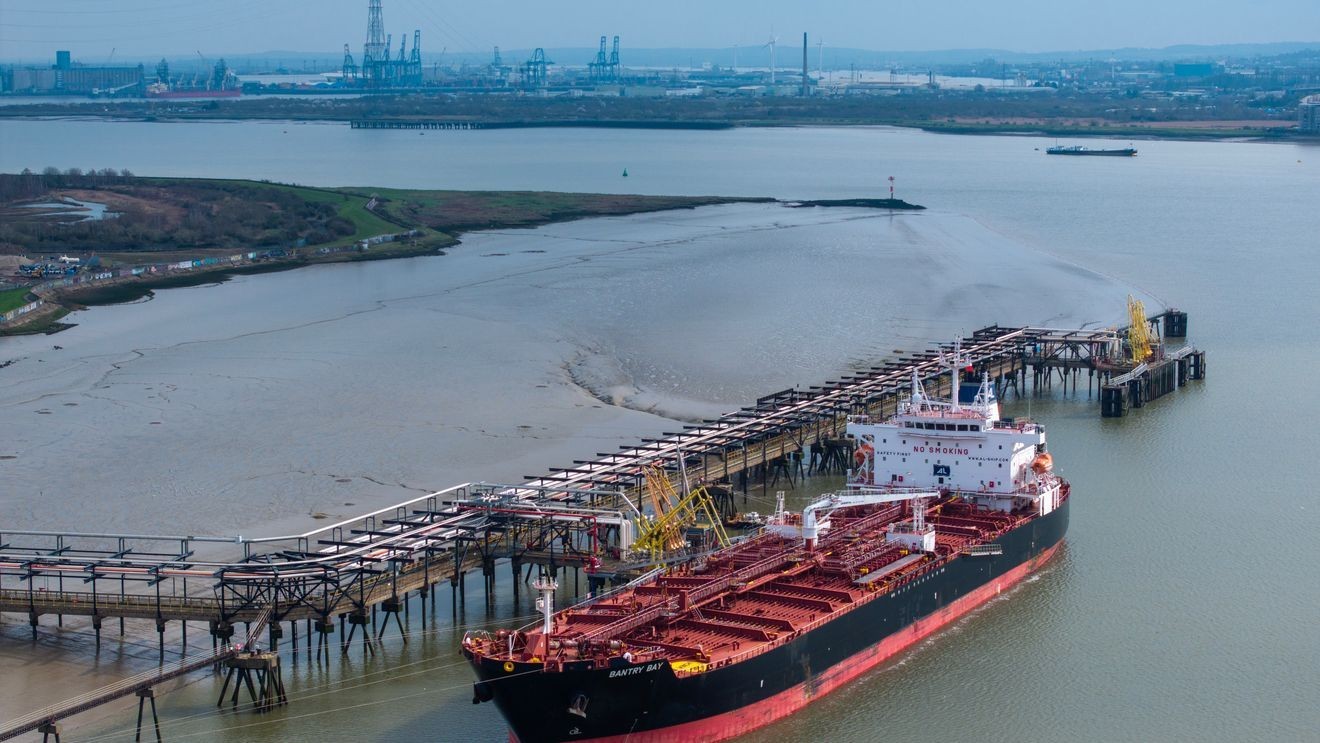
WASHINGTON (TNND) — The United States is working to secure the Strait of Hormuz as the ongoing war with Iran threatens one of the most critical shipping routes for global energy supplies.
Iranian officials have threatened to choke off the narrow waterway, declaring they will “not allow even a single litre of oil” to pass through to the United States, Israel, or their partners. (TNND)
Iranian officials have threatened to choke off the narrow waterway, declaring they will “not allow even a single litre of oil” to pass through to the United States, Israel, or their partners. Tehran also warned that any vessel or tanker bound for those destinations could be considered a legitimate target.
In response, U.S. Central Command says it has already taken action against Iranian forces operating in the area. Officials announced American forces sank 16 Iranian minelaying vessels near the strait in an effort to prevent Iran from disrupting maritime traffic.
“Our mission is to end their ability to project power and harass shipping in the Strait of Hormuz,” said Adm. Brad Cooper of U.S. Central Command.
The strategic corridor is vital to the global economy, carrying roughly 25 to 30 percent of the world’s oil supply. Even the threat of disruption has raised concerns among energy markets and international shipping companies.
Sen. Rick Scott, R-Fla., warned Iran could still attempt to block the route using smaller vessels.
“Iran has a lot of small ships they can put out mines,” Scott said.
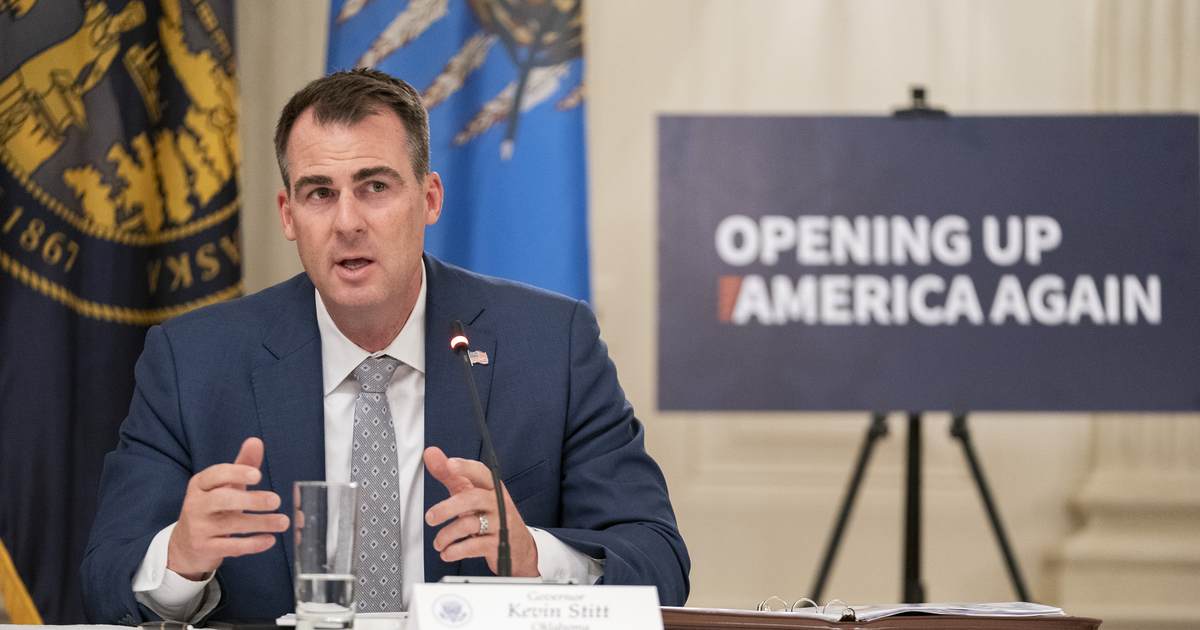
Despite the risks, President Trump said Wednesday he believes the waterway is safe enough for oil companies to continue operating there.
“I think they should,” Trump said when asked whether companies should continue using the Strait. “Look, we took out all of their mine ships in just about one night.”
Still, maritime activity in the region has slowed dramatically.
Shipping data shows trade vessel movement through the Strait of Hormuz has dropped by more than 98 percent since the conflict began. Two weeks ago, before fighting erupted, 58 tankers passed through the waterway in a single day. On March 8, only one ship made the transit.
The danger remains high. As of Wednesday, three additional vessels had been struck in the region, bringing the total number of ships hit since the start of the war to fourteen.
The disruption is already affecting global oil markets. The International Energy Agency announced Wednesday that its member countries — including the United States, the United Kingdom, and India — will release 400 million barrels of oil from strategic reserves to stabilize prices.
It marks the largest coordinated release of emergency oil reserves in history.
Japan is expected to lead the initial release, with barrels from its reserves potentially entering the market as early as next week. The United States is anticipated to contribute the largest share.
Energy analysts say the move could help ease short-term price spikes, but warn it may not fully offset the massive supply disruption if the Strait of Hormuz remains largely closed.

 National Headline