BALTIMORE (WBFF) — Some Baltimore City Council members are raising concerns about transparency within the Baltimore Children and Youth Fund (BCYF) in response to whistleblower allegations about how the nonprofit manages millions of taxpayer dollars
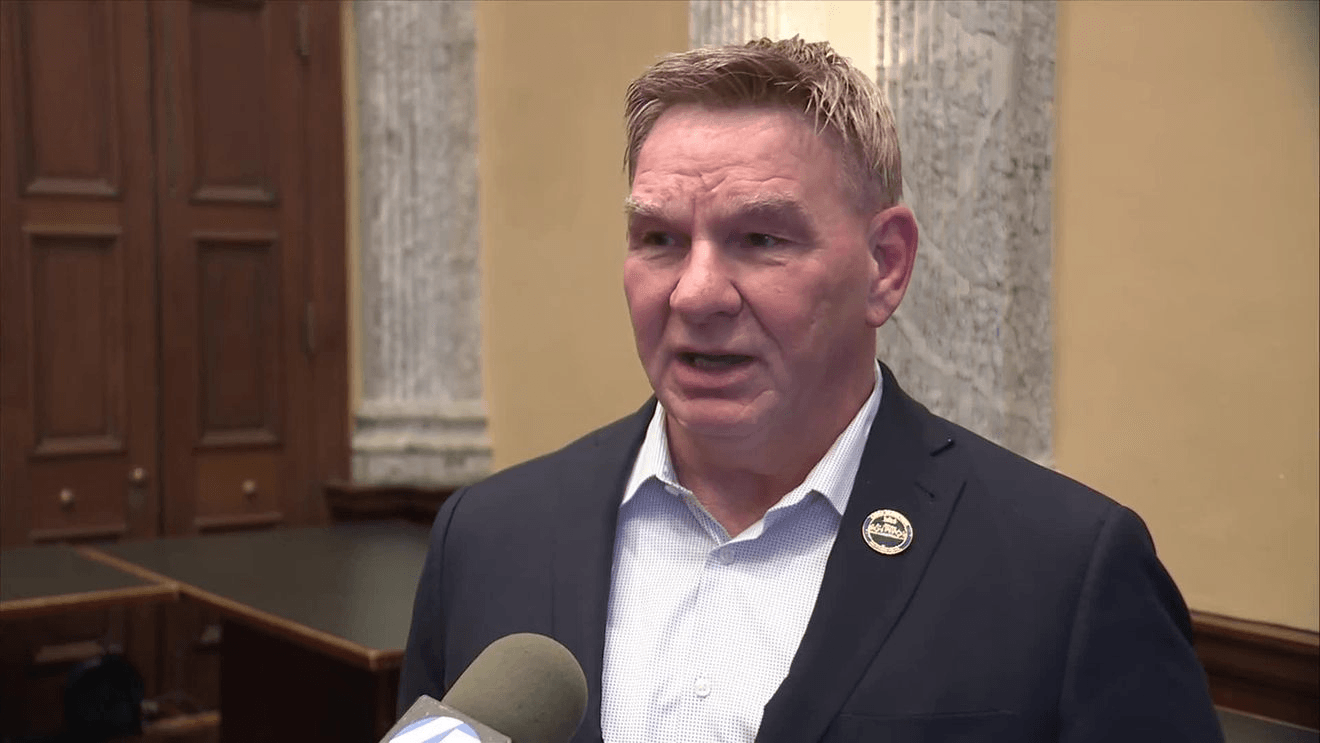
“After these allegations and hearings, I remain concerned about whether BCYF is leading with transparency,” Baltimore City Councilman Zack Blanchard (District 11) told Spotlight on Maryland.
ALSO READ | Commissioner says juvenile offenders removing monitors, continuing to commit crime
BCYF is guaranteed a portion of Baltimore City’s assessed property value annually, which was about $16 million this fiscal year. However, BCYF operates separately from the city government as a nonprofit. City Council serves as an oversight mechanism of BCYF and is debating a pending bill that would update its regulations.
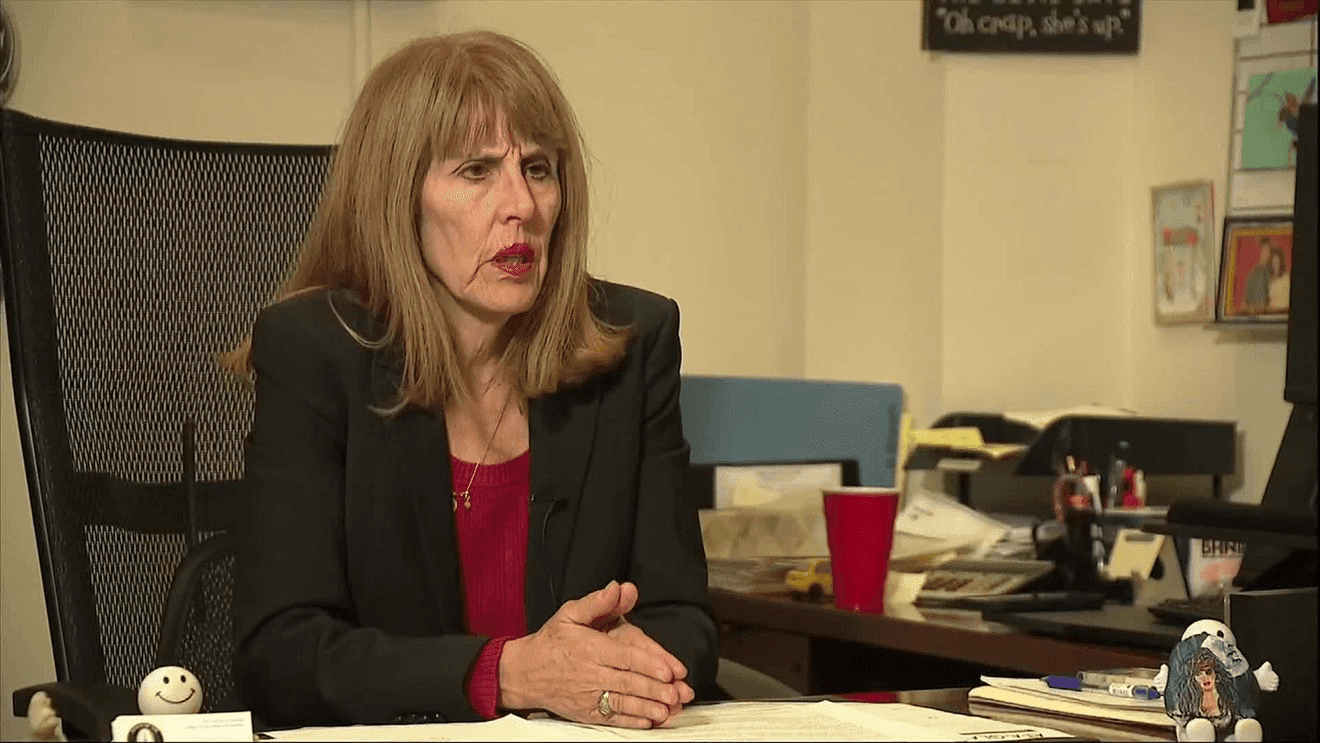
Three former BCYF employees told Spotlight on Maryland this month that the organization’s president, Alysia Lee, hired longtime friends to her top two executive jobs. The positions come with salaries of $157,500 and $144,817, based on records obtained through public information requests.
Lee has repeatedly denied interview requests with Spotlight on Maryland.
One of the BCYF whistleblowers said the nonprofit’s leadership advised employees how to prevent the Maryland Public Information Act from applying to internal communications so that Spotlight on Maryland would be unable to reveal how the organization manages millions of taxpayer dollars.
Additionally, BCYF refused to provide records to Spotlight on Maryland detailing how its grantees spend millions of taxpayer dollars, claiming that the request would be too burdensome to complete.
Spotlight on Maryland reached out to Baltimore City Mayor Brandon Scott and each member of the Baltimore City Council with the following questions:
The mayor did not respond. Two members of the City Council provided feedback.
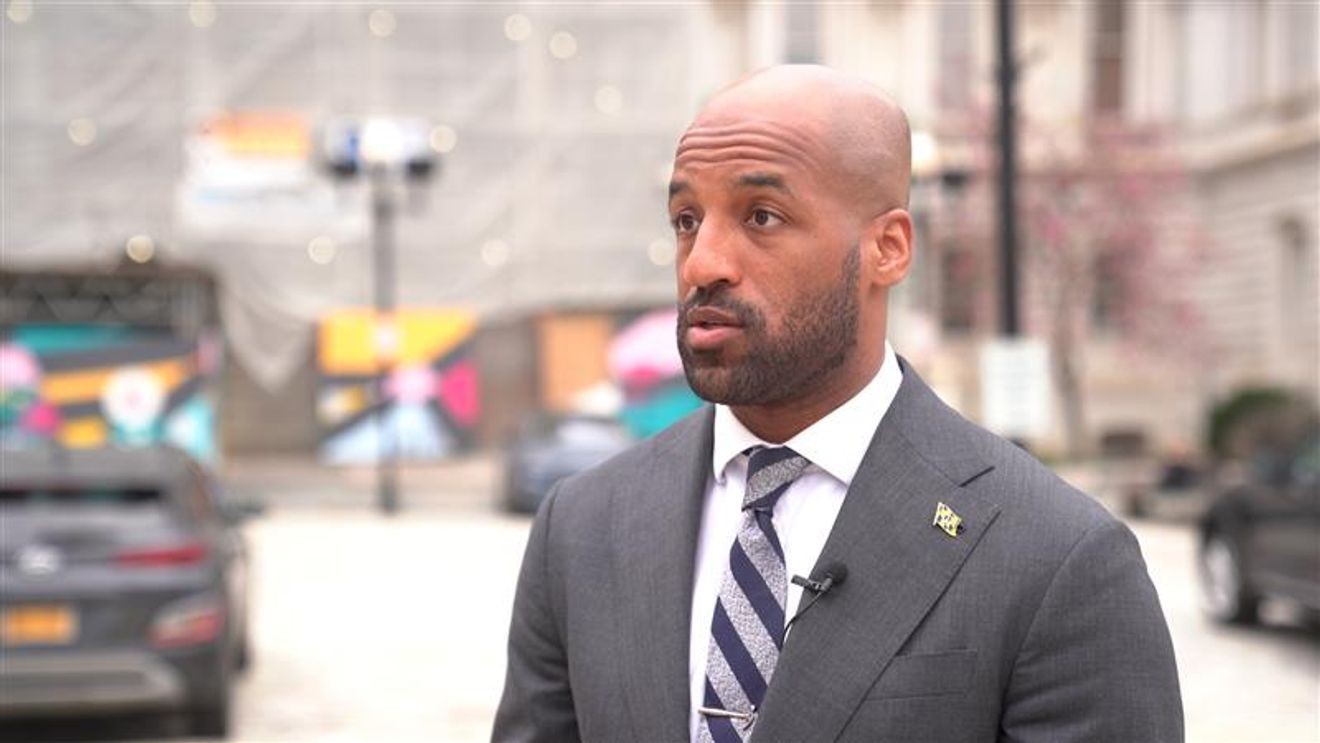
Baltimore City Councilman Mark Conway (District 4) said he is “not convinced” that BCYF is “operating with transparency.” Conway, a former nonprofit executive, expressed particular concern about allegations that Lee was using taxpayer money to provide generous salaries for her longtime friends.
“If you have people in those jobs who are making a ton of money—six-figure jobs or otherwise—and not doing the job well, everyone loses,” Conway said.
Conway also criticized BCYF for claiming that it would be too burdensome to provide records showing exactly how its grantees spend millions of taxpayer dollars.
“They should be able to pull that information together,” he told Spotlight on Maryland. “I think that’s unacceptable.”
Blanchard echoed those concerns.
“A city taxpayer-funded nonprofit should always be striving for maximum transparency,” he told Spotlight on Maryland.
Blanchard and Conway are among six cosponsors of a bill to increase oversight of BCYF. The proposed legislation would require a performance audit of BCYF every three years, conducted by the Baltimore City Comptroller, and establish a consistent application process for prospective grantees. The bill is scheduled for a committee vote Thursday after a failed attempt to advance it last month.
BCYF and Scott have expressed opposition to the bill. Still, Conway and Blanchard expressed optimism that it would pass.
“It appears the City Council is close to reaching an agreement,” Conway told Spotlight on Maryland.
A City Council hearing on the bill in December lasted roughly three hours, with dozens of BCYF grant recipients testifying in opposition. One BCYF whistleblower told Spotlight on Maryland that opposition was influenced by internal directives from leadership. According to the whistleblower, staff members were instructed to call grant recipients using a specific script suggesting they could lose funding if the bill passed.
“We were telling the grantees that based on the way that the bill was written that they would not be able to ever get more money from BCYF than they’d ever made in the past,” the whistleblower said. “It was kind of like a fear tactic.”
Blanchard expressed particular concern about the allegation.
“A taxpayer-funded nonprofit misleading the grantees that depend on it to undermine legislation it disagrees with would be a serious breach of public trust,” he told Spotlight on Maryland. “This allegation should be investigated.”
In response to the allegation, a BCYF spokesman provided the following statement: “This is a false allegation from another anonymous source. Our grantees have been very engaged in the legislation being considered by City Council, and we have been very open with them about how this bill could impact their organizations, including the initial proposal to cap grants, which would in turn have limited the amount of funding they could have been eligible for. We fully support their involvement and their voices, as these community leaders are the ones on the ground, doing the work to create new futures of possibility and opportunity for our city’s youth and due to their advocacy efforts this cap was removed from the current version of the legislation. BCYF, voted for by 80 percent of Baltimore voters, is a key part of our city’s historic decrease in homicides and gun violence, and the consistent targeted effort to undermine that incredible work that lifts up our local communities and young people will only erode the great progress our city has made.”
Baltimore City Inspector General Isabel Cumming is expected to release a report on BCYF’s spending in the coming weeks.
Spotlight on Maryland has reviewed thousands of documents obtained in public information requests over the past year, which found that BCYF has spent roughly $300,000 since 2024 on a series of out-of-state trips for its adult staff and partners—trips the organization said helped educate leaders on best practices for nonprofits.
Spotlight on Maryland is a joint venture by The Baltimore Sun, FOX45 News and WJLA in Washington, D.C. Have a news tip? Call 410-467-4670 or email SpotlightOnMaryland@sbgtv.com. Contact Patrick Hauf at pjhauf@sbgtv.com and @PatrickHauf on X.
 Local Story