BALTIMORE (WBFF) — Azalea Worgen thought the duplex she shares with her husband and three children in Baltimore would be a starting point.
Twenty-four years later, they’re still there, adjusting, cutting back and trying to keep up with bills she says never stop rising.
“We’ve just been living day by day,” Worgen told Spotlight on Maryland. “It leads to less is more. Honestly, I didn’t think that we would be in this house. I thought this was our starter home.”
ALSO READ | Rising costs push thousands of Marylanders to other states
Like many families, Worgen says the cost of raising children has reshaped nearly every financial decision, from where her kids go to school to how her family shops, saves and plans for the future.
A new study helps explain why.
Maryland is now the second most expensive state in the country to raise a child, according to an analysis of state costs published this month by LendingTree. Families here spend an estimated average of $36,419 annually in the first five years alone, ranking behind only Hawaii. The figure marks a 15% increase from last year.
Over 18 years, the cost climbs to $326,360, trailing only Hawaii and Alaska.
For some families, the financial strain is driving deeper concerns about long-term affordability and whether they can afford to stay in Maryland at all.
At the same time, Gov. Wes Moore’s office did not respond to questions about what his administration is doing to address rising child-related costs.
Some parents say state leaders are not doing enough.
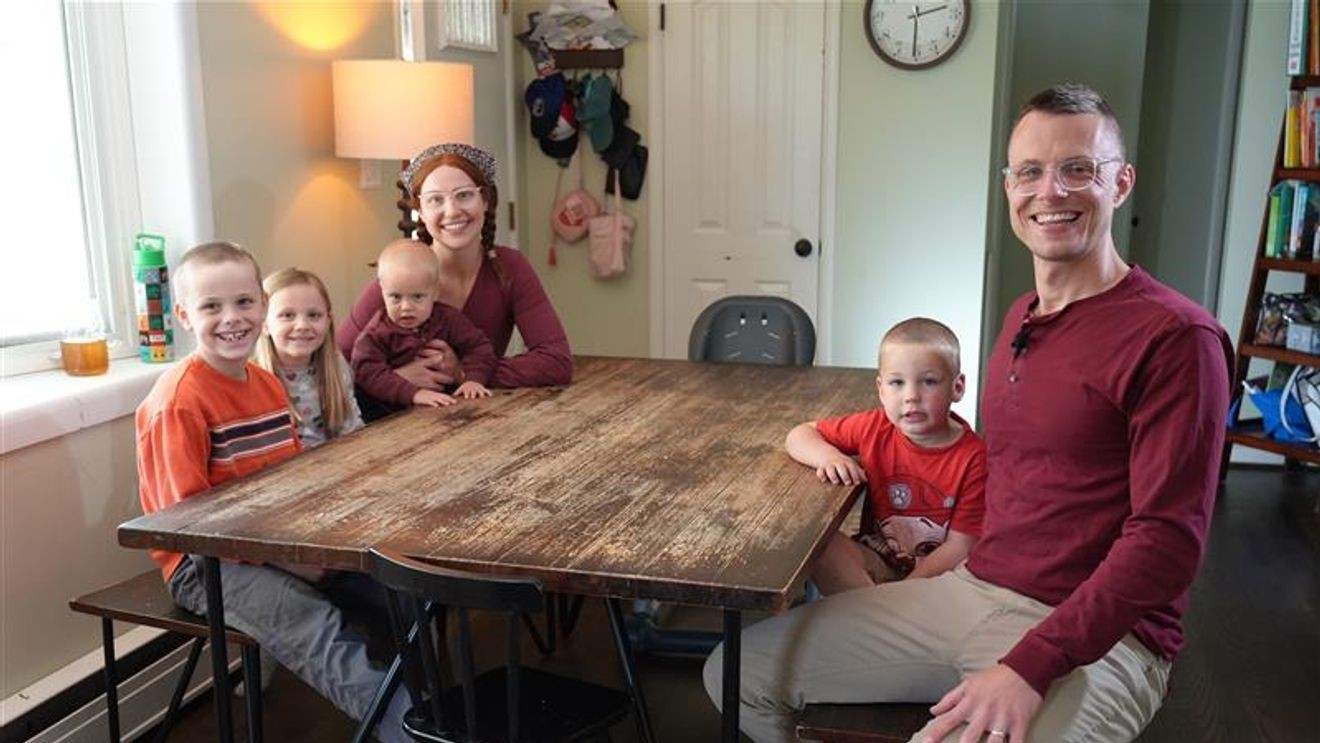
“I look at what we pay in taxes and fees for our vehicles, or on the income tax, and it’s a large amount of money,” said Sam Kahl, a Bel Air father of four who’s running for Harford County Council. “I’m not really sure of the return that I get for our family. I would just like to keep more of our money in our pocket and be able to use that as we see fit to take care of our family.”
Worgen said her family is forced to make sacrifices to counter what she described as “skyrocketing” bills across the board. She said her family spends more than $44,000 a year raising their three teenagers, forcing trade-offs that ripple across their lives, with less money for savings, vacations and eating out. They shop for clothes at Walmart and thrift stores.
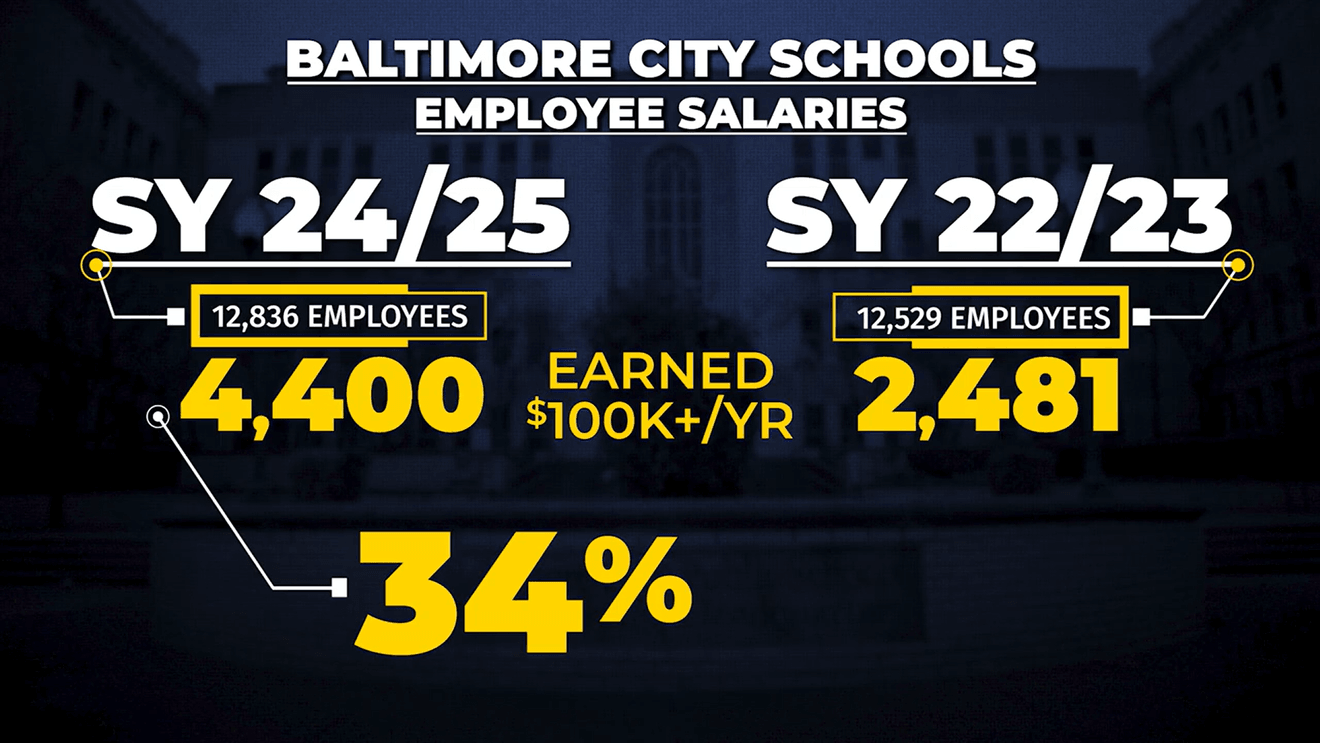
She also decided to enroll her children in a homeschooling community where she works part-time as a teacher. Costs for the homeschool community total $4,500 annually for her children. She said the decision was influenced by the poor performance of the Baltimore City school assigned to her neighborhood.
“I live in a district for a school that is a D average,” Worgen said. “All of the parents that care about their kids and invest in their kids take their kids out of that school.”
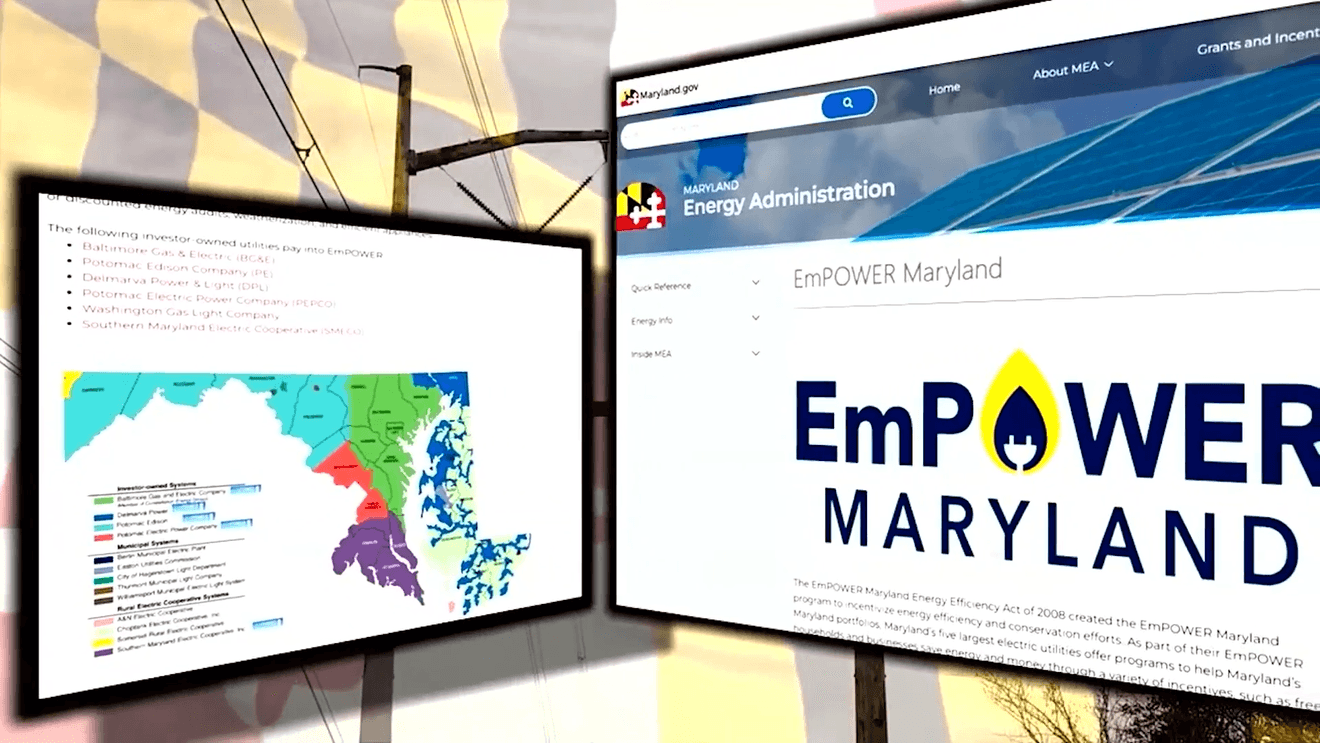
Kristen Holt, who lives in Bel Air with her husband and three children—ages 5, 10 and 12—said the study on Maryland’s rising costs “rang true.” Her family spends nearly $5,000 on electricity and about $10,000 on groceries each year.
“It is really tough to see us as a leader in expenses,” Holt told Spotlight on Maryland. “We’ve absolutely felt the pinch and the squeeze of raising children in the state for sure. We’re figuring out innovative ways to make it work.”
Jennifer Brown, a single mother of two teenagers living in Harford County, said Maryland leaders do not appear to be acting in the interest of families, citing new taxes and fees passed last year.
“Basic necessities such as food and clothing have become increasingly expensive over the last few years,” she said. “Energy costs have continued to increase rapidly. Gas has remained high in Maryland. The 46-cent-a-gallon gas tax, the seventh highest nationwide, keeps gas prices high.”
Some policy analysts say the state could ease the burden, but doing so would require political will.
Maryland offers a child tax credit of up to $500 per child for low-income families, which phases out once a household income hits $25,000. By contrast, states like Colorado and New Jersey offer credits of up to $3,200 and $1,000, respectively, that reach well into the middle class.
Tim Carney, a senior fellow at the American Enterprise Institute focused on family policy, said Maryland should expand its child tax credit to the middle class.
“Five hundred dollars a child almost sounds like a drop in the bucket when you think you might spend that much on diapers and formula and all the new clothes in a year,” he said.
Patrick Brown, a fellow at the Ethics and Public Policy Center, said broader access is key.
“You want to be supporting parents in the hard work of raising the next generation,” he said. “Everybody who’s in that sort of middle-class range should be able to access a broad child tax credit.”
All four Maryland parents who spoke to Spotlight on Maryland welcomed the idea, emphasizing that the more expansive federal child tax credit is one of the most beneficial public policies for their families.
Beyond tax policy, structural costs, such as childcare and housing, continue to drive expenses higher.
Maryland has the second-highest annual infant daycare cost in the country, averaging $25,321, according to LendingTree. The Archbridge Institute ranked Maryland this year as the fourth-worst state in the nation for regulatory burdens of childcare.
Carney and Brown said reducing regulations could help lower costs over time.
“It’s not surprising that Maryland, with a very regulation-heavy environment, is going to have a lot of expenses that especially hit families,” Brown said.
“If counties in the state want to help families and encourage more family formation, they need to get rid of the regulations that make it so expensive to build a home,” Carney said. “Almost every state has fewer regulations.”
The financial pressure is already showing up in broader trends.
Maryland ranks 34th in statewide fertility rates amid historic nationwide lows, according to data from the Centers for Disease Control and Prevention. States with higher fertility rates are generally located in lower-cost regions of the country, particularly when it comes to housing.
“Kids are a blessing,” said Kahl, whose four children are 6 and younger. “They’re priceless. But I understand the pressures on a day-to-day level that you feel financially. And I understand why some people might have 1 or 2 kids and say, ‘Hey, we can’t afford it anymore.’”
Meanwhile, Maryland ranks 45th nationally in domestic state migration, according to the Maryland Chamber of Commerce.
For Holt, a third-generation Marylander originally from Montgomery County, those trends feel personal.
Housing costs and retirement taxes influenced her parents and two of her three siblings to move to other states, such as North Carolina, Virginia and West Virginia. She and her husband are considering the same.
“The big driver for moving really is cost of living,” she said. “It’s a conversation in my family, not just my husband and I, but my extended family as well. It’s a conversation pretty much with everybody I know.”
Worgen said her family is weighing that decision, too.
“Because of all the costs going up, we’re so concerned about retirement that we’re probably going to move out of state,” she said.
Spotlight on Maryland is a joint venture by The Baltimore Sun, FOX45 News and WJLA in Washington, D.C. Have a news tip? Call 410-467-4670 or email SpotlightOnMaryland@sbgtv.com. Contact Patrick Hauf at pjhauf@sbgtv.com and @PatrickHauf.
 Local Story