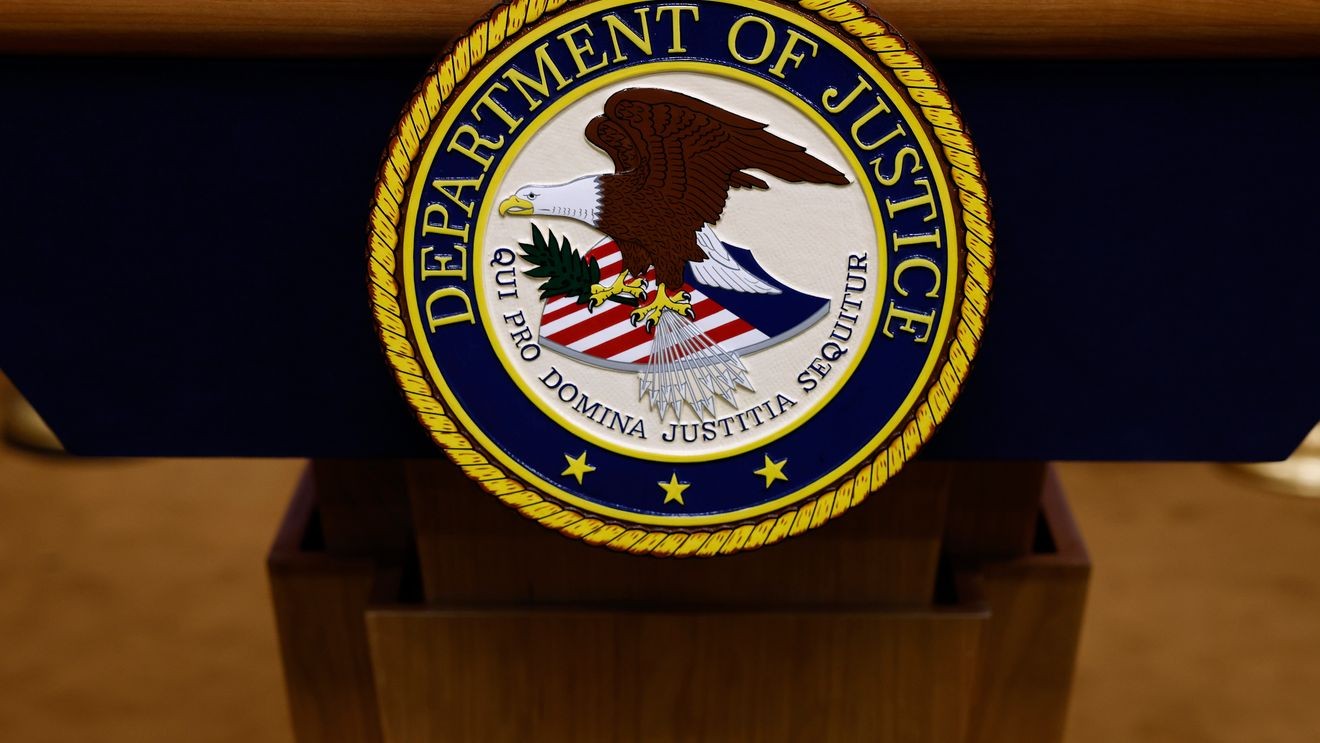
MARYLAND (WBFF) — The Department of Justice (DOJ) filed a lawsuit Thursday against Maryland, challenging its state laws that provide in-state tuition and financial assistance to undocumented immigrants.
This lawsuit is the 13th filed to challenge in-state tuition for undocumented immigrants, according to officials.
The DOJ alleges that the state laws unconstitutionally discriminate against citizens who are not given the same reduced tuition or scholarships, make incentives for illegal immigration and reward undocumented illegals with benefits that citizens aren’t eligible for. The Department said all these reasons conflict with federal law.
“Congress long ago made clear that Maryland cannot deny educational opportunities to American citizens that it gives to illegal aliens in the State,” Associate Attorney General Stanley Woodward said via press lease. “By granting illegal aliens in-state tuition, Maryland is not only violating federal law but subsidizing education for illegal aliens, costing Maryland taxpayers roughly $9M for just one academic year. This Department of Justice is committed to fulfilling President Trump’s promise that illegal aliens will not obtain taxpayer benefits or preferential treatment over our own citizens.”
ALSO READ | Lawmakers respond to DOJ lawsuit about controversial Community Trust Act
The lawsuit lists the State of Maryland, the Maryland Higher Education Commission (MHEC) and the University System of Maryland Board of Regents as the defendants.
Assistant Attorney General Brett A. Shumate, of the Justice Department’s Civil Division, said the DOJ will not allow American students to be “treated like second-class citizens in their own country.”
In the complaint, the U.S. seeks to direct enforcement of a Maryland statute and regulation that requires colleges and universities to charge in-state tuition to undocumented immigrants who have in-state residency, regardless if they’re lawfully in the country. The complaint also seeks to direct Maryland from enforcing those laws to “afford financial assistance and scholarships to illegal aliens.”
Four similar lawsuits in Texas, Kentucky, Oklahoma and Nebraska have resulted in favorable orders for the DOJ.
Similar lawsuits are also pending nationwide in Illinois, Minnesota, Virginia, California, New Jersey, Kansas, Massachusetts and Rhode Island.
Read the 33-page lawsuit above
 Local Story