MARYLAND (WBFF) — As thousands of nonprofits crowd Maryland’s landscape, questions are growing about what kind of real-world impact millions of charitable and taxpayer dollars are having — and whether some organizations are even following basic state rules.
Kenny Ebron, a former nonprofit director, said he has seen few improvements on Baltimore’s streets despite the amount of money flowing into nonprofits.
“We haven’t seen anything on the streets. Nothing at all,” Ebron said.
“It’s like they’re getting thousands and millions of dollars, but we don’t see any changes in the city of Baltimore,” he added. “The city looks a terrible mess. So where’s the nonprofit money going?”
ALSO READ | Delinquent nonprofits still getting state money; critics demand tighter controls
An investigation by The Baltimore Sun recently found that many of Maryland’s more than 10,000 nonprofits are not in good standing with the state. A little more than 7% are deemed delinquent for not filing required paperwork with the state — an increase from 6.4% delinquent nonprofits in October.
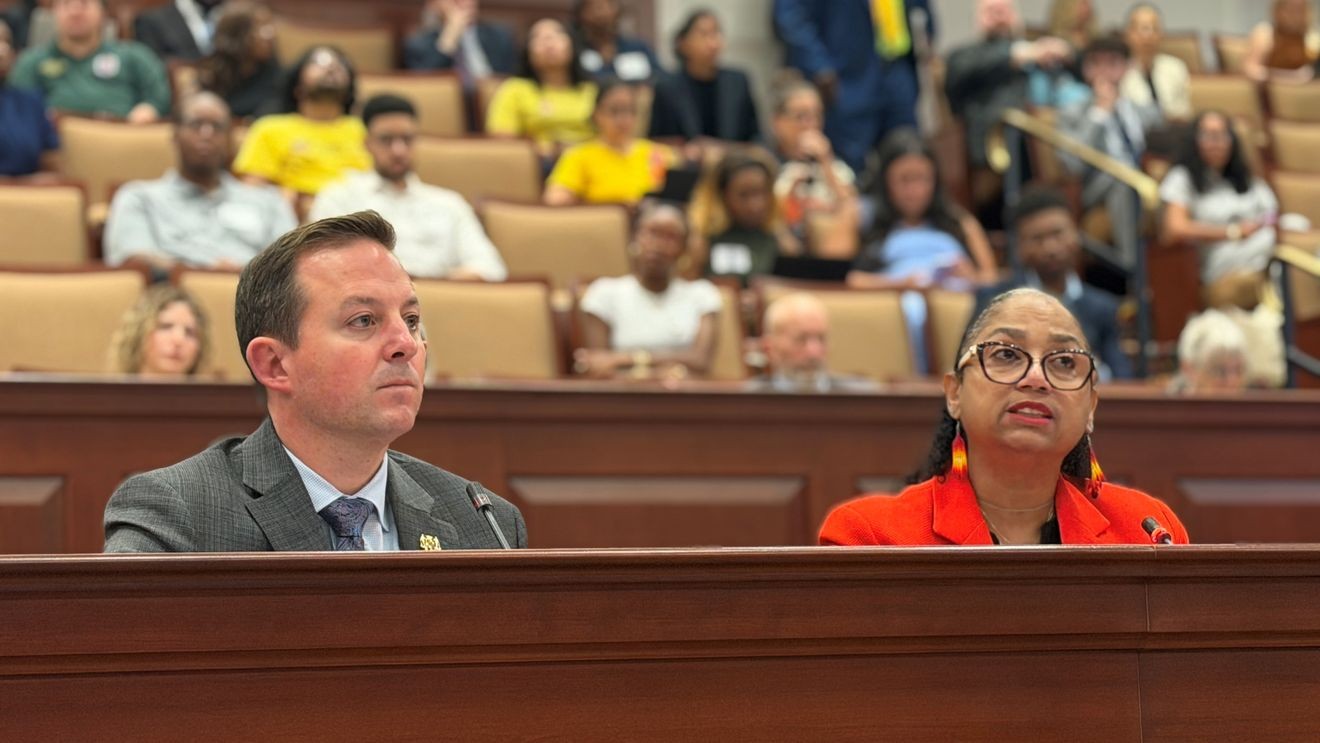
Del. Ryan Nawrocki criticized what he described as a lack of accountability.
Frankly some of these nonprofits feel like Al Capone where they feel like they can do whatever they want and still have this massive grift over taxpayer dollars,” Nawrocki said.
A FOX45 News investigation last fall found $26 million in city tax dollars had been pumped into nonprofits that had failed to comply with state law and had been deemed delinquent.
Ebron alleged that Baltimore has become a place where people can profit from grants without oversight.
“When you’ve got people coming from Boston and Philly. They’re coming here because this is where you make your money at this is where you don’t need receipts where you don’t have to apply for anything just get the grants make your money and get the hell out of here,” Ebron said.
State records show the Baltimore Urban League has been out of compliance for eight years and, despite being delinquent, has still received almost a million in city tax dollars.
“It’s easy for nonprofits to hide money and spend it on things like management or travel and that’s why you have to start at the beginning and make sure that if you give money to a nonprofit they are at least compliant with state regulations,” taxpayer advocate David Williams said.
 Local Story