Retire Smart Maryland Radio
6:00 pm - 7:00 pm
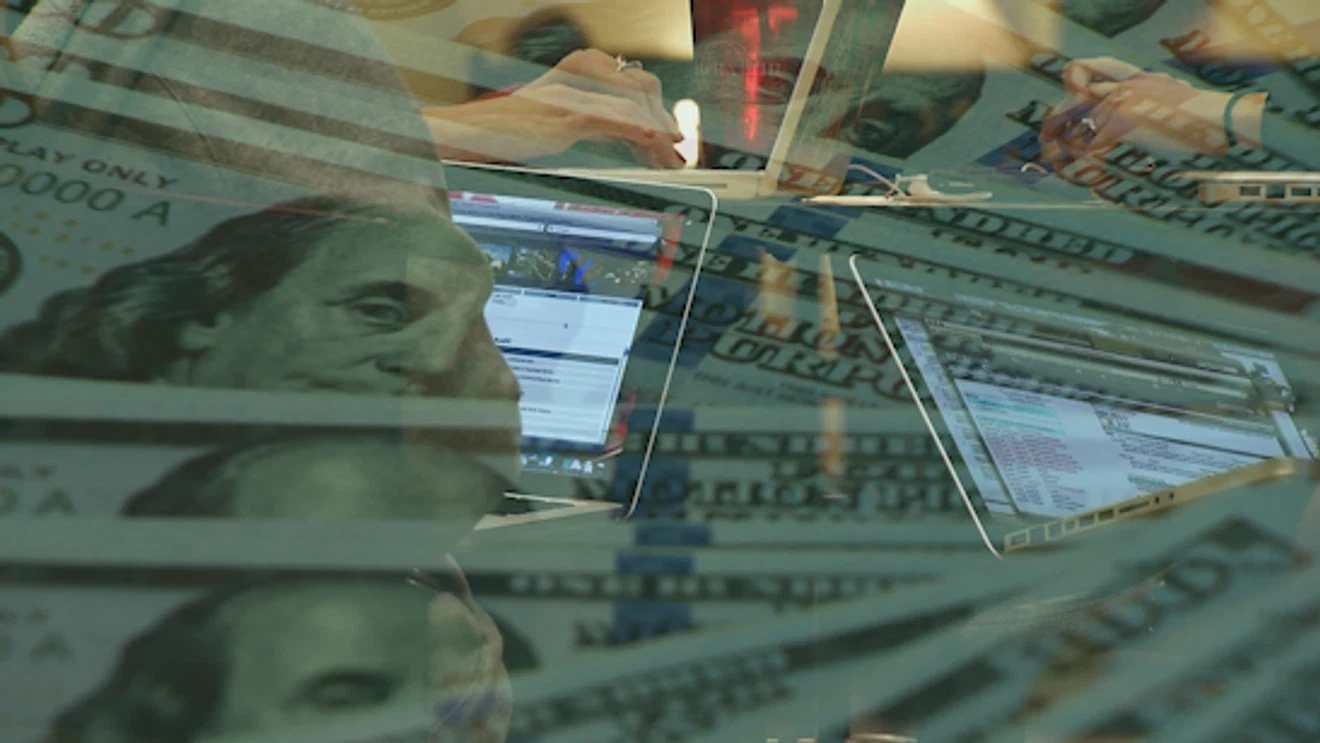
BALTIMORE (WBFF) — Maryland’s first-in-the-nation tax on digital advertising is facing an uncertain future after the Maryland Tax Court struck down the law, setting up a likely appeal and reigniting a broader debate over the state’s finances and business climate.
The ruling comes as Maryland is already confronting projected budget shortfalls and questions about its economic competitiveness. CNBC’s 2026 America’s Top States for Business rankings placed Maryland 49th in the nation in its economy category.
The digital ad tax was enacted by the General Assembly in 2021 after lawmakers overrode a veto from then-Gov. Larry Hogan. It applies to large companies that sell digital advertising in Maryland, with rates ranging from 2.5% to 10% based on a company’s global annual revenue.
The revenue was intended to help fund the Blueprint for Maryland’s Future, the state’s sweeping education reform plan.
The Maryland Tax Court ruled Friday that the tax violates the federal Internet Tax Freedom Act as well as provisions of the U.S. Constitution, including the Commerce Clause, Due Process Clause and First Amendment. The ruling came in cases brought by Apple, Google and Peacock TV.
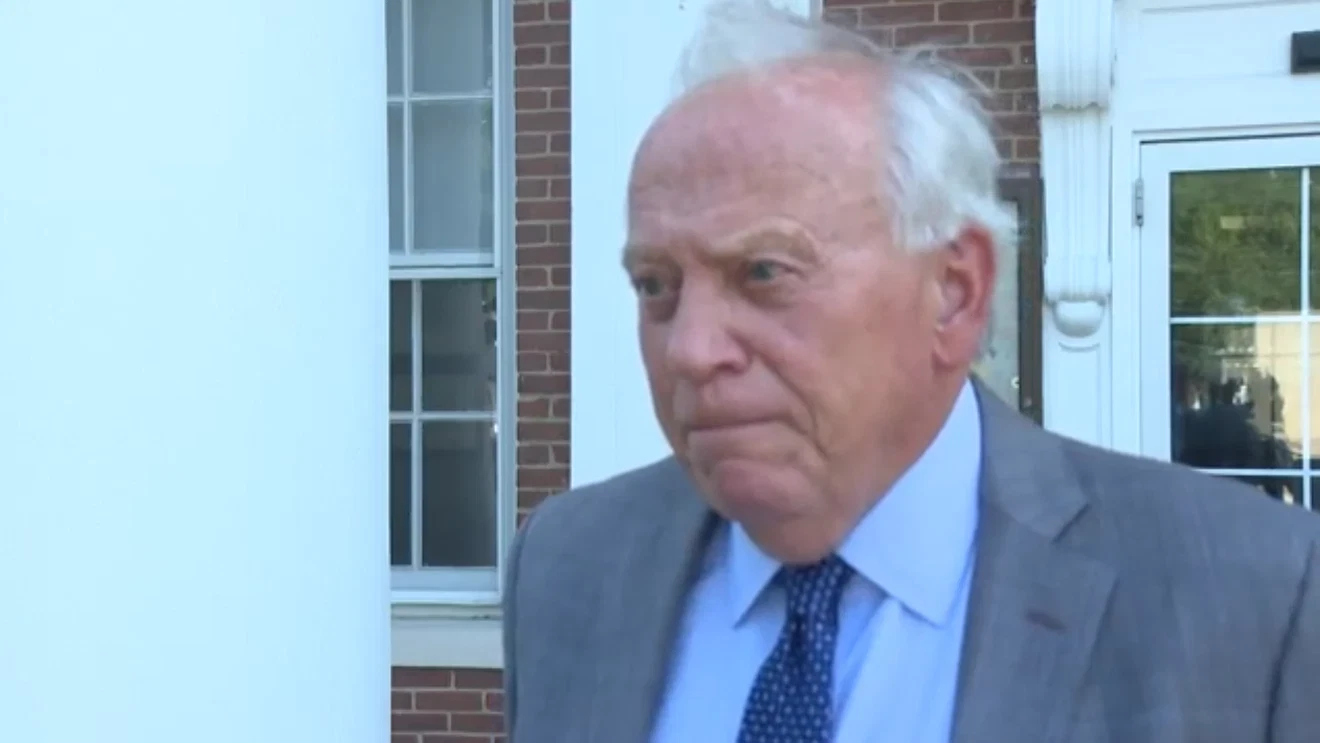
Economist Anirban Basu said the financial stakes for Maryland are significant.
“We’re talking about $535 million of taxes have been collected by the digital ads tax,” Basu said. “We always knew when this was considered by the General Assembly that this might be deemed illegal by the courts at some point in the future.”
Basu said the state now faces the possibility of returning that money, depending on what happens through the appeals process.
“The comptroller, Brooke Lierman, has said that this money has been fenced off,” Basu said. “It’s available, it’s in a different account, and it’s going to be paid back. And of course, there might be appeals before that happens.”
Lierman said she disagrees with the court’s decision and plans to continue defending the law.
“The Maryland Tax Court, an administrative agency, struck down Maryland’s Digital Advertising Tax. I respect but strongly disagree with the decision,” Lierman said in a statement. “I will continue to work with the Attorney General of Maryland in defending this important law, which aligns Maryland’s tax code with the reality of today’s economy, ensures that the country’s biggest tech companies pay their fair share, and provides essential support to Maryland’s public school systems.”
House Speaker Joseline Pena-Melnyk and Senate President Bill Ferguson also signaled that the court battle is not over.
“We respectfully disagree with today’s ruling and expect the legal process to continue,” the Democratic leaders said in a joint statement.
They defended the reasoning behind the tax, saying Maryland’s tax system needed to adapt as advertising and commerce increasingly moved online.
“As more commerce and advertising moved online, it was appropriate to modernize our tax code so that large digital advertising companies contributed alongside other businesses operating in our state,” Pena-Melnyk and Ferguson said.
We remain committed to ensuring that Maryland’s tax system is fair, sustainable, and reflects today’s economy. We will continue working with the Attorney General and Comptroller as this matter proceeds through the courts, said House Speaker Joseline Pena-Melnyk and Senate President Bill in a joint statement.
Republicans, who opposed the tax when it passed, say the ruling validates warnings they made years ago. Senate Minority Leader Steve Hershey called it one of the GOP’s “I told you so moments.”
“We certainly argued it when it came through the Senate chambers and had a great feeling that this was going to be unconstitutional,” Hershey said. “We had a lot of advice from the trade organizations that had talked about it. So isn’t surprising.”
Hershey said he expects the state to appeal but believes the tax ultimately will not survive the court system.
“I’m pretty confident that we’ll find out that no matter how high this goes up in the courts, that this will be deemed unconstitutional,” Hershey said.
Hershey said Republicans are now seeking more information about exactly how Maryland has handled the hundreds of millions of dollars already collected.
“Has this money truly been fenced off? Is it in an account that has been bearing interest?” Hershey asked. “Because when this money has to go back to the plaintiffs, it’s going to go back with interest.”
Hershey also raised another question: whether companies paying the tax passed some of those costs on to Maryland businesses and, if so, whether those businesses would ultimately benefit from refunds.
“At the end of the day, did the Maryland businesses get the refund, not just the groups?” Hershey said. “Does this money really get back to the businesses, or have Maryland businesses really been taking a hit through this all along?”
The decision also comes against the backdrop of growing debate over Maryland’s economic standing.
CNBC’s 2026 America’s Top States for Business study ranked Maryland 49th in its economy category. The ranking considers factors including economic growth, job growth, state finances, housing markets and new business formation.
Hershey argued the tax is part of a broader problem with Maryland’s approach to businesses.
“Maryland’s a tough place to do business,” Hershey said. “They look for ways to tax businesses and businesses are finding ways to either, you know, avoid those taxes in some legal fashion that they can, or simply they’re moving their businesses out of the state.”
Basu echoed that sentiment, and said Maryland needs to focus on expanding its private-sector economy.
“Our state’s financial condition is deteriorating, has been for several years now,” Basu said.
He pointed to Maryland’s credit downgrade by Moody’s last year, persistent state budget shortfalls and a labor market that he says has struggled to generate enough growth.
“We’ve got a problem,” Basu said. “We need to attract more private investment, more job creation. We’re just not up to it right now.”
Basu said the digital advertising ruling could become especially consequential as lawmakers prepare for the 2027 legislative session and another expected debate over the state’s finances.
“We need to pass legislation that is deemed to be legal, because if we continue to do these kinds of things, and collect revenues and then all of a sudden have to return these revenues, we’ll never get out of this fiscal hole that we’re in,” Basu said.
“We need to create a bigger economy. We need to attract more taxpayers.”
Follow Political Reporter Mikenzie Frost on X and Facebook. Send tips to mbfrost@sbgtv.com.
 Local Story