BALTIMORE (WBFF) — Baltimore City State’s Attorney Ivan Bates delivered another sharp criticism of Maryland’s juvenile justice system, arguing the state is prioritizing process over public safety while failing the very children it is supposed to help.
“It’s broken from top to bottom,” Bates told FOX45 News in an interview Friday. “When you look at the system, the group that actually is in charge of the juvenile system is [the] Department of Juvenile Services,” Bates said.
“DJS is supposed to be the advocate for the children,” Bates added.
Rather than centering discussions on criminal charges, Bates said the state should focus on addressing the underlying issues driving young people into the justice system and the necessary programming to ensure better outcomes.
“We need to stop saying we’re focusing on the crime,” he said. “We need to treat the actual young people. The system needs to focus on young people instead of the charges.”
At the same time, Bates argued lawmakers have stripped judges and prosecutors of tools they need to respond when juveniles repeatedly commit serious offenses. Bates said legislators should rely more heavily on prosecutors, judges and others working daily inside the juvenile justice system before making policy changes.
“They need to really listen to the people who are in the system, who are on the ground floor,” he said.
Bates pointed to several changes he would like to see made within the juvenile system, including extending juvenile case timelines from 30 days to 60 days for felony cases to mirror the adult court system; allow detention in more misdemeanor cases when appropriate; and return greater discretion to judges, whom Bates described as neutral decision-makers.
“DJS, your job is to protect and advocate for the children,” Bates said. “The courts should be making those decisions.”
Bates continued to take issue with the Youth Charging Reform Act; a piece of legislation that was signed into law, curbing the number of charges that will automatically land a juvenile in the adult court system.

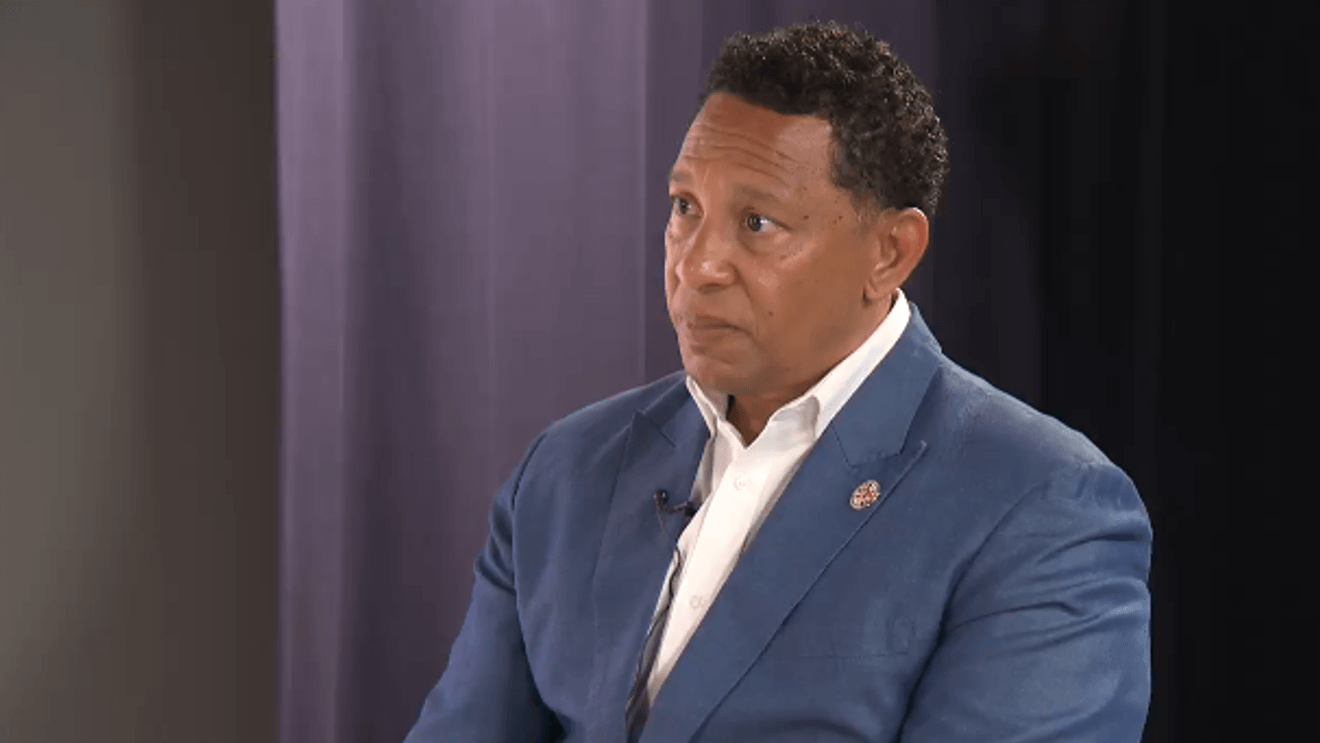
Baltimore City State’s Attorney Ivan Bates during an interview with FOX45’s Mikenzie Frost on July 10, 2026 to talk about his frustration with the juvenile justice system. (WBFF)
Bates and other state’s attorneys lobbied against the plan, arguing it would make it more difficult to hold young offenders accountable. The legislation is set to take effect Oct. 1, 2026.
“When you look at the juvenile system under this new law, that’s broken,” he said. “A juvenile could have one gun, 12 guns, 18 guns. We have to have a number of how many guns before this young person starts in the adult system?”
Despite losing the legislative battle this year, Bates said prosecutors are not giving up.
“We realize there’s not going to be an appetite,” he said. “So we as prosecutors are going to do everything we can to educate the legislature about the things that are broken within the system so that they do not make knee-jerk reactions that affect public safety.”
When talking about DJS, the issue of ankle monitors often surface. In July 2025, the agency announced that young people who are already wearing monitors and are arrested again facing certain charges will be detained. But, Bates said the wording wasn’t clear from DJS, and the young person is often released quickly.
According to Bates, once those cases reach court, DJS frequently recommends releasing the juvenile. He said his office analyzed cases in Baltimore City, and 72% of juveniles initially detained on first-degree assault charges were later recommended for release by DJS; 63% of juveniles initially detained on handgun charges received release recommendations, Bates said; and 74% of juveniles initially detained on armed robbery charges were recommended for release.
“Once again, because this is a system under a cloud of secrecy, things happen that the people who are on the ground really see what’s going on,” Bates said.
He argued that quickly releasing repeat offenders sends the wrong message.
“That’s not enough because you’ve told them that it doesn’t matter,” Bates said. “Children are very, very smart. If they know there is no accountability, they will do whatever they want to. The system must have that level of accountability.”
Follow Political Reporter Mikenzie Frost on X and Facebook. Send tips to mbfrost@sbgtv.com.
 Local Story