Maryland lawmakers have passed a new bill aimed at stopping the most dangerous repeat speeders – by forcing their cars to slow down.
RELATED | States look to technology to crack down on some of the most dangerous drivers
The legislation requires certain high-risk drivers — those with a history of extreme or repeated speeding violations — to install Intelligent Speed Assistance, or ISA, devices in their vehicles.

Companies like SmartStart produce speed-limiting devices that will soon be required in the vehicles of some of Maryland’s most dangerous, repeat offenders. Photo: SmartStart
The technology uses GPS and digital speed limit data to prevent a car from going above the speed limit – essentially acting as a built-in governor for drivers who have proven they won’t slow down on their own.
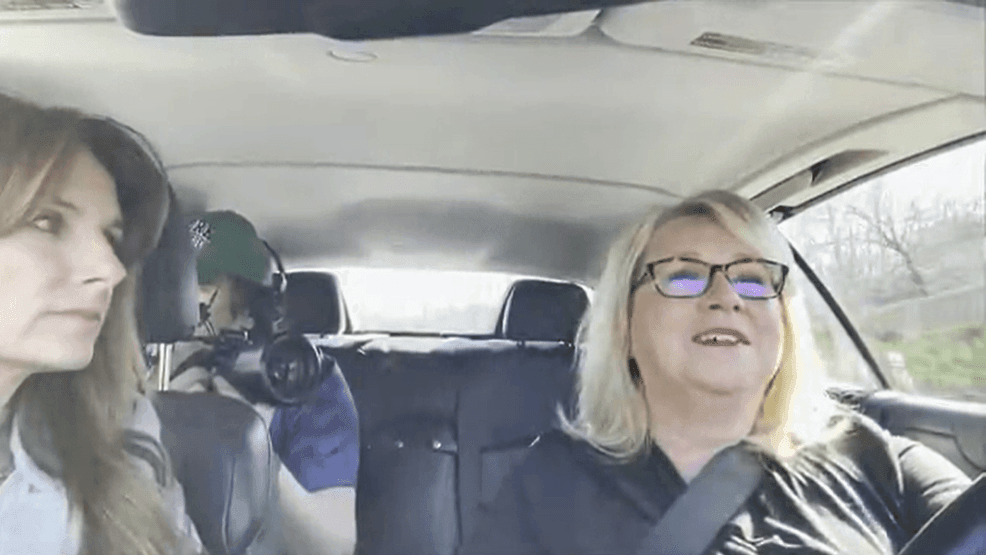
Brandy Nannini of Smart Start demonstrated the speed limiting technology that prevents drivers from exceeding posted limits to 7News senior investigative reporter, Lisa Fletcher. Photo: SBG
For years, traffic safety advocates have argued that traditional penalties – like license suspension – often fail to keep dangerous drivers off the road. In fact, some estimates suggest as many as 75% of drivers with suspended licenses continue to drive anyway.
That reality has fueled a push for a different approach, one that focuses less on punishment after the fact and more on physically preventing dangerous behavior in the first place.
Maryland is now among a small but growing number of states moving in that direction. Similar laws have been passed in D.C., Virginia and Washington state and are being considered in at least a dozen others as policymakers look for new ways to address speeding, which is a factor in roughly one-third of all traffic deaths nationwide, which is on par with drunk driving.
Under Maryland’s new law, drivers ordered into the program would have to install ISA technology in their vehicles as a condition of keeping limited driving privileges.
JOIN THE CONVERSATION (1)
The bill, which has passed both chambers, now awaits Gov. Wes Moore’s signature.
 Local Story