The Scott Jennings Show
8:00 pm - 10:00 pm
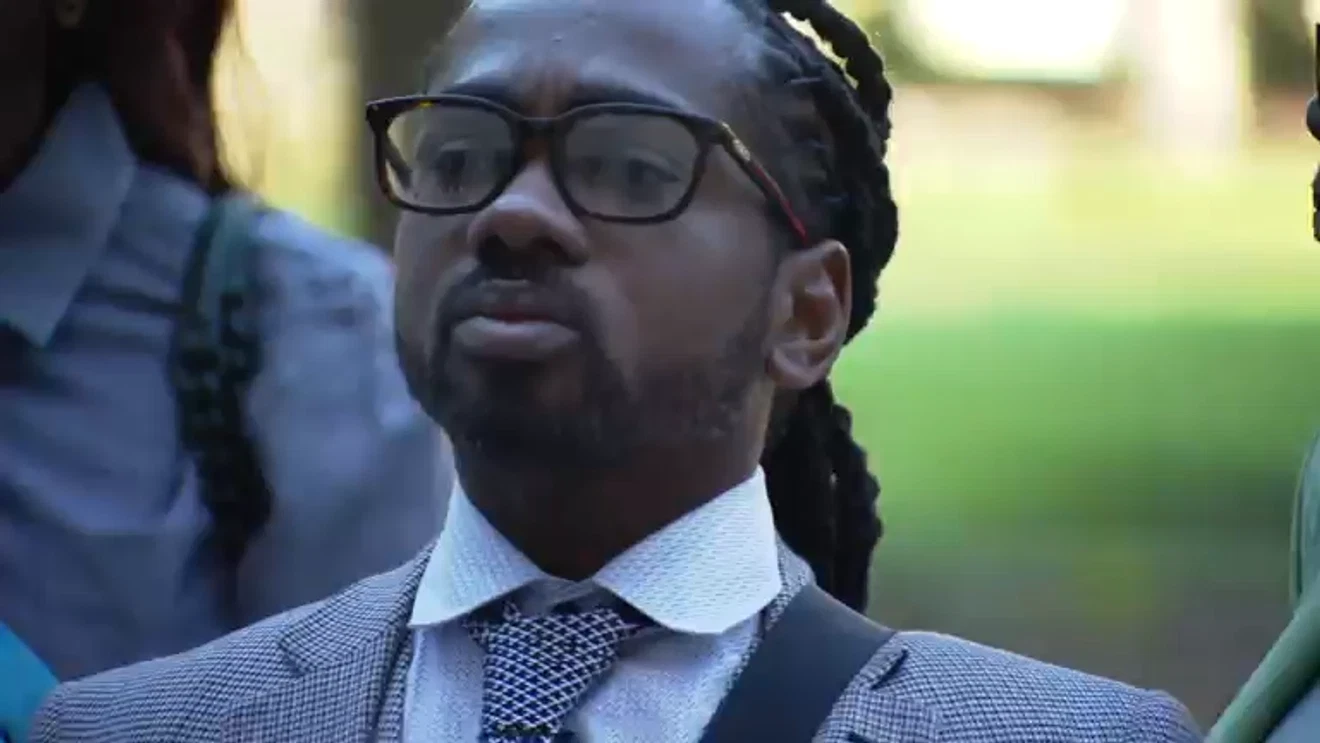
WASHINGTON (7News) — A packed courtroom heard opening statements Tuesday in the federal bribery trial of D.C. Councilmember Trayon White.
According to the criminal complaint, White agreed to accept $156,000 in cash payments in exchange for using his position to pressure employees at the D.C. Office of Neighborhood Safety and Engagement and the Department of Youth Rehabilitation Services to extend violence-intervention contracts.
RELATED | Trayon White calls for ‘fair shake’ ahead of bribery trial, DOJ files emergency motion
Those contracts were valued at $5.2 million, and prosecutors allege White’s share would have been 3%. The complaint alleges White received four separate $35,000 cash payments between June and August 2024 and that the agreement was captured on video with a confidential informant, who owned the companies. White has pleaded not guilty.
During opening statements Tuesday, each side showed video clips of White’s conversations with the informant, Allieu Kamara. Prosecutors argued the recordings show White agreed to sell his position on the council in exchange for cash to steer the violence-intervention contracts.
Defense attorneys argued there was no quid pro quo because White never followed through. They maintained that White did not steer city contracts and, at most, called to ask about their status.
The defense identified the informant as White’s brother-in-law and said Kamara had made substantial campaign contributions to White. White’s attorney argued Kamara was seeking a deal in his own legal troubles and deliberately tried to steer recorded conversations with White toward an explicit quid pro quo.
The defense called Kamara “corrupt to the bone.”
Prosecutors argued it does not matter whether White ultimately acted on the agreement; they said the alleged agreement itself is what matters.
The government called two witnesses to the stand Tuesday: Nicole Streeter, general counsel for the D.C. Council and Matthew Gano, an FBI agent.
The prosecution asked Streeter about the council’s Code of Conduct and the annual employee trainings covering that code, which Streeter said White participated in. The defense began a line of questioning with Streeter, including about the legal dispute on whether the Code’s ethics provisions are enforceable, but ultimately asked the judge to recall her as a defense witness.
Gano testified during the government’s questioning that confidential human sources are a good tool to gather evidence. He said Kamara became an informant after the FBI confronted him with evidence of COVID relief loan fraud. Gano said Kamara told investigators he had previously bribed White and other city officials.
During Gano’s testimony, prosecutors played the video clips of White in the car with Kamara. In the video from Aug. 8, 2024, Kamara is heard asking White whether there are any other opportunities they can work on for 3% and White says yes, later adding that he is trying to build a federal contracting business. Later in the video, when White gets out of the car, he is arrested.
During cross-examination, Gano said he was unaware Kamara was related to White in any way. He also testified that it never came up whether Kamara owed money to White – meaning Kamara never disclosed that to investigators.
Gano testified he couldn’t point to any specific records to establish Kamara paid White in the past with a bribe, which Kamara had alleged to the FBI as part of his offer of becoming a confidential informant.
The agent testified Kamara was on the FBI’s radar for COVID relief loan fraud.
The trial is expected to last about two weeks.
If convicted, White faces up to 15 years in prison and would lose his seat on the D.C. Council.
 Local Story