WASHINGTON (TNND) — President Donald Trump is announcing an expansion of his administration’s Ratepayer Protection Pledge during an event at the Environmental Protection Agency (EPA) on Thursday, as the White House says the initiative is designed to protect Americans from higher electricity bills driven by the rapid growth of artificial intelligence data centers.
Trump delivered remarks at EPA headquarters alongside EPA Administrator Lee Zeldin, Energy Secretary Chris Wright and state leaders expected to participate in the expanded pledge.
Ahead of Trump’s remarks, White House Press Secretary Karoline Leavitt said the president is expanding the pledge to ensure “the American people are never left footing the bill so private companies can benefit.”
The White House said nearly 200 additional stakeholders are expected to join the voluntary agreement, including governors, electric utilities, public power providers, electric cooperatives and data center developers. Together, they account for roughly 80% of the electricity delivered to U.S. homes and businesses, according to the administration.
The Ratepayer Protection Pledge was first unveiled in March, when major technology companies—including Amazon, Google, Microsoft, Meta, OpenAI, Oracle and xAI—agreed to pay for the new power generation and grid infrastructure needed to support their AI data centers rather than passing those costs on to residential customers. The pledge is voluntary and nonbinding.
At the time, White House Office of Science and Technology Policy Director Michael Kratsios said, “American AI leadership should never come at the cost of hardworking Americans’ ability to pay their electricity bills,” adding that the pledge is intended to strengthen the electric grid while protecting consumers.
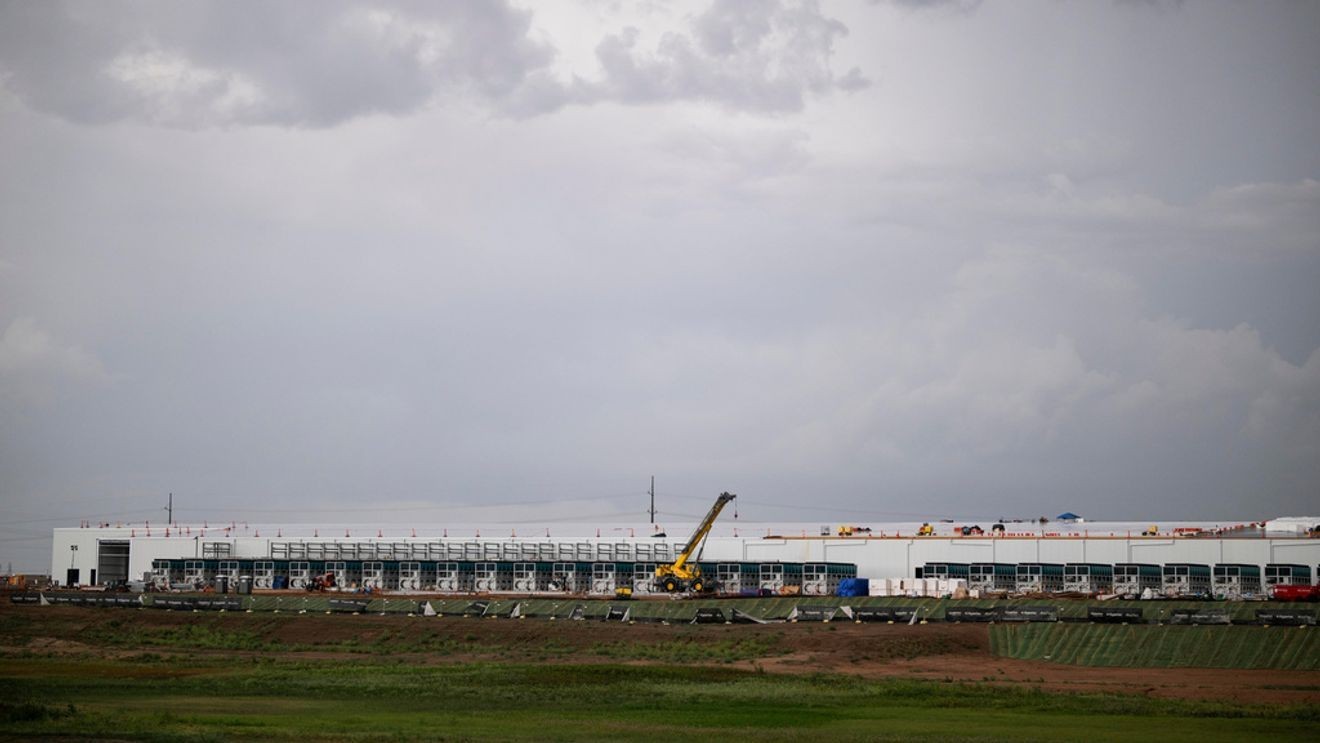
The announcement comes as electricity demand is projected to surge because of AI infrastructure. The Trump administration argues the pledge will help meet that growing demand while preventing the costs of new power generation and grid upgrades from being passed on to households and businesses. Critics, however, have questioned whether a voluntary agreement will be enough to prevent future rate increases
 Local Story