
Why do workers earn so much less than CEOs, and why should shareholders collect profits instead of the employees doing the day-to-day work? For many young people, Democrats, and especially socialists, those differences are evidence of unfairness, making higher taxes on the wealthy and greater redistribution seem like natural solutions to the affordability crisis. But that argument overlooks how workers are already compensated, who takes the financial risk, and what it takes to build and run a successful business.
Advertisement
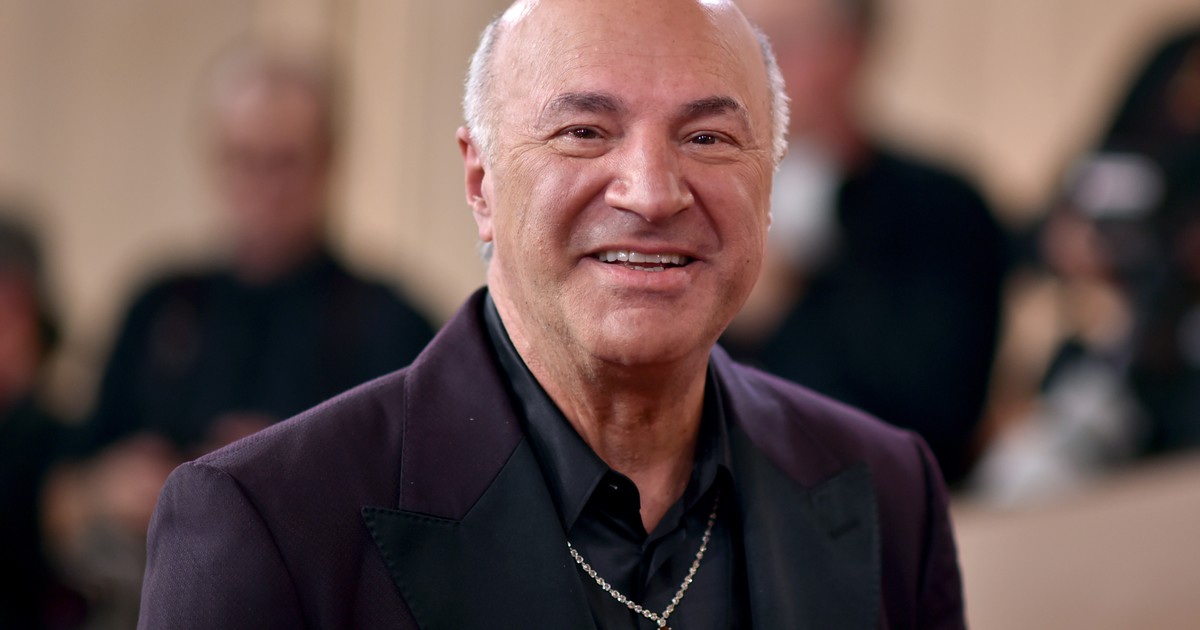
The question surfaced over the weekend in Jubilee’s latest “Surrounded” video, in which entrepreneur Kevin O’Leary debated 20 Gen Z workers on issues surrounding affordability. One worker asked why a company like Starbucks couldn’t distribute its roughly $2 billion in profits to employees earning just $17 an hour, describing that redistribution as a “chance to build wealth.” The exchange captured a broader disagreement: whether profits are an unfair benefit reserved for those at the top or a reward for investing in and leading a business.
Gen Z worker questions Kevin O’Leary on why Starbucks profits go to shareholders instead of employees and Kevin claps back saying “Nobody’s making you work there” “What if Starbucks took the roughly $2B in profit they made last year and they gave it back to the people who actually pour coffee?” “What if we actually gave workers a chance to build wealth?” Kevin O’Leary: “The problem with that scenario is if you don’t leave any for the people that took…” Gen Z worker: “I said some” Kevin O’Leary: “I believe that company actually does do profit distribution” Gen Z worker: “They don’t. Last year they actually gave all their profit away back to… take a guess. Where do you think it went?” Kevin O’Leary: “Well, shareholders I guess” Gen Z worker: “Dividends. There you go. So why should all the money we make doing our like work, our labor, why should it go to people like you? We did the work” Kevin O’Leary: “Nobody’s making you work there”
— Jack (@Jackkk) November 16, 2026
Recommended
Advertisement
“Let’s pretend, for example, instead of security, he’s like a Starbucks worker, which is an average Gen Z job,” the Gen Z worker said. “They make about 17 bucks an hour in New York City. What if, instead of him becoming a supervisor, hypothetically, Starbucks took the roughly $2 billion in profit they made last year, and they gave it back to the people who actually pour coffee? What if we actually gave workers a chance to build wealth?”
While O’Leary acknowledged that much of the company’s profit goes to shareholders, a seemingly universal injustice in the eyes of critics, that objection overlooks several things.
First, there is little preventing Gen Z workers at Starbucks, or other minimum-wage workers, from investing in publicly traded companies. “Shareholder,” like so many other terms, has become a catchall for someone profiting unjustly, even though the barriers to becoming one are practically nonexistent.
Second, what many socialists and Democrats overlook is that a company like Starbucks already distributes a significant share of its revenue to workers through this thing called wages and benefits. According to a financial breakdown of Starbucks’ 2026 fiscal year, which ended in late September, about a quarter of its $39 billion in revenue, $10.2 billion, went toward employee compensation. In other words, the company was already doing what the debater demanded: sharing its revenue with the people who pour the coffee.
Advertisement
What if Starbucks gave just SOME of their $39 billion dollar revenue to employees? https://t.co/cXVUo3j5zu
— Quick Thoughts (@lthlnkso) November 16, 2026
After paying wages, supplies, taxes, and other operating costs, the company was left with roughly $2 billion in profit, a return to shareholders and executives who invested in and led a profitable, efficient business that provides something people value.
Had the company failed to turn a profit because its executives ran it poorly, shareholders would have received no share of the profits, and executives would have missed out on any profit-based compensation. Yet wages for salaried and hourly workers, equipment, taxes, supplies, and other operating costs would still have needed to be paid. Those obligations remain whether the company profits or not. Shareholders put their investment at risk, while executives stake part of their compensation on the company’s performance. When the business succeeds, they receive the reward.
But nowadays, too many people want none of the risk and all of the reward. They don’t want to wager everything they have on a business idea or take on the challenge of building a successful company. They want to work a job without assuming those responsibilities, yet reap the same benefits as those who do.
Advertisement
The beauty of free markets, when they work properly, is that they reward people for creating value, and the earnings of entrepreneurs and CEOs reflect the scale of the businesses they build, the decisions they make, and the responsibilities they carry.
Editor’s Note: Do you enjoy Townhall’s conservative reporting that takes on the radical Left and woke media? Support our work so that we can continue to bring you the truth.
Join Townhall VIP and use promo code FIGHT to receive 60% off your membership.

 National Headline
