Safe Money and Income with Adam Waskey
11:00 am - 12:00 pm
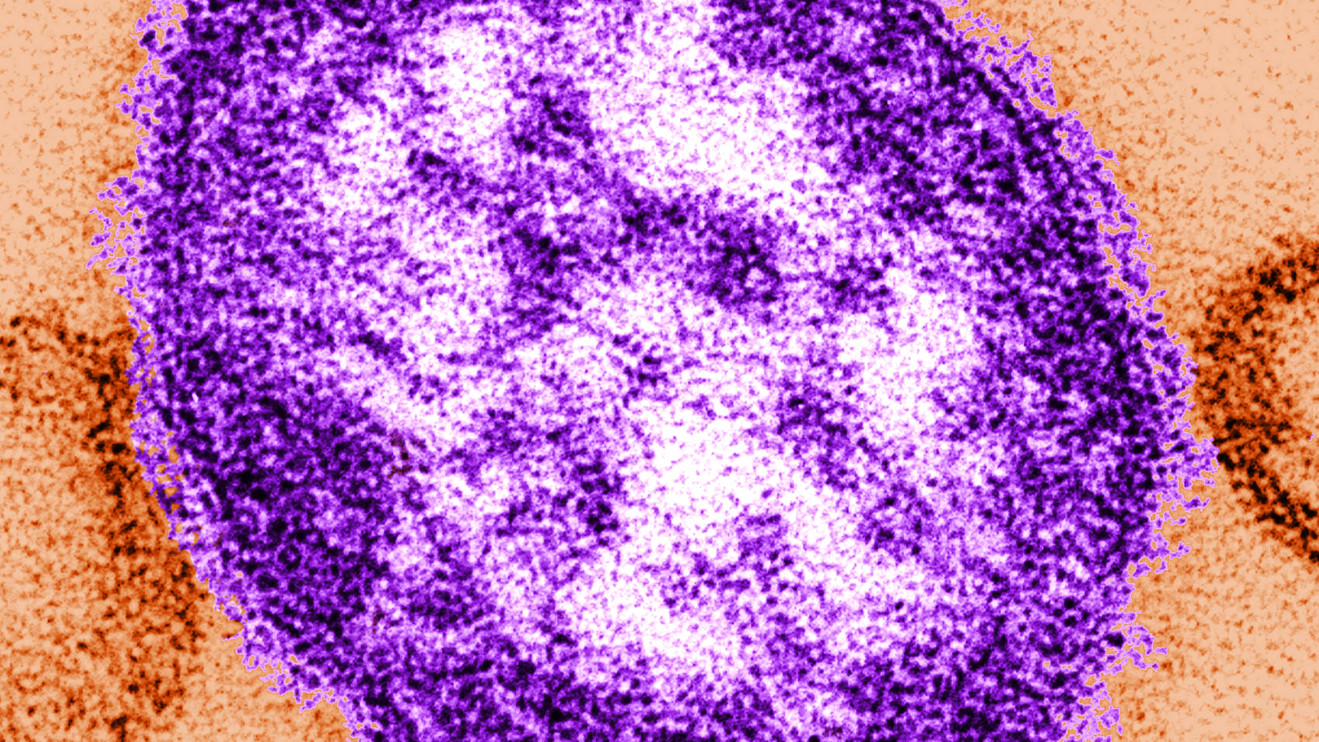

MARYLAND (WBFF) — Two Maryland residents who are from the Baltimore metro area and recently traveled to an area in the country with active measles transmission have contracted the disease, the Maryland Department of Health confirmed on Friday.
The exposure’s source is not definitively known at this time, but health officials said they’re working to identify people who may have come into contact with the infected individuals.
ALSO READ | Maryland man sentenced to nearly two years for role in nursing credentials scam
Currently, there’s no known connection between these measles cases and an international travel-associated case reported by the MDH on Sunday, April 19.
The highly-contagious disease is spread easily through the air when an infectious person breathes, coughs or sneezes, officials said. The virus can remain in the air for up to two hours after the infected person leaves that area. It also spreads by direct contact and after touching infected surfaces.
Anyone who visited the following locations in Maryland during any of the listed dates and hours may have been exposed:
What you should do if you think you have been exposed:
Early symptoms of measles include: a fever of more than 101 degrees Fahrenheit, runny nose, cough and red, watery eyes. Usually one to four days after the early symptoms, health officials said a red rash appears on the face and spreads to the rest of the body. Symptoms typically develop 10-14 days after exposure, but can develop as early as seven days and as long as 21 days after exposure. A person with measles is contagious starting four days before the rash appears until four days after the rash begins.
Vaccination remains essential to protecting ourselves, our families, and our communities against measles and other infectious diseases,” MDH Deputy Secretary for Public Health Services Dr. Meg Sullivan said via press release. “Talk with your healthcare provider to ensure you and your family are up to date with all recommended vaccines, including the MMR vaccine.”
The MDH recommends all eligible people get fully vaccinated against measles. The vaccine is routinely recommended at 12-15 months of age for the first dose and four- to six-years-old for the second dose. Sometimes a dose is given as early as six to 12 months if there is travel planned to an area with ongoing measles transmission.
The measles, mumps, and rubella (MMR) vaccine is covered for those with health insurance and through the Vaccines for Children Program, officials said. Adults who are uninsured or underinsured can check with their local health department about the availability of a free vaccine as part of the Maryland Vaccine Program.
Measles cases occur sporadically in Maryland, with three cases of measles identified in Maryland last year, one in 2024, one in 2023 and no cases from 2020-2022. Prior to these cases, there has been one other confirmed case in a Maryland resident in 2026, a person who traveled internationally.
To protect the individuals’ privacy, the MDH will not provide any additional information about the individuals.
 Local Story