ARLINGTON, Va. (7News) — Virginia health officials are investigating the state’s first documented case of locally acquired dengue virus after a resident likely became infected through a mosquito bite.
The Virginia Department of Health (VDH) said the patient had not traveled outside the state before getting sick.
Officials believe a local mosquito first bit another Virginia resident who had recently contracted dengue while traveling internationally. That mosquito then likely spread the virus to the second person.
The two people live in different counties in Northern Virginia, according to VDH. The Fairfax County and Loudoun County health departments are working with VDH to coordinate the investigation and public health response.
Earlier in the year, the Centers for Disease Control and Prevention (CDC) issued a global travel alert for dengue, warning that travelers returning to the U.S. are testing positive for mosquito-borne illness.
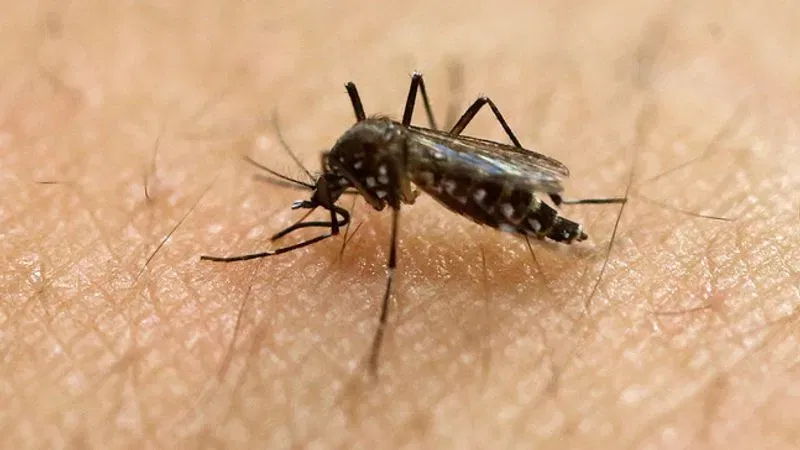
FILE – In this Jan. 18, 2016, file photo, a female Aedes aegypti mosquito, known to be a carrier of the Zika virus, acquires a blood meal on the arm of a researcher at the Biomedical Sciences Institute of Sao Paulo University in Sao Paulo, Brazil. A report by the United Nations Development Program and the International Federation of Red Cross and Red Crescent Societies says the Zika virus epidemic is expected to have a significant short and long-term economic and social impact in the Americas. The report that focuses on Brazil, Colombia and Suriname was released on Thursday, April 6, 2017, in New York. (AP Photo/Andre Penner, File)
Health officials said the cases are epidemiologically linked. There is no evidence that dengue continues to spread in Virginia, and no more locally acquired cases have been reported.
The risk of contracting dengue in Virginia remains low, VDH said.
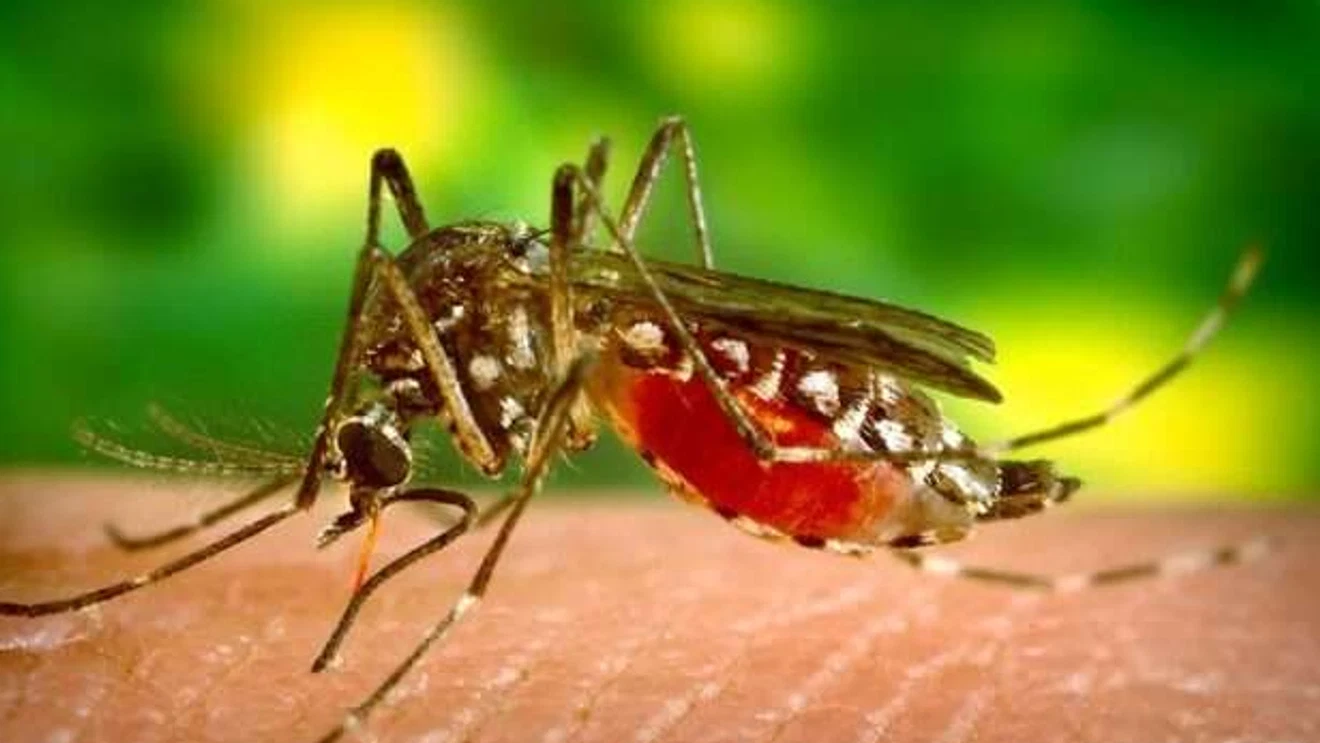
Dengue, also known as “dengue fever” or “breakbone fever,” is spread through the bites of infected Aedes mosquitoes, which are found in many parts of the U.S.
Most American cases involve people who recently traveled to places where dengue is more common. Limited local spreading has previously been documented in other parts of the country.
Symptoms typically begin five to seven days after infection and may include:
In some cases, it can be deadly, with symptoms such as hemorrhaging or uncontrolled bleeding, seriously low blood pressure, and organ failure.
Symptoms usually last two to seven days, and most people recover within about a week.
About one in 20 infected people develops severe dengue, which can cause shock, internal bleeding or death, according to VDH.
People should seek medical care for warning signs such as severe abdominal pain, persistent vomiting, bleeding or changes in mental state.
VDH and local health departments are monitoring for more infections and conducting surveillance of mosquitoes capable of carrying dengue.
Residents are encouraged to use insect repellent, wear protective clothing and remove standing water around homes and businesses.
Aedes mosquitoes can breed in small amounts of water, including water collected inside containers as small as bottle caps.
Health officials recommend regularly emptying and removing outdoor containers that can hold water.
Anyone experiencing fever and symptoms associated with dengue should speak with a health care provider, particularly if they recently traveled to an area where the virus is spreading.

 Local Story