The Scott Jennings Show
8:00 pm - 10:00 pm
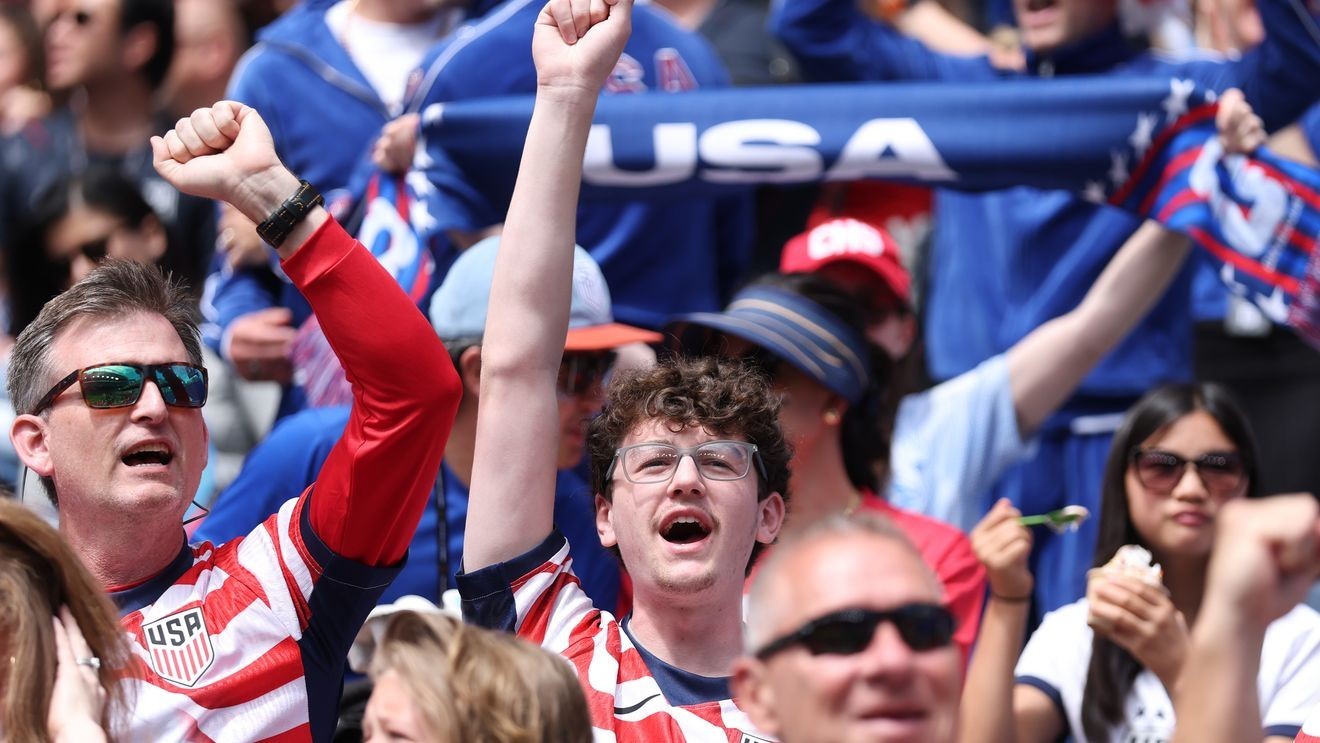
WASHINGTON (7News) — As major events draw record crowds and sky-high demand, some fans are learning an expensive lesson about the risks of buying tickets on secondary-market websites.
Stephen Parker, with the National Independent Venue Association, says one of the biggest concerns is what are known as “speculative tickets,” or “ghost tickets.”
Those are tickets listed for sale even though the seller does not actually have them.
“So during the World Cup, but also every single day in the U.S., even when the World Cup isn’t happening, there are listings for tickets that are posted on resale platforms like StubHub that don’t exist,” Parker said.
Parker said resale platforms do not always verify whether sellers actually have the tickets they are listing. That can leave fans outside a stadium, arena or concert venue if a ticket is never delivered or does not scan at the gate.
Parker said the financial impact can go far beyond the ticket itself.
Fans often book hotels, flights, rides, and meals months in advance for major events. Even if a ticket buyer eventually receives a refund, Parker said those other costs may not be covered.
“They are paying for hotels, airfare, ground transportation, food, and so many other things that will never be refunded, even if they get back the full cost of that ticket,” Parker said.
He said the problem is not limited to international sporting events.
According to Parker, venues across the country regularly see customers arrive at box offices upset because they believed they had purchased valid tickets through a resale platform, only to find the tickets were never delivered.
“This is affecting venues and sporting events and shows of every size, all the way down to 100-capacity rooms, all the way up to 75,000-capacity stadiums,” Parker said.
SEE ALSO | McDonald’s unveils FIFA World Cup 26 meals with collectible cups and Squishmallows
Parker said his organization is part of an effort to push for tougher laws regulating ticket resale.
In D.C., he said a bill known as the Resale Act is moving through the D.C. Council. Parker said the proposal would ban the sale of speculative tickets and cap resale prices.
“What we are seeing right now around the World Cup can be addressed by the District of Columbia this month,” Parker said.
Parker pointed to the 2022 World Cup in Qatar, where resale prices were capped at face value, as an example of a system he believes helped prevent some of the issues now being reported.
He said the D.C. proposal would still allow some fees and other costs to be added, but would limit how much tickets could be resold for.
Parker said ticket buyers should avoid clicking the first link they see in search results.
Instead, he recommends checking the official box office, the artist’s website, the venue’s website, or the official team website first.
“In the overwhelming amount of shows, tickets are still available from the box office,” Parker said. “For many sporting events, tickets are still available from the box office. And if tickets are still available, oftentimes the lowest price you can get is from the box office.”
Parker said that if fans buy through resale platforms, they should understand the risks.
He said buyers often do not know the seller’s name, location, or track record of delivering valid tickets.
“Be vigilant,” Parker said. “If the show is sold out, try to find the lowest price that you can and hope and pray that ticket is delivered to you.”
Parker said until lawmakers act, consumers may not have full protection when buying tickets through the secondary market.
 Local Story