MARYLAND (WBFF) — Maryland’s new paint recycling fee is drawing sharp criticism from some residents who argue it amounts to a “money grab” that benefits a single nonprofit organization.
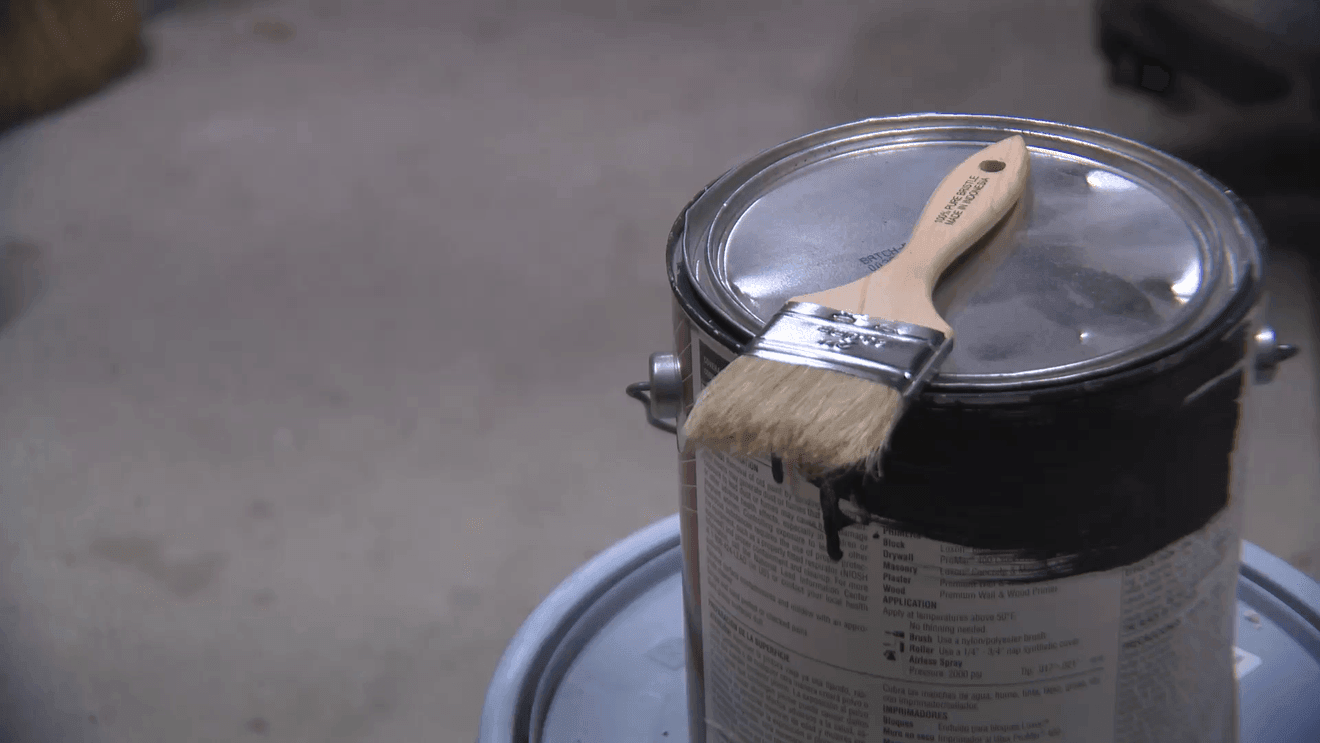
The new $1.15 fee on every gallon of paint sold in Maryland will pay for a new paint recycling program. The program will be operated by the nonprofit PaintCare, which runs similar programs in 12 other states.
“This one nonprofit has the monopoly on paint just like BGE has the monopoly on energy,” Kim Klacik said on WCBM Tuesday morning. “A lot of these legislators are fine with it because these lobbyists are giving them money to their campaigns.”
ALSO READ | Maryland’s new paint fee sends professional painters to Pennsylvania to buy supplies
In the five years prior to winning approval in Annapolis, PaintCare’s parent organization, American Coatings, contributed to the campaigns of several key lawmakers in Annapolis. Former House Speaker Adrienne Jones and Senate President Bill Ferguson received $500 contributions.
The organization also contributed hundreds of dollars to the campaigns of five state senators who sit on the Education, Energy and Environment Committee, which approved the bill and sent it to the full Senate.
Three other delegates who sit on the House Environment and Transportation Committee also accepted contributions and approved the measure.
ALSO READ | Maryland Freedom Caucus concerned over new paint fee, writes letter to Gov. Moore
A similar proposal in New Hampshire passed the legislature earlier this year, but was vetoed by New Hampshire Gov. Kelly Ayotte.
“I have a pretty simple principle. No sales tax, not now, not ever” Gov. Ayotte insisted in an interview earlier this year.
In Maryland, lawmakers who oppose the measure call it unnecessary.
This was a solution looking for a problem that did not exist,” Del. Ryan Nawrocki said.
Critics predict the fee will come at a significant cost.
BE THE FIRST TO COMMENT
“It’s another nonprofit, an out of state nonprofit that’s going to collect a lot of Maryland tax dollars without a lot of good control mechanisms in place,” Nawrocki said.

 Local Story