CALVERT COUNTY, Md. (7News) — The mother of two 6-year-old girls who were repeatedly raped by a 13-year-old boy says she feels betrayed by the juvenile justice system after a Calvert County judge allowed the offender to return home on probation with electronic monitoring rather than placing him in a secure treatment facility.
The boy was found involved in the sexual assaults of the two young girls in juvenile court and was sentenced Monday to probation and home detention with an ankle monitor, according to Calvert County State’s Attorney Robert Harvey.
Harvey has publicly criticized the decision, arguing that the juvenile should have been placed in a secure residential facility where he could receive treatment while protecting the community.
RELATED | 13-year-old gets probation after rape conviction; Maryland prosecutor alarmed by sentence
The assaults came to light after the boy allegedly bragged about them to classmates, who reported the incidents, leading to a police investigation.
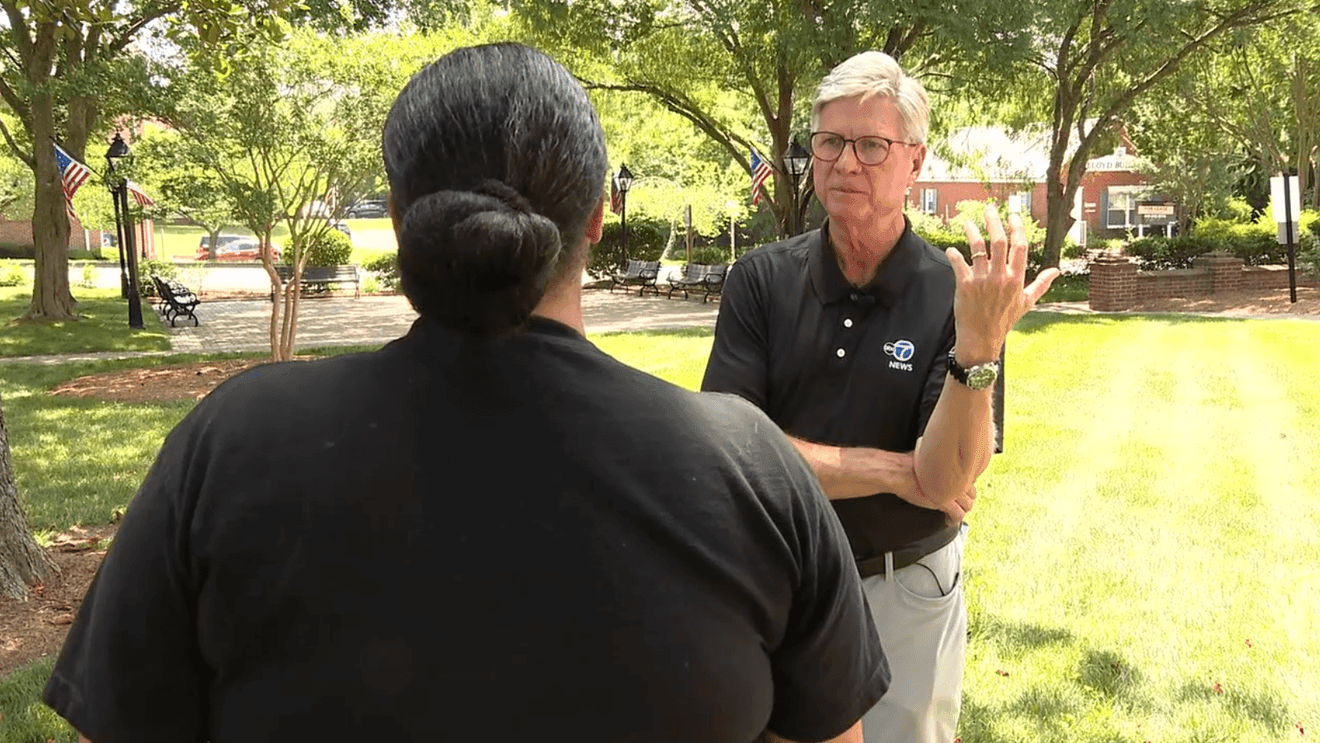
Speaking exclusively to 7News, the victims’ mother said the sentence has compounded the trauma her family already endured.
“I was angry. I was furious. I felt like I had been slapped in the face,” she said. “I felt like everything that we’ve been through and fought for all these months just was a letdown. I believed in the state to faithfully do what was right. And they didn’t. I was let down. I’m hurt.”
The woman’s identity, as well as the identities of the girls, is being withheld to protect the children.
The mother said she is especially troubled because the boy was allowed to return to the same home where some of the abuse occurred and remains in the same community where her family lives. She said the disposition fails both the victims and the offender.
“This kid needs help,” she said. “This kid needs to be in professional hands.”
According to Harvey, prosecutors urged the court to order placement in a secure facility. However, the Maryland Department of Juvenile Services recommended home detention with electronic monitoring, a recommendation ultimately adopted by the judge. Under Maryland’s juvenile justice system, judges have final authority over dispositions but often consider recommendations from the department.
Harvey described the crimes as extraordinarily serious.
“If it were committed by an adult, it would have been a felony,” he told 7News. “It’s a rape by a 13-year-old juvenile offender of two 6-year-old girls.”
The prosecutor also questioned whether the juvenile system has sufficient resources to provide the treatment and supervision needed in such cases.
“They don’t have adequate resources. They don’t have the programs. They don’t have the facilities,” Harvey said. “So when confronted with that lack of resources, the default is send them home. And that’s the wrong answer here.”
The victims’ mother said she is not seeking a life sentence or purely punitive measures. Rather, she believes the boy needs intensive treatment to address the underlying issues that led to the assaults and to prevent future harm.
She also expressed concern that the community is not adequately protected and fears what could happen if the teenager does not receive the counseling and supervision she believes he needs.
The case has reignited debate over how Maryland’s juvenile justice system balances rehabilitation of young offenders with public safety and accountability in cases involving serious violent crimes

 Local Story